Study Finds Avocados and Mangoes May Boost Heart Health in People With Prediabetes
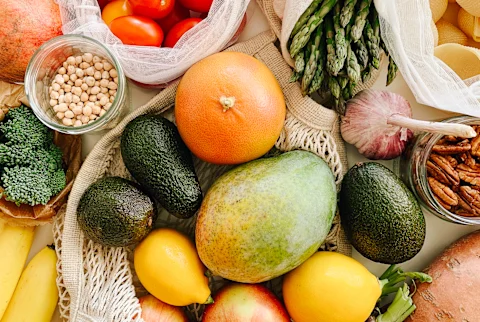
New research in the Journal of the American Heart Association suggests that eating avocados and mangoes daily may improve blood vessel function and support heart health, particularly for people with prediabetes.:max_bytes(150000):strip_icc()/Health-GettyImages-119648466-2e49dafe7c9d4be3b8710b0ccddd0d7d.jpg)
New research suggests that adding avocados and mangoes to the daily diet could help improve important markers linked to heart health, particularly among people living with prediabetes.
Prediabetes, a condition affecting millions of people, increases the risk of developing type 2 diabetes and cardiovascular disease, making early lifestyle changes an important preventive strategy.
Research Explores Simple Dietary Changes
The study was led by Britt Burton-Freeman, a professor at the Illinois Institute of Technology and director of the Center for Nutrition Research.
Researchers wanted to determine whether small, manageable dietary changes could positively influence cardiovascular health markers.
Rather than recommending drastic dietary overhauls, the research focused on whether regular consumption of nutrient-rich fruits could deliver measurable benefits.
How the Study Was Conducted
The eight-week study followed 82 adults diagnosed with prediabetes.
Participants were divided into two groups. One group consumed one cup of mango and one cup of avocado daily, while the control group ate other foods providing the same number of calories.
Both groups received prepared meals, including breakfasts and snacks, with some flexibility to choose additional foods at home.
Improved Blood Vessel Function Observed
Before and after the study period, participants underwent flow-mediated dilation (FMD) testing, a method used to measure how effectively blood vessels relax in response to increased blood flow.
The findings, published in the Journal of the American Heart Association, showed that participants who consumed mango and avocado experienced an average 1% improvement in FMD.
By contrast, the control group recorded a slight decline.
Researchers note that even a 1% increase in FMD has been linked to approximately 13% lower risk of cardiovascular events, including heart attacks and strokes.
Additional Health Benefits Observed
Beyond improved blood vessel function, the study also found that men in the avocado-mango group experienced a slight reduction in diastolic blood pressure after eight weeks.
Meanwhile, blood pressure slightly increased in the control group.
Participants who consumed the fruits also recorded higher intake of dietary fiber, vitamin C, and healthy fats, nutrients widely associated with cardiovascular protection.
Challenging Misconceptions About Fruit
The research also challenges a growing belief that certain fruits may be harmful for metabolic health due to their natural sugar content.
According to nutrition experts, fruits provide essential vitamins, antioxidants, and phytochemicals that support overall health when consumed as part of a balanced diet.
These compounds can help protect the endothelium—the inner lining of blood vessels—which plays a crucial role in regulating blood flow and vascular health.
Study Limitations and Funding
Despite promising findings, researchers caution that the study had several limitations.

It involved a relatively small number of participants and lasted only eight weeks.
Additionally, all participants had prediabetes, meaning the results may not necessarily apply to the wider population.
The study also measured early cardiovascular markers rather than long-term outcomes, such as heart attacks or strokes.
Researchers also disclosed that the study received funding from the Hass Avocado Board and the National Mango Board.
Encouraging Everyday Dietary Variety
Despite these limitations, nutrition experts say the findings highlight the potential value of increasing fruit variety in daily diets.
Both mangoes and avocados contain vitamin C, potassium, fiber, and plant compounds that may contribute to improved cardiovascular health.
Experts suggest that including a wider range of fruits in everyday meals can support better metabolic and heart health over time.