Unleashed Vision: 'Clayface' Director Gets Full Freedom From James Gunn To Reinvent Gotham!
Dive into the DCU's first look at Gotham City with James Watkins' "Clayface," a body horror origin story for villain Matt Hagen. The film, shot with a vintage aesthetic, promises a gritty vision of Gotham and an immersive, squirm-inducing cinema experience for audiences. Discover the dark transformation and the meticulously crafted world when it opens on October 23.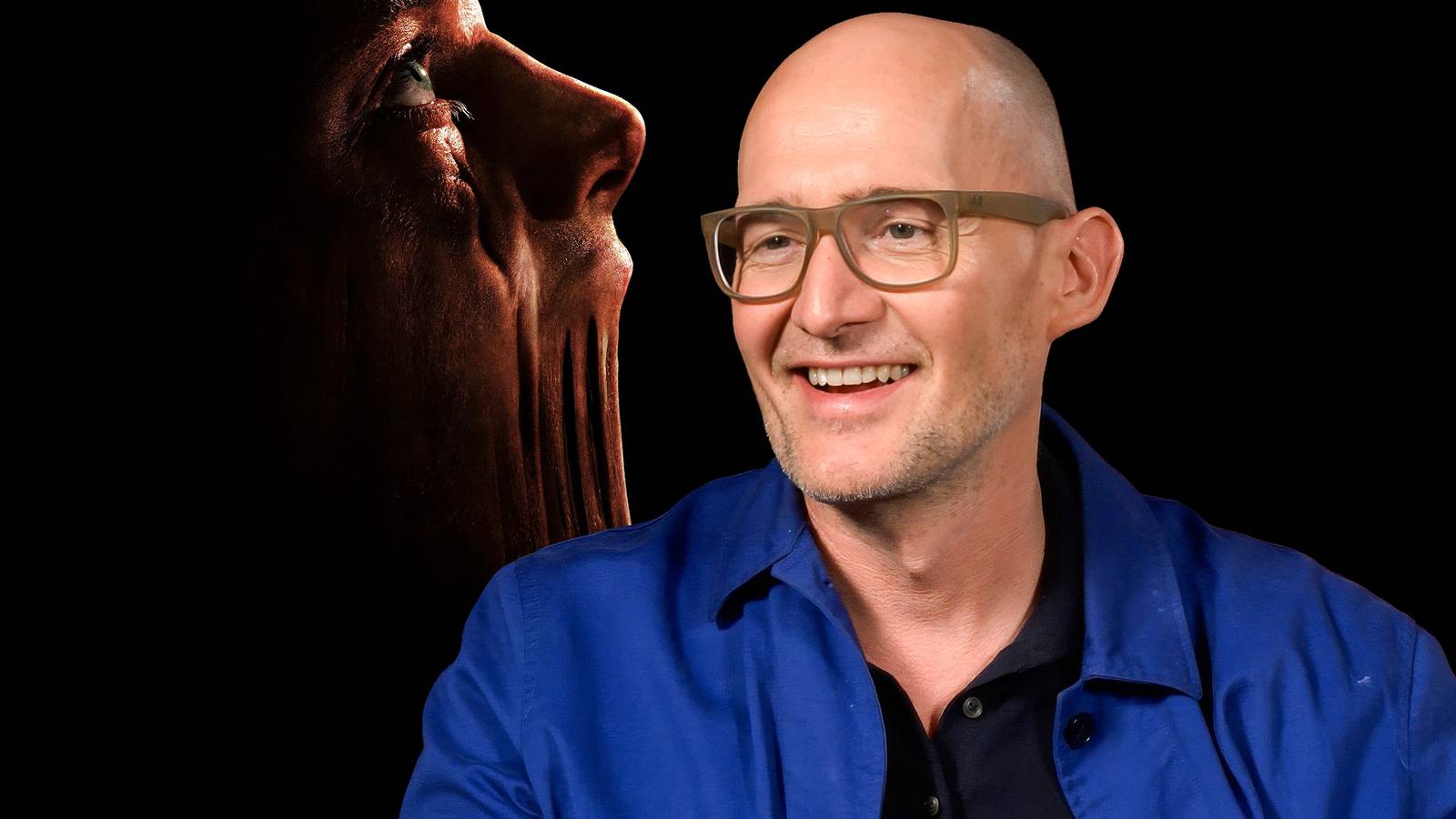
The upcoming film "Clayface" serves as a pivotal entry point into the DC Cinematic Universe, not only presenting an origin story for one of Batman's most infamous villains but also offering audiences their very first look at the DCU's Gotham City. Originally conceived by horror master Mike Flanagan, this body horror narrative was expertly adapted by director James Watkins, known for "Speak No Evil," and screenwriter Hossein Amini, recognized for "Drive." The film delves into the heartbreaking and gruesome transformation of Matt Hagen, marking the first feature in James Gunn and Peter Safran’s cinematic universe to establish its world with "no mandates at all."
The story centers on Matt Hagen, portrayed by relative newcomer Tom Rhys Harries, a leading man in Hollywood who originates from the humble streets of Gotham. After a local crime boss's actions leave Hagen severely disfigured, he undergoes innovative procedures that initially seem to miraculously heal his injuries. However, these procedures instead propel him into a maddening spiral of revenge, culminating in his monstrous transformation into Clayface.
Director James Watkins shared insights into his creative filmmaking decisions, explaining the choice to shoot in a super wide aspect ratio to achieve an epic, old-school feel. The film was shot with 1970 C Series Panavision anamorphic lenses to intentionally remove the digital plasticity common in modern cinema, instead giving it a roughed-up, vintage aesthetic. Watkins cited legendary filmmaker Sergio Leone, particularly "Once Upon a Time in the West," as an inspiration for using wide framing to create separations of spaces and tell stories visually. He also hinted at numerous Easter eggs and hidden details, such as names of places and street signage, meticulously baked into the production design by the brilliant James Price, encouraging viewers to pause and explore the film on repeat viewings.
Watkins elaborated on the design of the DCU's Gotham City, describing it as having a distinct '70s, '80s vibe—dirty and grimy, where trash is visibly uncollected. Importantly, he noted that there were no mandates from James Gunn and Peter Safran regarding Gotham's portrayal, allowing for a fresh, unconstrained vision. He and production designer James Price aimed to depict a corrupted city, which Matt Hagen traverses from a penthouse in the 'Manhattan' equivalent of Gotham, through the impoverished Narrows, and eventually underground. Inspirations for this aesthetic included German Expressionist cinema from the 1930s, where buildings loom over characters making them appear small, and street photography from pre-1980s and '90s New York City. This real-world influence resulted in a grimy yet poetic visual style, characterized by neon lights and their reflections. To ground the film in a tangible reality, much of it was shot in Liverpool, leveraging its rich architecture that historically influenced the development of New York City. This approach aimed to create a real world imbued with a palpable sense of corruption, vividly illustrated by an image of Lady Justice atop the law courts, covered in bird droppings.
The director also discussed the intended audience experience, aiming for a "delicious squirm" that elicits nervous laughter, akin to the thrill of a roller coaster. Watkins believes in the power of the collective cinema experience, where audiences feed off each other's reactions, creating an adrenalized, shared joy that justifies the cost and effort of going to the movies. He emphasized that the true essence of cinema is not merely the size of the screen, but the communal experience with "the animal of the audience."
"Clayface" is set to open in theaters on October 23, promising a unique cinematic journey for DC fans and horror enthusiasts alike.