UK Labour's £2.7bn Heat Pump Push: Warm Homes Plan Sparks Debate, No Gas Boiler Ban
The Labour government is focusing on green technologies rather than insulating homes, launching a warm homes plan with substantial investment. This new approach aims to install solar panels and heat pumps, moving away from old, often ineffective, insulation schemes.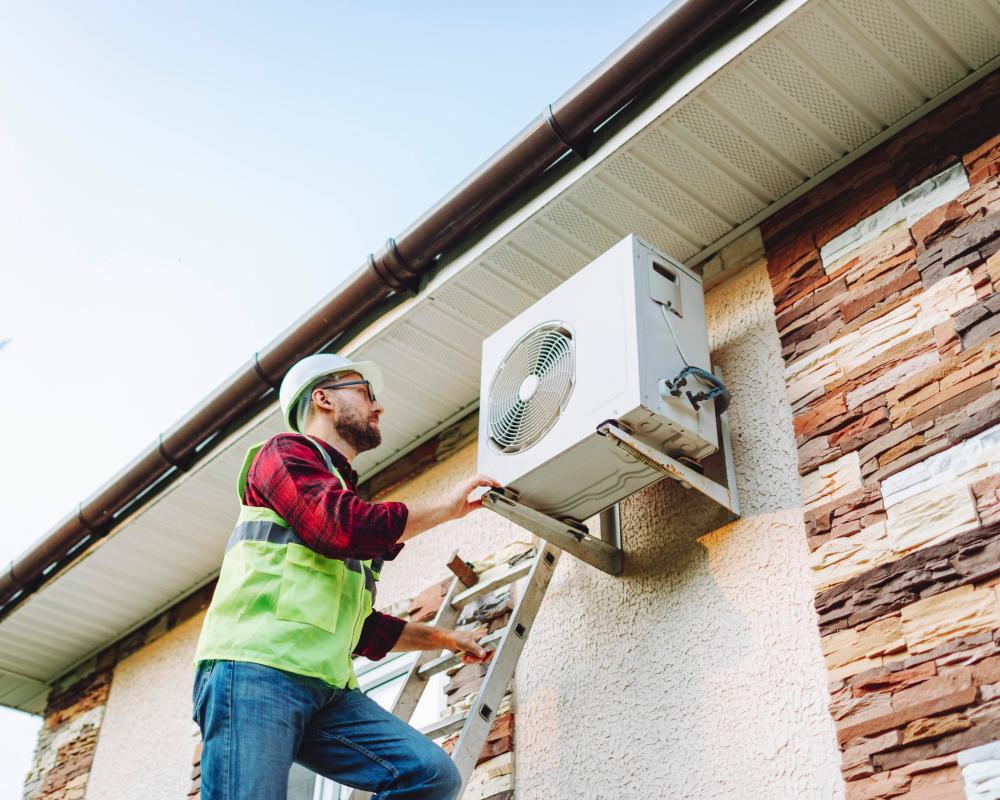
The Labour government has launched its long-awaited warm homes plan, a £17.5 billion initiative aimed at upgrading 5 million UK dwellings and cutting household energy bills. Of the total investment, £15 billion comes from public funding under the new plan, with an additional £2.5 billion already spent through the now-scrapped Energy Company Obligation (ECO) scheme.
This represents the largest public investment in home energy efficiency and low-carbon technology in UK history, signaling a major push toward greener, more sustainable housing.
Shift From Insulation to Low-Carbon Technologies
A key change in the new strategy is the reduced emphasis on insulation as the primary goal of home upgrades. Previous insulation-focused initiatives often struggled due to high costs, poorly executed schemes, and disruptive installation, which discouraged adoption.
The new plan instead prioritizes green technologies such as solar panels, heat pumps, and batteries, removing the requirement for maximum insulation before homeowners can access subsidies for low-carbon upgrades. This approach is designed to simplify adoption and accelerate the transition to sustainable energy.
Core Schemes and Funding Allocations
The £15 billion plan in England is structured around five main schemes:
• £5 billion in grants for low-income households to fund upgrades including insulation, solar panels, batteries, and heat pumps.
• £2 billion in low-cost loans for households that can afford partial funding.
• £2.7 billion for the boiler upgrade scheme, providing £7,500 grants to replace gas boilers with heat pumps.
• £1.1 billion for heat networks, which distribute heat from central low-carbon sources.
• £2.7 billion (text cuts off) likely directed toward additional energy efficiency measures and infrastructure to support low-carbon heating solutions.
By combining grants, loans, and infrastructure investment, the plan seeks to make green home upgrades accessible, affordable, and effective in reducing energy costs and emissions.