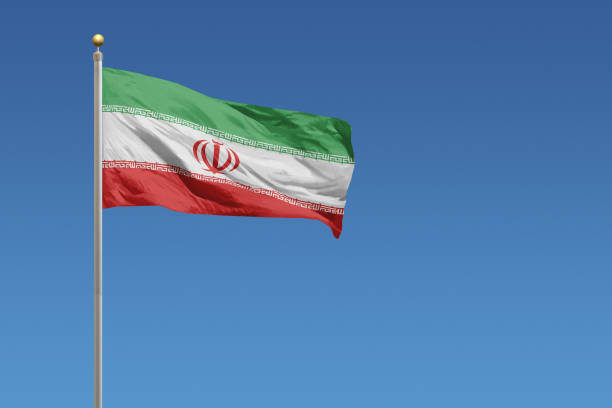
Trump's Fantasy vs. Reality: Iran Deal's Fate Hangs on Erratic Commentary

Peace talks between the United States and Iran, mediated by Pakistan in Islamabad, have been significantly hampered by a combination of Donald Trump’s aggressive diplomatic style and the ongoing US naval blockade of Iranian ports. Despite private assurances about Trump’s true intentions, Tehran finds it impossible to ignore his frequent and often contradictory public statements, which include threats and hubristic commentary casually dismissing Iran. This erratic approach has become a substantial impediment to finding a solution, particularly as a fragile US-Iran ceasefire nears its expiration.
Iranian officials have vehemently rejected negotiating under duress. Mohammad Bagher Ghalibaf, Iran’s chief negotiator, warned that the US president’s actions – imposing a siege and violating the ceasefire – are an attempt to force a surrender or justify renewed conflict. He emphasized Iran’s preparedness to deploy “new cards on the battlefield” rather than yield to threats. Iran’s ambassador to Pakistan, Reza Amiri Moghadam, echoed this sentiment, stating that a country with a large civilization would not negotiate under force, drawing a parallel to Jane Austen's famous line.
Both the US and Iranian leadership face domestic pressures that influence their negotiating positions. Trump must manage his political base and the stock market, while Iran’s leaders need to reassure their domestic constituency by resisting claims of Iranian humiliation or desperation. This dynamic was evident when Trump responded to an Iranian foreign minister’s tweet about lifting Strait of Hormuz restrictions by hailing Iran’s defeat, instead of reciprocating with a lifted blockade as Iran had expected. Trump publicly asserted that Iran “desperately” wanted the strait open and had “agreed to everything,” including never closing it again.
However, Iran swiftly countered by closing the Strait of Hormuz, underscoring Trump’s recurring misjudgment of Iranian resolve. The US president’s remarks were a string of bewildering contradictions, including thanking Iran for the closure, threatening the country, blaming and praising China, declaring the blockade a success, confirming Iran restocked through the blockade, promising both a deal and bombs. An Iranian diplomatic outpost described Trump as a “one-man WhatsApp chat group” due to this erratic communication.
Further complicating matters, Vice-President JD Vance’s planned trip to Islamabad for a second round of negotiations was postponed due to Iran’s failure to confirm its participation. This diplomatic limbo arose just as the two-week ceasefire was set to expire, threatening to plunge the US and Iran back into active conflict. Trump had reportedly told advisers he would not extend the ceasefire until Iran reopened the Strait of Hormuz, while Iranian officials maintained they would not engage in new talks until the US ended its port blockade.
Publicly, Trump reiterated his intention not to extend the ceasefire and stated, “I expect to be bombing because I think that’s a better attitude to go in with.” He added that the military was “raring to go” and that there was not
You may also like...
Season Over: Nottingham Forest Star Callum Hudson-Odoi Suffers Devastating Injury

Nottingham Forest winger Callum Hudson-Odoi will miss the rest of the season after undergoing successful surgery on his ...
Key Players Cole Palmer, João Pedro Sidelined for Chelsea-Brighton Clash
Chelsea manager Liam Rosenior confirmed that key players Cole Palmer and João Pedro missed the Premier League game again...
Reese Witherspoon Takes Stand Against AI, Addresses Backlash Head-On

Reese Witherspoon sparked debate by advocating for women's engagement in AI, highlighting job automation risks, then cla...
Michael Jackson Biopic Sparks Buzz: Reviews and Family Reactions Pour In

The Michael biopic by Antoine Fuqua details the life of Michael Jackson, with Jaafar Jackson in the lead role, though Ja...
Zimbabwe's Chivayo in Shocking $3.6M Parliament Pledge Reversal
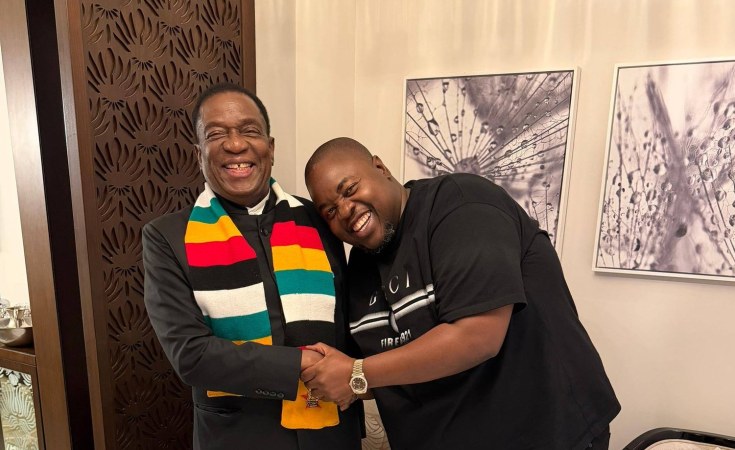
Controversial businessman Wicknel Chivayo has retracted his US$3.6 million pledge to Parliament, replacing it with a rev...
South African Parliament Honors Legendary Cultural Icon Cynthia Shange in Moving Tribute

South African Parliament pays tribute to Ms Cynthia Shange, a multi-award-winning actress and cultural pioneer. Her hist...
Ethiopia's Tourism Boom: Stunning New Eco-Lodge Beckons Global Travelers!

Ethiopia is enhancing its tourism sector with the opening of Haro Dandi Lodge, a sustainable development part of the "Di...
Proflight Zambia Launches Game-Changing Route to Botswana's Untamed Wilderness!

Proflight Zambia is launching a new three-city air service connecting Lusaka, Livingstone, and Maun from May 2, 2026. Th...