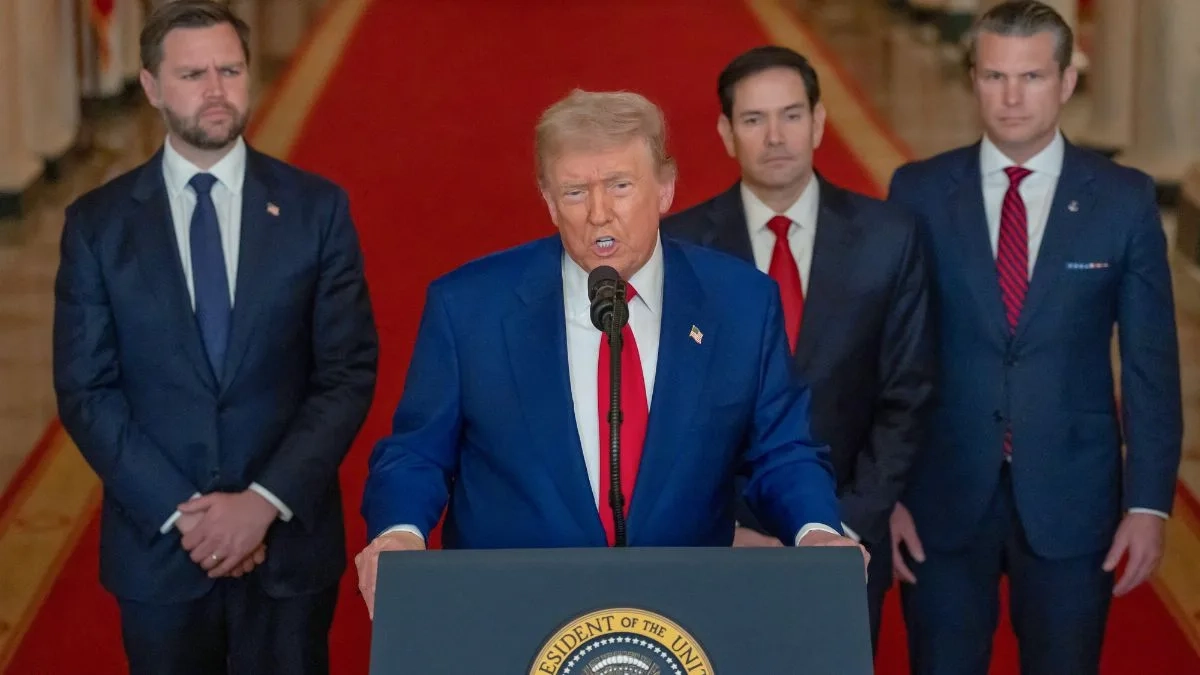
Trump Issues Dire Warning: Iran Ceasefire on Brink, 'Lots of Bombs' If No Deal

An uneasy two-week ceasefire between Iran, Israel, and the United States is rapidly approaching its expiration, set for 0000 GMT Wednesday (8 p.m. ET Tuesday) or "Wednesday evening Washington time." This truce, which began on April 8 following prior threats by U.S. President Donald Trump, faces significant challenges with little prospect of extension. Despite the ceasefire, the situation remains volatile, marked by reported Iranian attacks targeting Gulf Arab states, Israel, and an oil refinery, alongside U.S. forces attacking and boarding an Iranian vessel attempting to evade an American naval blockade in the Strait of Hormuz.
The possibility of new diplomatic talks in Islamabad, Pakistan, looms, with authorities making preparations for another round of negotiations. U.S. Vice President JD Vance is expected to return to Islamabad alongside envoys Steve Witkoff and Jared Kushner. However, neither Iran nor the U.S. has yet sent a delegation to Pakistan. Previous high-level talks involving Vance in Islamabad from April 11-12 concluded without an agreement. Iran's semi-official Tasnim news agency has reported that Tehran's position on missing negotiations remains unchanged, citing the U.S. naval blockade and Washington's demands as "fundamental obstacles to peace." The Iranian delegation believes that without a "realistic" approach from America, negotiations are merely a "waste of time."
A central point of contention in any potential discussions is the Strait of Hormuz, the critical choke point of the Persian Gulf through which 20% of the world's natural gas and oil passes. The strait remains effectively closed due to Iranian attacks and concerns that Iran may have mined portions of the waterway. Iran is reportedly leveraging this by charging vessels as much as $2 million for passage. The opening of the strait is a key focus for negotiations and represents Tehran's strongest leverage against Washington, particularly as countries globally face energy rationing and warnings of jet fuel shortages.
Another crucial issue is Iran's nuclear program. All of Iran's highly enriched uranium is reportedly still within the country, possibly at enrichment sites previously bombed by the U.S. during a 12-day conflict last June. While Iran maintains it has the right to enrich for peaceful purposes and denies seeking nuclear weapons, President Trump and Israel have demanded the complete dismantlement of Iran's nuclear program and the surrender of its stockpile, a proposal Iran rejected in its 10-point plan for ending the war. Trump's non-negotiable demand is explicitly: "Get rid of their nuclear weapons. That’s all very simple. There will be no nuclear weapon."
President Trump has publicly stated that an extension of the ceasefire is "highly unlikely" and warned that "lots of bombs start going off" if a deal is not reached. He emphasized his refusal to be "rushed into making a bad deal," asserting, "We’ve got all the time in the world." Trump also utilized Truth Social to declare he is "winning a War, BY A LOT," and that any deal made under his administration would be "FAR BETTER than the JCPOA," the 2015 Iran Nuclear Deal. He believes such a deal would "guarantee Peace, Security, and Safety" globally and denies being under any pressure, expecting a resolution "relatively quickly." Furthermore, he expressed willingness to meet Iranian leadership if they desire. Separately, peace talks between Israel and Lebanon are scheduled to resume in Washington, with Lebanon's president clarifying that these negotiations are distinct from any discussions involving Iran.
You may also like...
Who Spoke Too Soon? Inside the $75M Flutterwave Investment That Never Was

A $75M investment, a planned IPO, and a deleted tweet — how the Flutterwave deal story rose fast and fell apart even fas...
Warriors rocked: Draymond Green predicts Steve Kerr's shock exit amid summer uncertainty

The Golden State Warriors concluded a tumultuous 2025 season, marked by Stephen Curry's injury struggles and an early pl...
2026 NBA Draft Order Crystallizes: Picks and Ties Broken

With the 2026 NBA playoffs ongoing, lottery-bound teams are gearing up for the May 10 draft lottery, which will determin...
From Game to Giant Screen: Alex Garland's 'Elden Ring' Movie Reveals All-Star Cast, Epic 2028 IMAX Date!

Alex Garland's live-action "Elden Ring" movie is slated for a March 3, 2028 IMAX release, featuring a star-studded cast ...
Witches Unite! 'Practical Magic 2' Trailer Drops, Reuniting Bullock & Kidman for Magical Sequel

Nicole Kidman and Sandra Bullock return as the Owens sisters in "Practical Magic 2," set to enchant audiences on Septemb...
Madonna Rages! Vintage Costumes Stolen After Coachella, Declares 'Part of My History'

Pop icon Madonna's surprise Coachella performance with Sabrina Carpenter was a triumphant return, but it was overshadowe...
Fela Kuti's Legacy Secured! Family Confirms Iconic Music Catalogue Not For Sale

Grammy-nominated Femi Kuti has clarified that the musical works of his late father, Afrobeat pioneer Fela Anikulapo-Kuti...
Exclusive: Bong Joon Ho's Next Seven Live-Action Visions Revealed
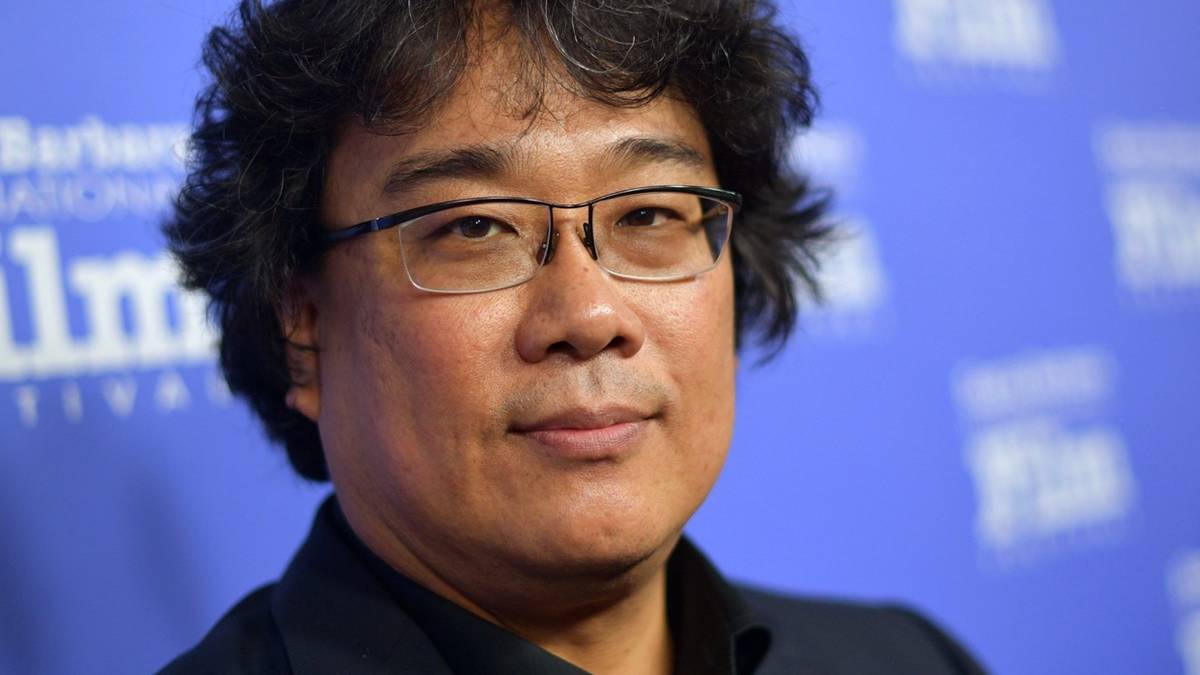
Oscar-winning filmmaker Bong Joon Ho shares comprehensive updates on his animated feature "Ally," a 3D ocean adventure a...