Athletics SA Calls for Safer Spaces After Runner Elizabeth Moselakgomo’s Death
Athletics South Africa (ASA) is demanding safer spaces for women following the tragic death of Kempton Park runner Elizabeth “Tsontso” Mokolo Moselakgomo. Her disappearance and subsequent identification highlight the critical vulnerability women face during everyday activities like exercise. ASA extends condolences and calls for justice and enhanced safety in sports.
For Elizabeth “Tsontso” Mokolo Moselakgomo, going out for a run on September 9 ended in tragedy.
The 38-year-old Kempton Park runner did not return home after leaving for an afternoon run. Her body was found three days later and was positively identified by her family at the Germiston mortuary on Monday. Police are now investigating her death alongside several other cases involving women found dead in the Kempton Park and surrounding areas.
The circumstances have shaken South Africa’s athletics community and prompted Athletics South Africa (ASA) to call for safer spaces for women to run, walk and exercise.
A run that ended in tragedy
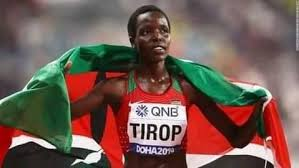
Moselakgomo was a mother and an active member of the running community.
Her disappearance quickly drew attention after she failed to return home. Her eight-year-old daughter raised the alarm, prompting family members to contact police.
After her body was identified, Acting Athletics South Africa CEO Terrence Magogodela said the federation was deeply saddened by her death and extended its condolences to her family.
ASA said the circumstances surrounding her death showed the vulnerability women can face while simply taking part in sport and exercise.
The federation called for women to be able torun, walk and participate in sport safely and with dignity.
Police are investigating several deaths
Moselakgomo’s case is unfolding alongside a wider investigation in the area.
Police are examining the deaths of several women whose bodies have been found around Kempton Park and Olifantsfontein over recent months. A multidisciplinary team has been assembled to establish what happened in each case and determine if there are any links.
Police have not said that the deaths are connected.
One suspect is already in custody in connection with the first body found in July, while detectives continue to examine evidence from the separate cases.
That uncertainty makes it important to separate what investigators know from the fears spreading through affected communities.
What Moselakgomo’s death has raised
For runners, the incident has brought an uncomfortable reality into focus.
Running is an ordinary part of life for many people. It happens on familiar roads, around neighbourhoods and in parks, often alone and without much thought about what could happen along the way.
For women, that freedom can come with another calculation: Is this route safe? What time should I go? Should I tell someone where I am?
Those calculations should not have to be part of taking a run.
ASA's response reflects that concern, but the responsibility extends beyond the athletics federation. Safer public spaces require action from police, local authorities, communities and those responsible for maintaining roads, lighting and public areas.
Moselakgomo's death has also left a family dealing with a loss that began with something as ordinary as a woman going out for a run.

For the athletics community, the hope now is that the investigation will establish what happened to her and that the wider concerns around the safety of women in the area receive the attention they deserve.