Toxic Legacy Haunts Calverton: Grumman Site Faces Superfund Battle and Environmental Crisis
The former Grumman plant in Calverton is under new scrutiny as Suffolk County expands its probe into groundwater contamination, while the Navy seeks insights from former employees to aid cleanup efforts. Simultaneously, abandoned buildings on the site are proposed for redevelopment into a cannabis cultivation facility, navigating strict environmental regulations in the Central Pine Barrens.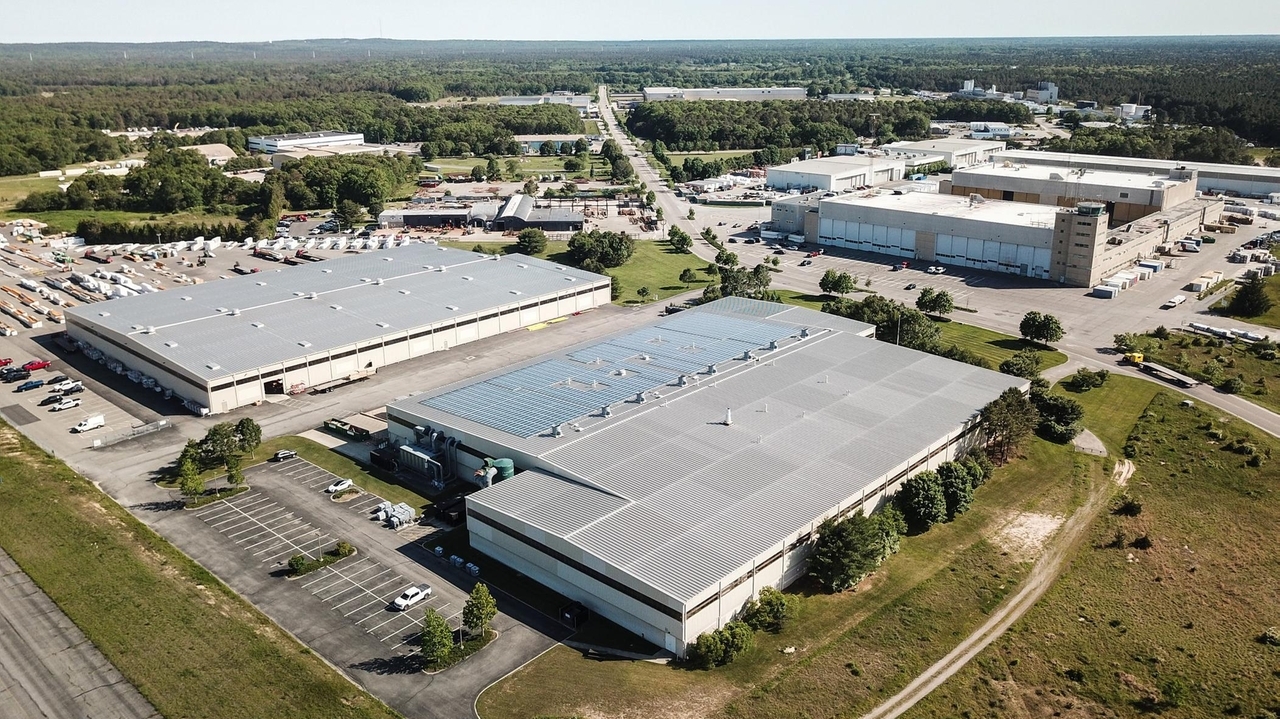
The former Grumman plant in Calverton, a sprawling 6,000-acre site where the U.S. Navy assembled and tested fighter jets from 1954 to 1996, continues to be a focal point for environmental concerns and new development proposals. Decades after its closure, the legacy of contamination, primarily groundwater pollution, necessitates ongoing investigations by local authorities and the Navy, while simultaneously, abandoned sections of the property are eyed for commercial redevelopment, presenting a complex interplay of environmental stewardship and economic revitalization.
In a significant move to address groundwater contamination, Suffolk County has launched a new probe, heeding calls from activists concerned about the plume threatening private drinking wells. Led by the county's Department of Health Services, this survey will focus on approximately 160 properties using private wells within a three-mile radius of the contaminated areas. This effort expands upon previous, more limited testing conducted by the Navy, which sampled wells within a one-mile radius. Private wells are deemed more susceptible to contamination due to their shallower depth and less frequent testing compared to public supply wells. Contaminants such as firefighting foams, fuels, and solvents, used and disposed of at the facility, are suspected sources of pollution, including perfluoroalkyl and polyfluoroalkyl chemicals (PFAS), often dubbed ‘forever’ chemicals due to their environmental persistence. These substances have been linked by the Environmental Protection Agency to serious health concerns, including developmental delays, decreased fertility, hormonal deficiencies, and various cancers. Suffolk County Executive Edward P. Romaine emphasized that he ordered the testing to gain a "complete picture environmentally of what's going on," anticipating public release of results by August.
The environmental impact extends beyond groundwater, notably affecting the Peconic River. State warnings advise against consuming fish, specifically yellow perch and largemouth bass, caught from parts of Peconic Lake and the Peconic River due to high levels of PFAS. This broader concern has intensified calls from environmental advocates, such as Adrienne Esposito of Citizens Campaign for the Environment, for more extensive testing to accurately map the contaminated plume's depth, width, and length. Previous Navy testing of 30 wells found PFAS detections in 17, though none met the Department of Defense's cleanup trigger of 12 parts per trillion, a standard lower than New York's 10 ppt and the Biden administration's 4 ppt federal limit, which has seen its compliance deadline extended to 2031.
In parallel with groundwater investigations, the U.S. Navy has initiated an outreach effort to connect with former Grumman employees and their families, seeking firsthand knowledge of past operations at the Calverton facility between 1954 and 1996. This vital information, particularly concerning waste management, building usage, grounds maintenance, and aircraft fabrication, is expected to provide "insight" into chemical use and release, thereby supporting ongoing environmental cleanup efforts. Community members, including Ray Kreiger, have long advocated for these interviews, recognizing that the detailed experiences of former workers are crucial missing pieces in understanding the full scope of the contamination. This initiative complements the Navy’s comprehensive investigation into the plume, which last year saw the county health department's Bureau of Groundwater Investigation and Management installing and sampling test wells in four key areas, including near public wells owned by the Riverhead Water District, to guide preventive action.
Despite calls from various officials, residents, and environmental advocates for the property to be declared a Superfund site, which could accelerate cleanup, federal and state agencies indicate that cleanup falls under the federal Resource Conservation and Recovery Act (RCRA). Meanwhile, tangible relief for some residents is underway, with the Suffolk County Water Authority nearing completion of a $9.5 million project to connect 64 homes in the area, including Kreiger’s, to public water mains. This project, which involved laying four miles of new water mains and was funded by grants secured by the Town of Riverhead, offers residents peace of mind regarding their drinking water.
Adding another layer to the Calverton site's future, Signature Partners, a Manhattan commercial real estate firm, has acquired 20 acres on the south side of Grumman Boulevard, encompassing three abandoned office buildings vacant since 1996. The firm proposes to redevelop these structures into an indoor cannabis cultivation facility. This proposal faces a significant hurdle as the property is situated within the Central Pine Barrens Core Preservation Area, an environmentally sensitive zone where new development is generally restricted to protect the environment and groundwater. Signature Partners is seeking a hardship waiver, arguing for "adaptive reuse" rather than new development, aiming for a "restoration type of project" that would involve interior renovations, parking lot resurfacing, landscaping, and utility upgrades, while preserving ten wooded acres. Some of the buildings, dating from 1960 to 1988, are in disrepair, with two potentially requiring total demolition due to mold, lead paint, and asbestos.
The company, which emphasizes it is not directly involved in cannabis production or sales, seeks to provide a suitable facility for state-licensed cannabis growers, specifically those certified for Tiers 2 and 3 operations (5,000 to 25,000 square feet). This innovative proposal requires careful consideration from the Central Pine Barrens Commission, particularly regarding the hardship waiver criteria and whether the intensified use aligns with the region's protective land use plan. Additionally, Riverhead Town site plan approval will be necessary. If approved, Signature Partners anticipates the project will restore the long-abandoned property and create a significant employer and taxpayer for the community, demonstrating a potential path for repurposing the industrial legacy of the Grumman site for new economic ventures, while navigating stringent environmental protections.