Tinubu’s Absence from Peace Accord Draws Criticism from SDP’s Adebayo
Prince Adewole Adebayo of the SDP criticized President Bola Tinubu for his absence at an electoral peace accord signing, warning it sends a troubling signal about commitment to peaceful 2027 elections. Adebayo dismissed excuses, stressing that democratic continuity is a vital national-security responsibility. He urged Tinubu to explain his absence and publicly reaffirm his dedication to the electoral process.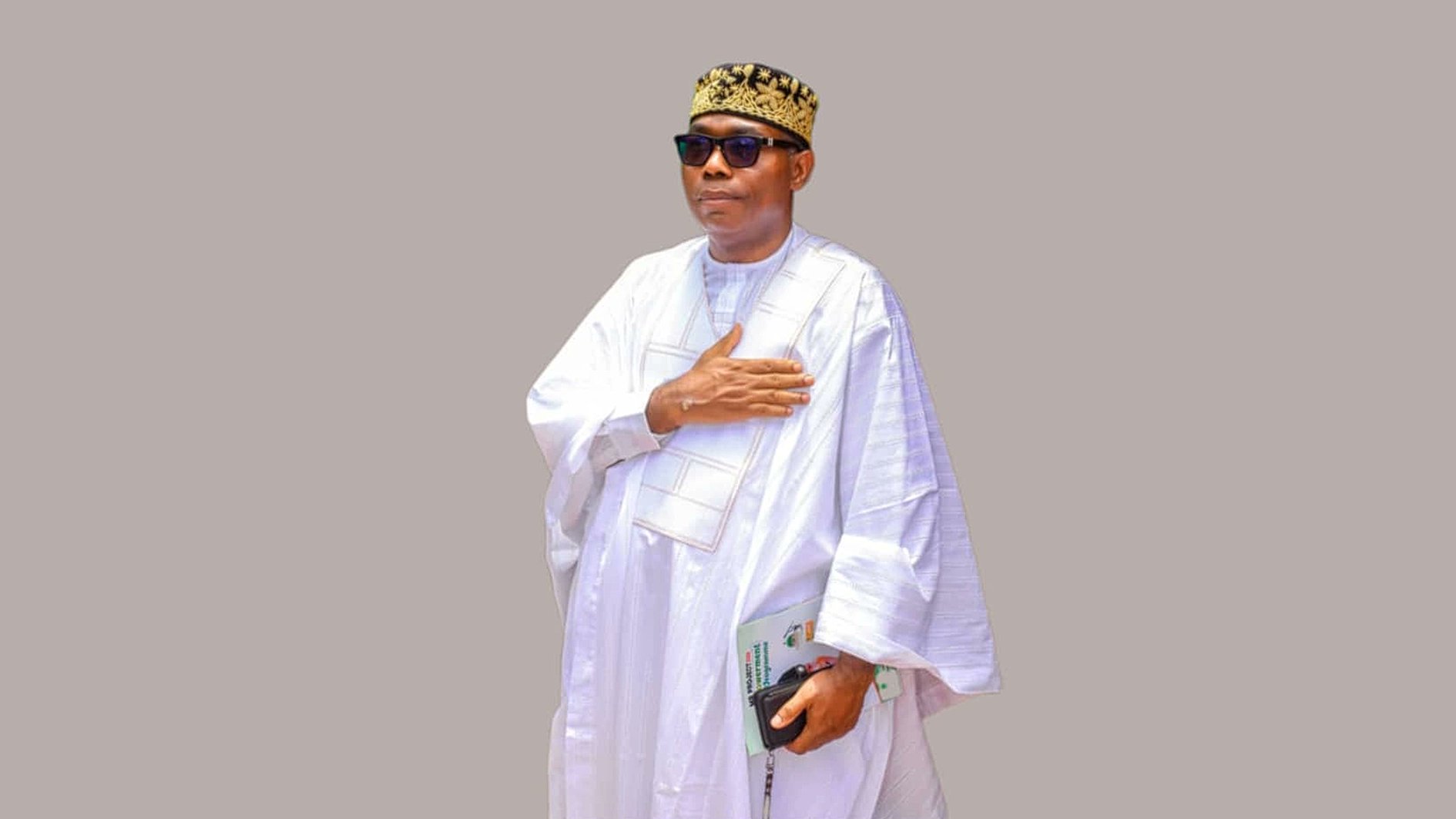
Social Democratic Party (SDP) presidential candidate Adewole Adebayohas criticised President Bola Tinubu over his absence from the signing of an electoral peace accord, arguing that the decision sends the wrong signal ahead of the 2027 general elections.
Adebayo said the President, as Nigeria’s highest political authority and a beneficiary of the electoral system, had a responsibility to personally demonstrate his commitment to peaceful, free and credible elections.
He maintained that Tinubu’s presence would have reassured political parties, candidates, security agencies and voters that the Federal Government was serious about preventing electoral violence and protecting the integrity of the vote.
Adebayo argued that the President’s absence could influence how government officials and security personnel interpret the administration’s commitment to electoral peace. He rejected the suggestion that competing national-security responsibilities should have prevented Tinubu from attending, insisting that democratic continuity is itself a national-security priority.
According to Adebayo, the electoral process is the foundation of legitimate government and the same process that produced Tinubu as President, making his personal participation in efforts to protect it particularly important.
The SDP candidate urged Tinubu to explain his absence and publicly reaffirm his commitment to a peaceful electoral process to prevent negative perceptions from taking root. He claimed that the accord had been scheduled with the President’s availability in mind and described his failure to attend as more than a legal issue, framing it as a question of political and moral leadership.
Adebayo ultimately argued that political leaders must demonstrate through their actions the same commitment to peace, democracy and electoral credibility that they expect from their supporters.