Tinubu's Independence Day Speech & Economic Promises Under Intense Scrutiny
Nigeria's Independence Day address by President Bola Tinubu sparked debate, with the President defending his economic reforms as necessary treatment for a distressed economy. Critics like Dele Momodu and Prof. Okey Ikechukwu, however, condemned the speech and policies, citing worsening conditions, failed reforms, and historical factors eroding national unity. The national dialogue highlights significant concerns over the country's economic trajectory and social cohesion under the current administration.
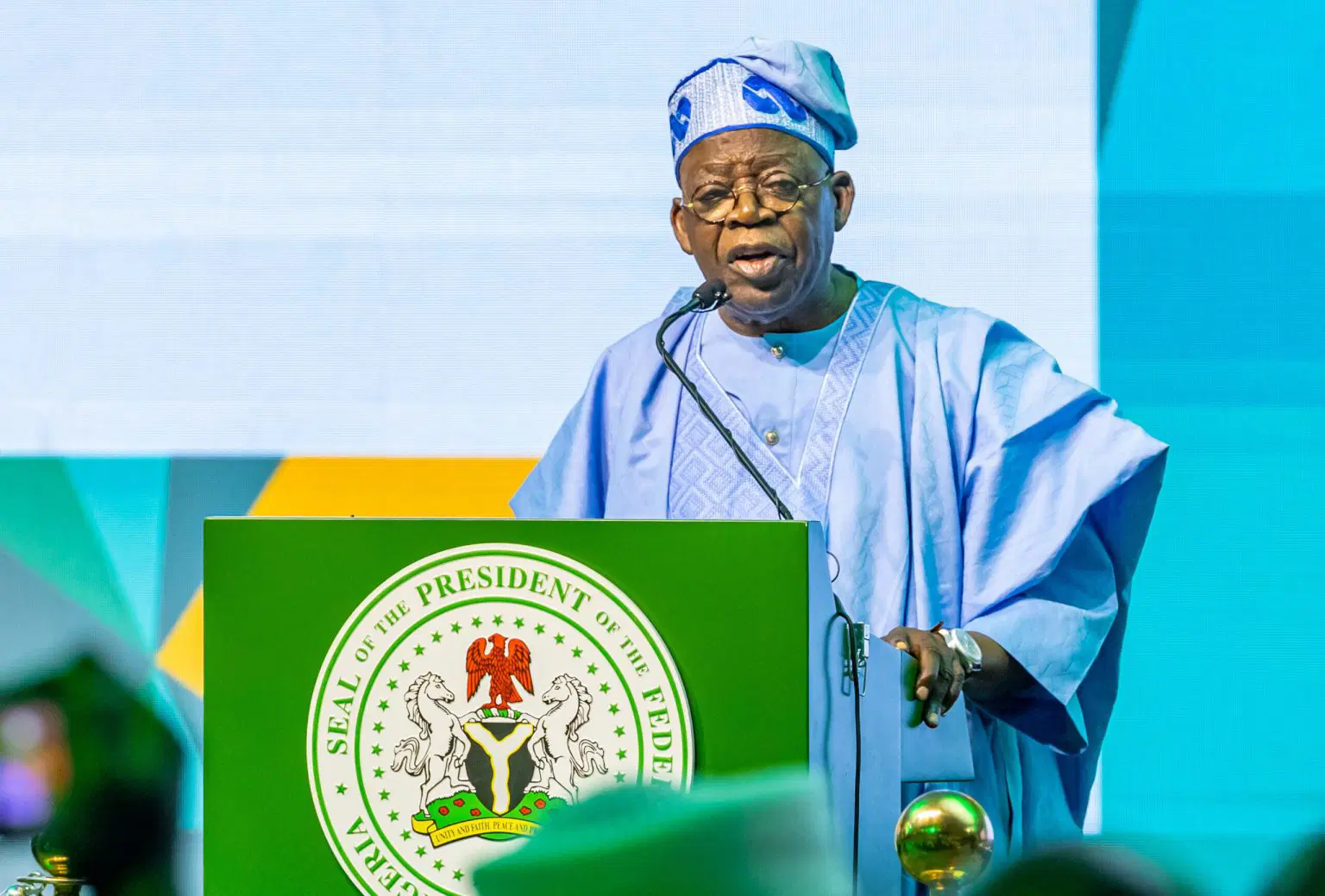
President Bola Tinubu's Independence Day address, marking Nigeria's 66th anniversary, ignited a national conversation, drawing both defense from his administration and sharp criticism from prominent figures regarding the country's economic direction and national unity.
While the President acknowledged the widespread hardship stemming from his administration's economic reforms, he asserted that these painful measures were necessary to correct decades of accumulated problems and set Nigeria on a path to prosperity.
In his speech, titled "From Reform to Prosperity," President Tinubu articulated that his administration inherited a deeply distressed economy, necessitating difficult decisions to rectify long-standing distortions.
He employed the analogy of Nigeria as a cancer patient who, for too long, survived on painkillers (referring to past governments' reliance on temporary measures like fuel subsidies) while the disease spread.
His administration, he argued, chose to confront and "excise the cancer," opting for painful but curative treatment over temporary relief.
Tinubu contended that the "emergency treatment" was now over, and Nigeria had entered an "age of prosperity," with the foundations of the economy repaired.
He pointed to measurable improvements, including over 4% economic growth, reduced oil theft, a stabilized foreign exchange market, rebuilt foreign reserves, and a historic high of over $6 billion in non-oil exports in 2025, which he claimed demonstrated Nigeria's improved economic outlook and attracted international attention.
The President outlined the next phase of his administration's focus: lowering the cost of living, expanding production, creating jobs, and increasing opportunities.
He defined prosperity not by abstract numbers but by tangible improvements for farmers, businesses, and households through measures like mechanised irrigation, dry-season farming, and investments in infrastructure to reduce production and transportation costs.
Acknowledging the immediate struggles of millions, Tinubu stated that the hardship predated his government and was a cumulative consequence of decades of low productivity and institutional shortcomings.
He affirmed a commitment to strengthening social protection programs like the National Social Register, education loan funds (NELFUND), and consumer credit schemes (CREDICORP) to provide a "bridge" to prosperity, asserting that the goal was not to manage poverty but to defeat it.
He urged Nigerians not to abandon the reforms, likening the journey to passing through a "Red Sea" and stressing that this was not the time to look back.
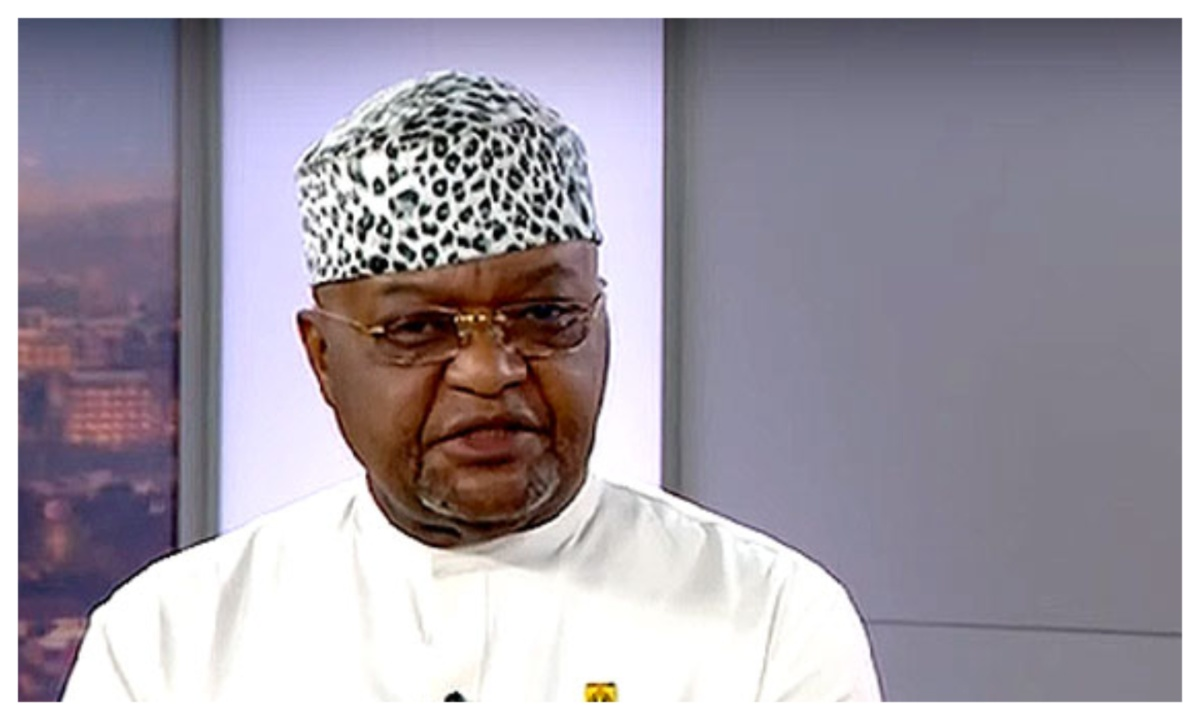
However, President Tinubu's address met with strong disapproval from figures such as Dele Momodu, publisher of Ovation magazine and chieftain of the African Democratic Congress (ADC).
Momodu criticized the broadcast for turning a day of celebration into a "day of lamentation," arguing that Nigeria had worsened under Tinubu's administration.
He specifically challenged the President's cancer analogy, contending that Nigeria was, at most, at stage two cancer when Tinubu took office and should have been stabilized rather than allowed to "metastasise into stage four cancer."
Momodu labeled the removal of fuel subsidy on Tinubu's first day as a "monumental disaster," claiming it was implemented without sufficient assessment and had sent Nigeria into an "instant coma" from which the administration had failed to revive it.
He expressed an expectation for the President to apologize for this "misadventure" and highlighted other escalating challenges, including insecurity, poverty, rising debt, and government profligacy, which he believed had collapsed "renewed hope" into "hopelessness and abject despair."
Momodu further suggested that Nigerians had become disillusioned with government promises and were unlikely to accept "endless excuses" as the 2027 elections drew near.
While conceding that four years might not suffice to solve all national problems, he stressed the importance of visible signs of progress, which he found lacking.

His sentiments underscored a deep concern that the administration's policies were exacerbating rather than alleviating the populace's suffering.
Echoing some of these concerns, Prof. Okey Ikechukwu, Executive Director of Development Specs Academy, described Tinubu's speech as "not a good speech," questioning whether the administration's economic reforms were truly structured to deliver the promised prosperity.
While acknowledging the government's good intentions behind the reforms, Ikechukwu emphasized the need for closer attention to their impact on citizens and the implementation of practical measures to reduce hardship.
He argued that those focusing solely on the necessity of reforms were missing the point that government must actively ameliorate the pain caused by these policies for them to genuinely lead to prosperity.
Ikechukwu also criticized aspects of government communication, noting that conflicting or aggressive public messaging from various officials undermined confidence in the administration's policies, despite the Minister of Information being a "sense-sounding and sober-talking communicator."
Prof. Ikechukwu further provided a historical perspective on Nigeria's national unity, tracing current divisions to the disruption of the regional system by military interventions post-independence.
He painted a picture of a pre-1966 Nigeria characterized by thriving, competitive regions with their own constitutions and economies, strong leadership recruitment, and a degree of inter-ethnic harmony where individuals could win elections outside their ethnic strongholds.
He contrasted this with the aftermath of the "reprehensible intervention" of the 1966 coup, which he described as unstructured and damaging to the economy and national unity.
The creation of states, according to Ikechukwu, further weakened Nigeria's leadership structure, leading to a proliferation of administrative personnel without commensurate improvements in education outcomes or governance, often resulting in corruption and "overseas distribution and consumption."
This process, combined with the rise of "indigene-ship" over national citizenship, has deepened divisions and eroded the "quote-unquote united Nigeria we used to know."
He argued that effective national unity requires concrete government *actions* that demonstrate equity and reassurance, rather than just policies, citing the "massive ethnocentric and religious leaning" in past government appointments (referring to the Buhari administration) and accusations of "urbanisation" in the current one.
Ikechukwu stressed that the constitution already contains sufficient prohibitions for equity, implying a failure of principled leadership at all levels, including state governments.
In conclusion, the Independence Day reflections brought to light a nation at a critical juncture, grappling with the profound impact of economic reforms and deep-seated issues of national unity.
While President Tinubu articulated a vision of a "Promised Land" of abundance and opportunity, critics like Dele Momodu and Prof. Okey Ikechukwu underscored the immediate hardships, questioned the efficacy of current policies, and highlighted the historical complexities contributing to Nigeria's contemporary challenges.
Their combined perspectives suggest a pressing need for the administration to bridge the gap between its stated intentions and the lived realities of Nigerians, demonstrating tangible progress and fostering inclusive, principled leadership to rebuild trust and achieve genuine, widespread prosperity and unity.