Timeless Impact: 'Saving Private Ryan' Revolutionized WWII Classics for a Quarter Century
"Band of Brothers" and "Saving Private Ryan" are intrinsically linked, with the miniseries drawing heavily from the film's groundbreaking approach to World War II storytelling. Actor Richard Speight Jr. explains how "Saving Private Ryan" redefined war cinema with its brutal realism, paving the way for more honest and visceral depictions of conflict in subsequent productions like "Band of Brothers."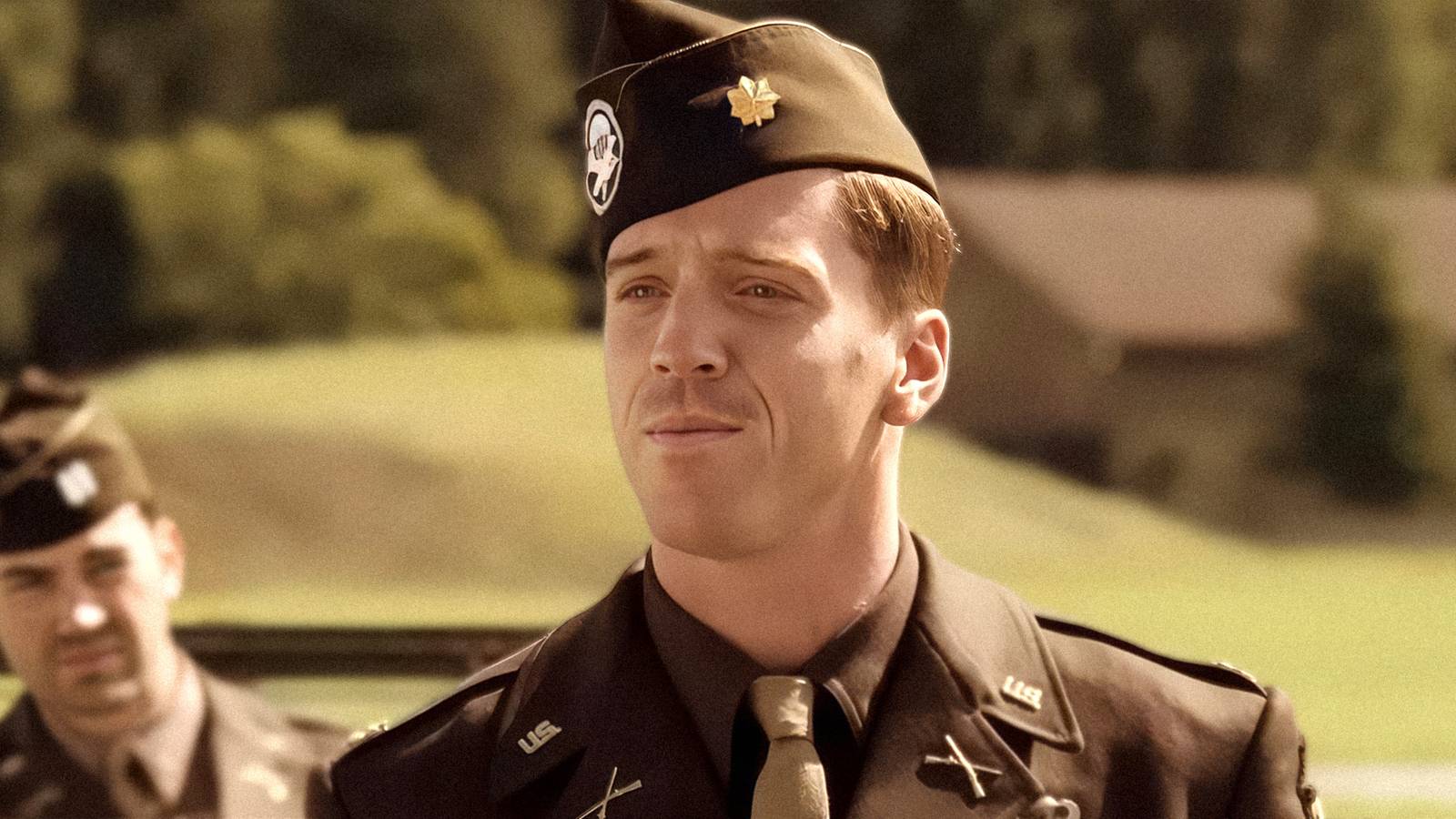
The acclaimed World War II narratives, "Band of Brothers" and "Saving Private Ryan," are fundamentally intertwined due to their shared Emmy and Oscar recognition, inspiration from Stephen E. Ambrose's historical writings, and the creative contributions of Tom Hanks and Steven Spielberg. The HBO miniseries, "Band of Brothers," directly inherited its distinct visual style and several crew members from Spielberg's landmark film. Despite their unique story trajectories, both productions delve into similar pivotal moments of the war, such as D-Day, and explore profound themes of brotherhood and sacrifice among soldiers.
Richard Speight Jr., known for his role as Sgt. Warren "Skip" Muck in "Band of Brothers," offers a deeper insight into this connection. He argues that "Saving Private Ryan" reignited public enthusiasm for World War II stories on the big screen. The film's innovative, documentary-inspired approach to depicting battles and critical mission sequences, particularly those involving Captain Miller (Hanks) and his team, proved to be groundbreaking. This style subsequently influenced an entire generation of war films and television series, portraying combat with a grim and brutal honesty that underscored the harsh realities of war, where conventional virtues could sometimes be detrimental and morality was far from black-and-white.
Speight Jr. contends that "Band of Brothers" significantly benefited from "Saving Private Ryan" having already established a precedent for more grounded and realistic war narratives. Under the continued guidance of Spielberg and Hanks, the series adopted a more personal focus on the real-life soldiers of Easy Company, yet maintained the same visceral depiction of warfare that characterized the film. He emphasized that the miniseries, despite its own significant impact, would not have been possible without the foundation laid by "Saving Private Ryan," irrespective of its cinematic execution.
"Saving Private Ryan" served as a powerful and necessary reminder that World War II was not a straightforward narrative of heroes triumphing over villains, but rather a complex, morally ambiguous conflict marked by universal suffering, the constant loss of good men, and the profound weight of sacrifice. Speight Jr. vividly articulated that "Private Ryan just ripped that scab off and showed us what war really looked like," challenging previous cinematic conventions that often glossed over the true brutality, loss, and suffering endured, even by the Allied forces.
In essence, "Saving Private Ryan" functioned as a critical proving ground for Spielberg and Hanks' innovative approach to World War II storytelling. "Band of Brothers" subsequently allowed them to expand upon this ambition, extending the same cinematic and narrative techniques across ten episodes that meticulously chronicled the entire journey of Easy Company, from boot camp through to the conclusion of the war. Speight Jr. concluded that this new method of war filmmaking, once initiated by "Private Ryan," became an irreversible standard, making it impossible to revert to sanitized or "whitewashed" depictions of war in cinema. He likened this paradigm shift to a switch being flipped or a bell being rung that "couldn't be unrung."