The Rains Forget Their Timetable: Africa's Flooding Geography
The rains have forgotten their timetable. African communities at the frontier of extinction as a result of floods.
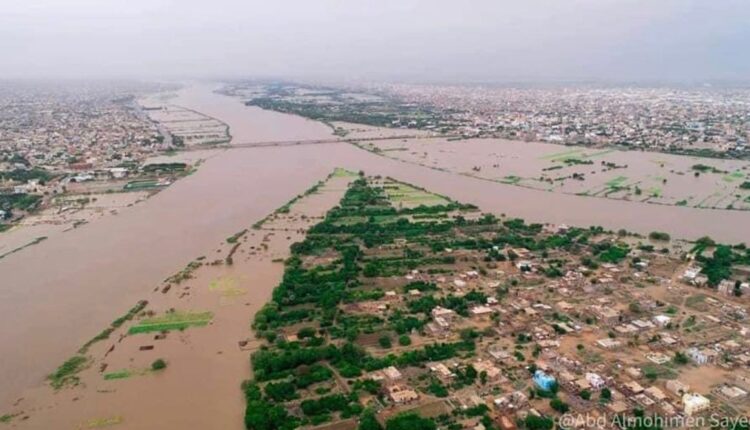
The bridge outside the market in Yola sits like a broken sentence with half its span gone, the other half dangling over a brown, greedy river. Traders who once walked that crossing now row small skiffs through what used to be the town square; a clinic that used to take five minutes to reach is a two-hour detour, when the detour exists at all.
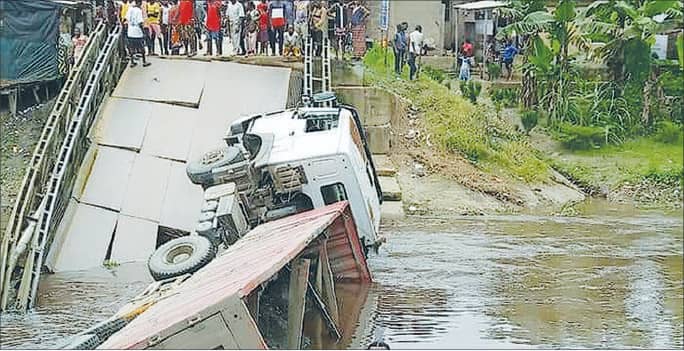
In communities across Nigeria this year, rain isn’t merely arriving late or early, it's arriving with an unfamiliar violence that turns roads into rivers, cuts power to hospitals, and makes whole neighbourhoods inaccessible overnight. This is not seasonal weather; it’s a new geography of flooding reshaping lives, services and politics.
The Human and Economic Toll Beyond Farms
Take Amina, a market vendor in a flooded coastal town; her stall sits intact, cartons of detergents and school supplies stacked and dry on the morning the floodwater rose. By nightfall the same goods are ruined and by the next week, the road linking her to the city is gone. Her children’s school has been closed for months.
Across Nigeria and neighbouring coastal states, the images repeat. Crop loss, school closures, family displacements, lost earnings for traders, taxi drivers and small transport operators, and fractured supply chains leaving clinics short of medicines.
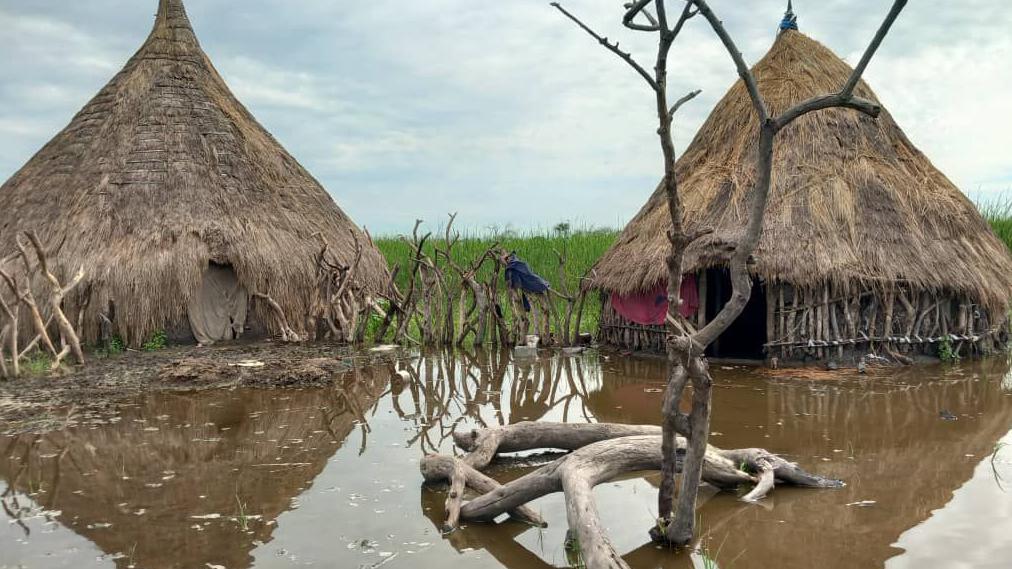
In South Sudan too, there are entire communities which have been pushed onto higher ground, with thousands living in temporary shelters and infrastructure in critical shape. Schools, clinics, roads, business centres are all severely damaged.
A Quick Data Snapshot.
Floods and extreme seasonal events are spreading across West, Central and parts of East Africa. Relief agencies have recorded millions affected across West and Central Africa in 2024 alone, with 2025 seeing continued, widespread torrent in several countries.
According to government and relief reports, Nigeria’s recurrent 2024–25 floods have displaced large numbers, destroyed tens of thousands of homes and damaged critical infrastructure.
These statistics map onto similar devastation in Sierra Leone, Liberia and Guinea, where urban flash floods and riverine overflows have become an unavoidable routine.
Meanwhile, the Horn of Africa faces the opposite. In many places, prolonged droughts and water scarcity create a parallel public-health emergency. The UN and humanitarian agencies reported this as a continent-wide pattern: too much water in some places and too little in others both driven, in part, by shifting climate patterns.

Across communities in South Sudan, floods have affected nearly 890,000 people and displaced over 100,000, severely straining the humanitarian response.
Infrastructure & Supply Chains on the Front Line.
When a bridge collapses, the consequences aren't in the apparent missing concrete. Fuel deliveries begin slow or stop completely, ambulances detour around impassable routes, vaccine and cold-chain supplies miss their windows, market prices spike because a single link road is cut, as seen in the destructive Mokwa flood events.
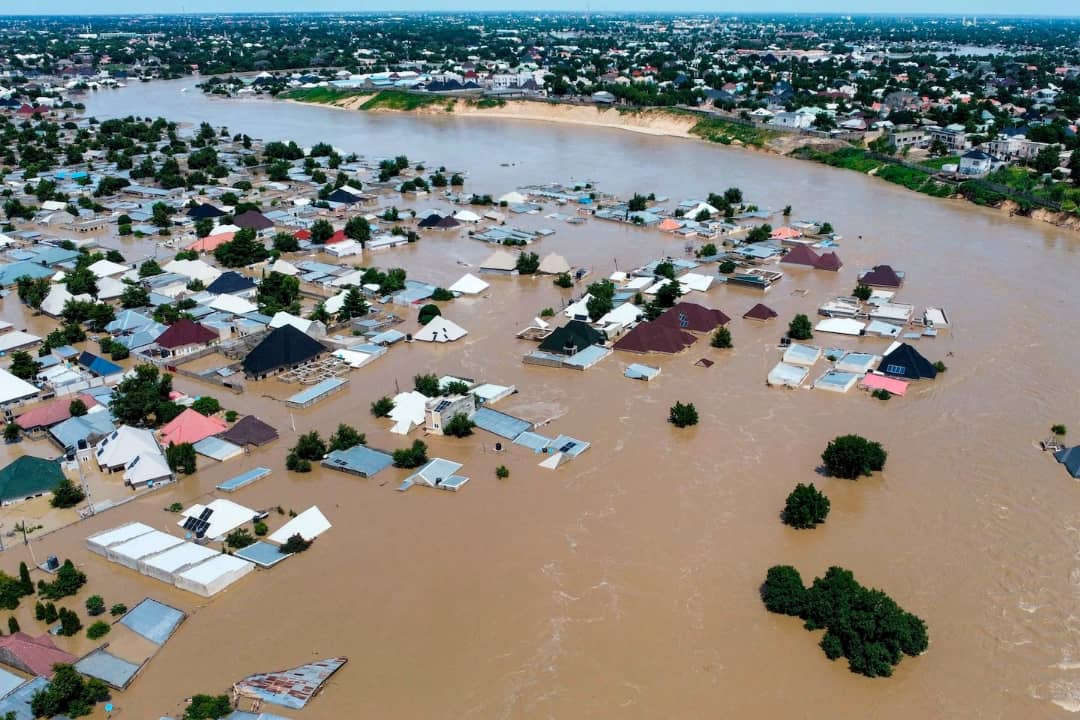
In Mozambique and Malawi, cyclone seasons repeatedly show the astronomical cost of rebuilding coastal infrastructure. In Nigeria and South Sudan, the immediate logistics challenge becomes a longer economic one: businesses lose customers, transporters lose income, and regional markets fragment until supply routes are restored.
This results in local economies that stop and start with each extreme weather event, preventing steady recovery.
From Floods to Fever: The Public-Health Cascade.
Floodwaters don't bring only mud. They bring contaminated water, damaged boreholes, and crowded shelters which are the perfect conditions for water and vector-borne disease outbreaks.
Past flood events in Nigeria have been followed by spikes in cholera and acute watery diarrhoea; crowded displacement sites across South Sudan and the West African coast face rising malaria and gastrointestinal disease risks.
The mental-health burden is rarely counted in Africa but there's repeated displacement– the loss of homes and livelihoods, and the constant anxiety about the next deluge are taking an invisible but real toll on people’s wellbeing.
Humanitarian actors now frequently have to pair shelter responses with emergency water, sanitation and mental-health interventions.
Cities Underwater: Planning Failures Amplified.
Urban flooding is as a result of a failure in planning as well as it is a hydrological event. Rapid city growth, informal settlements on floodplains, clogged drains and poor zoning turn heavy rains into urban disasters.
In many West African cities, residents describe flash floods arriving faster than anyone can evacuate as a rooftop-to-river reality has been made worse by blocked drainage and inadequate municipal maintenance.
Car owners are reluctant to drive cars around cities fearing that the rising water levels will seep into their engines. Pedestrians too, avoid small roads because floods often swell up to knee height.
The solution is very clear; well-planned drainage and enforcement of land-use laws will reduce harm because where those systems are weak, floods become urban catastrophes.
Dams, Deluge and Diplomacy: The Nile Basin’s Fraught Hydraulics.
The Nile Basin has its own, great and complex drama. Large dams and altered reservoir operations change downstream timing and flows. This year’s high flows across parts of the Nile system have fed a political argument as much as a hydrological one.
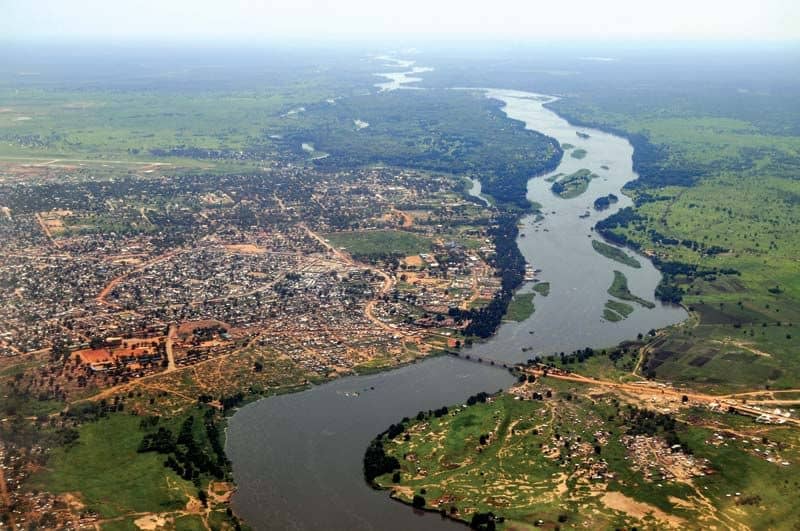
Some downstream actors point fingers at upstream reservoir management when floods damage communities, while upstream states say that heavy rains explain the surges, not dams.
However, the real picture mixes both; infrastructure decisions interact with climate variability making transboundary water governance a flashpoint that can translate hydrological stress into diplomatic tension.
Voices on the Ground and the Small Wins.
Local NGOs and municipal engineers describe practical, scalable wins: community-led early-warning systems that use SMS and radio to push evacuation alerts, simple drainage projects that clear choked canals, raised market platforms that keep critical goods off the floodplain.
These are stopgaps and not necessarily not solutions but they matter. Experts argue officials must combine such local resilience with strategic investments. Build better hardened bridges, climate-proofed clinics and schools, and plan contingency logistics both for food and medical supplies. There’s also a glaring insurance gap– when disaster funds are ad-hoc, recovery is slow and ultimately unequal.
The Policy Ask: Treat the Floods as Structural, Not Seasonal.
Circle back to Amina and the broken bridge. If governments and donors keep folding flood response into emergency, seasonal budgets, the cycle repeats. Her goods will be lost, her children will not be able to attend classes, her access to hospitals will cease and the quality of her life will keep diminishing year by year.
To break it, Africa needs a different financial architecture for climate shocks. There needs to be anticipatory financing, regional coordination of infrastructure investments, and major upgrades to urban planning and water management.
The question grows urgent– what are the political costs of treating a reshaped rainfall map as ordinary weather instead of a structural crisis that demands long-term investment?
If the rains have truly forgotten their old timetable, Afria must stop waiting for “normal” to return. There must be a redesign of roads, clinics, markets and treaties for a climate that won’t. Otherwise, the next high water will wash away not just homes and bridges, but one more year of African hard-won progress.