The Organ Behind the Autism Spike Isn’t the Brain, So Why Are We Still Focusing Only on the Brain?
Recent research suggests the autism spike may originate in the gut, not the brain. Discover why children are improving with gut-focused interventions and why mainstream medicine is slow to respond.
In recent years, we have collectively observed the rise in the cases of autism in children, that it has slowly become one of those conditions people look out for in their toddlers and older children. Some argue that the rise in these cases are mainly as a result of exposure, broader knowledge and advances in healthcare. But is it really that?

In 1990, autism spectrum disorder affected roughly 1 in every 2000 children in the United States of America. By 2000, that number had shifted to 1 in every 150, and as of today, it stands as 1 in every 36.
Observing the patterns carefully, it is evident this is a spike. And it is happening very fast and too dramatically, to be explained away by the reasons we keep giving.
It is true that diagnostic criteria expanded through the 1990s, awareness increased and more children are being evaluated earlier. And it accounts for some of it.
But that can not fully explain the 300% increase since 2000, using largely similar diagnostic criteria. There is only so much paperwork that can explain and we passed that a long time ago.
Something else is happening. And the answer, increasingly, is not in the brain.
The Brain Gets The Diagnosis. The Gut Is Where The Story Begins
Autism is usually diagnosed through behavioural patterns, usually how a child communicates, socialises and processes sensory information. So, it, often, gets the tag of a neurological condition, a brain problem, something probably permanent. But this tag is slowly falling apart under the weight of research.

The gut and the brain are in constant conversation. The gut produces a significant portion of the body's serotonin, a neurotransmitter critical for mood, social behaviour and cognitive function. It communicates with the brain through the vagus nerve, a direct line running between the two.
When the gut is disrupted either by poor diet, antibiotics, environmental toxins or an imbalanced microbiome, it triggerssystemic inflammation. That inflammation doesn't stay in the stomach. It crosses the blood-brain barrier and affects brain tissue directly.
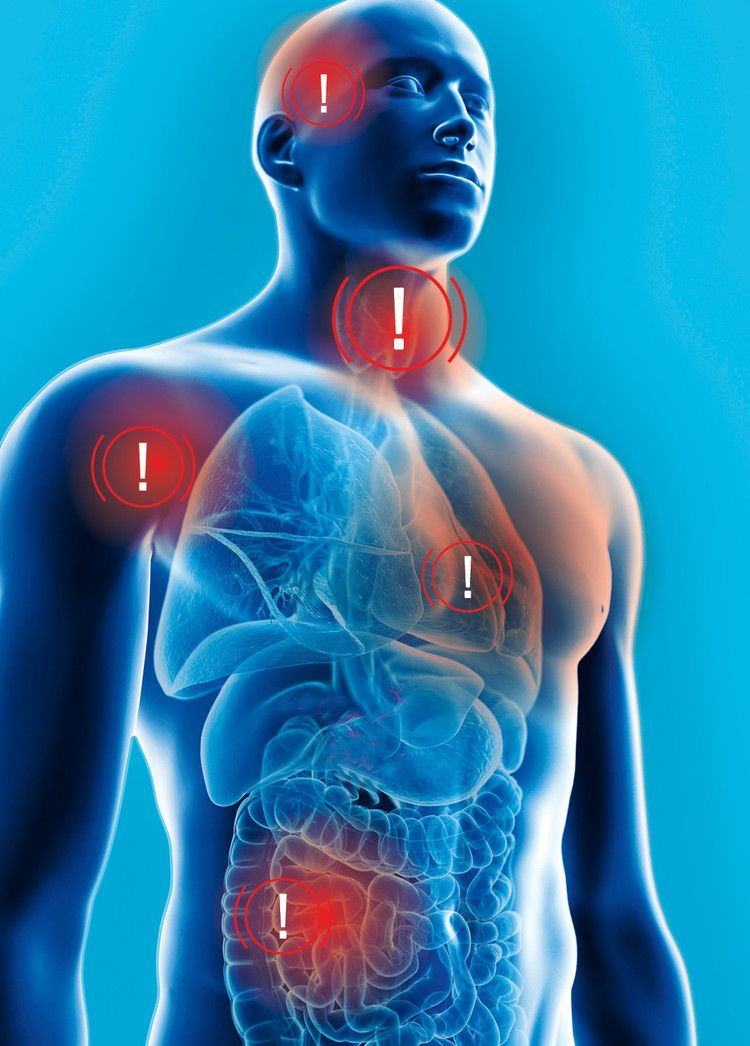
In an adult, that disruption might show up as depression, brain fog, or anxiety. In a child whose brain is still in its most critical developmental window, the consequences can be far more severe.
The neural pathways responsible for language acquisition, social development and sensory regulation are being built in real time and chronic inflammatory disruption interferes with that process at the most fundamental level.
The Evidence That Keeps Being Ignored
In 2024, the Journal of Personalised Medicine publisheda case report that deserves far more attention than it has received.
Twin girls were diagnosed with Level 3 autism spectrum disorder, the most severe classification, defined as requiring very substantial support, at approximately 20 months of age.
Neither child was functioning at age-appropriate levels. Their symptom scores, measured on the Autism Treatment Evaluation Checklist, were 76 and 43 respectively.
Their parents, guided by a multidisciplinary team, implemented a comprehensive intervention targeting the gut and the body's total environmental load.
This included strict dietary measures like gluten-free, casein-free, organic, low in sugar and artificial additives.
Targeted nutritional supplementation was based on each child's specific lab results. Detoxification protocols were put in place, same as mold remediation in the family home and reflex integration therapy.
The approach was not one-size-fits-all; it was personalised to each child's biology.
Within two years, one twin's symptom score had dropped from 43 to 4. The other's from 76 to 32. One child no longer meets the diagnostic criteria for autism at all.

This is not an isolated case.
A 2019 study published by researchers at Arizona State University treated autistic children with faecal microbiota transplants, essentially restoring a healthy gut ecosystem, and tracked them over two years.
Participants showed significant improvement in both gastrointestinal symptoms and core autism behaviours, with gains that held or increased at follow-up rather than fading.
A separate 2024 review in Frontiers in Psychiatry documentedmultiple cases of children whose autism symptoms measurably improved following targeted dietary and microbiome interventions.
The recoveries are not identical and the researchers are careful about the word "reversal."
But the pattern — gut disruption, gut repair, behavioural improvement — is appearing across independent studies.

When the same mechanism produces the same result across independent research, it stops being anecdote. It becomes a signal that deserves a serious, funded response.
Why Nigeria Should Be Paying Attention
Africa largely doesn't appear in global autism data not because the condition is absent, but because the diagnostic infrastructure to document it doesn't exist across much of the continent.
That absence of data is not reassuring. It is a gap that deserves its own conversation.
What partially fills that gap are migration studies and one example is particularly hard to dismiss.
Somali communities in Minnesota and Sweden, populations that relocated in large numbers from the late 1990s onward, saw their children develop autism at rates four times higher than non-Somali children in the same cities.
Back in Somalia, the condition was so uncommon it had no local name. The families hadn't changed. Their genetics hadn't changed.
What changed was everything around them: the food, the chemical environment, the absence of the gut-protective microbial diversity that comes with traditional diets and early outdoor exposure.
Researchers studying these communities noted the disparity was too large and too consistent to be explained by diagnostic access alone.
The variable that changes is the environment and the environment includes everything a child eats, breathes and absorbs from birth.
Nigeria is getting to that point. Ultra-processed food is flooding the market and undercutting fresh produce on price.
Formula feeding is rising as breastfeeding rates fall. Antibiotic use is widespread and largely unregulated.
The farm-to-table food culture that has historically protected Nigerian children's gut health is being quietly dismantled in real time.
The conditions that might have driven the autism spike in the West are being actively recreated here. The consequences may not be far behind.
The Reason You Haven't Heard This
Whole food cannot be patented. Gut healing cannot be bottled and sold at scale.
There is no pharmaceutical product waiting at the end of this research which means there is no financial incentive for the institutions that control medical funding to commission the large-scale trials that would confirm it conclusively.
No one needs to be villainous for this to be true. Funding follows profit. It always has.
The absence of a financial incentive is a sufficient explanation and it requires no bad faith on anyone's part.
The evidence exists. The recoveries are documented. The biological mechanism is coherent and increasingly supported by independent research.
What is missing is not proof; it is money and the institutional will to follow the science wherever it leads regardless of who profits.
If children are recovering, the question is not whether reversal is possible. The question is why the systems built to protect child health remain the last to say so.