The Gig Economy: Powered by Technology
The gig economy is powered by technology. A system that allows people to work flexibly while connecting businesses and workers instantly. As digital tools continue to evolve, the gig economy is becoming an important part of the global tech ecosystem.

Work is changing faster than ever.
A few years ago, most people worked fixed hours for one employer and earned a steady monthly salary.
Today, millions of people earn money by doing short-term jobs, freelancing, or offering services online.
This modern way of working is called the gig economy, and it exists mainly because of technology.
From mobile apps to digital payments, technology has improved how people find work, earn income, and manage their time.
Understanding the Gig Economy
The gig economy refers to a system where people work on a task-by-task or short-term basis instead of having permanent jobs.
These tasks are often called “gigs.” A gig might last a few minutes, a day, or several weeks.
Many people today earn money by driving passengers, delivering food, writing articles, designing logos, tutoring online, or selling digital products.
Gig workers are usually independent, meaning they decide when to work, how often to work, and which jobs to accept.
This freedom is one of the biggest reasons the gig economy has become so popular worldwide.
How Technology Makes the Gig Economy Possible
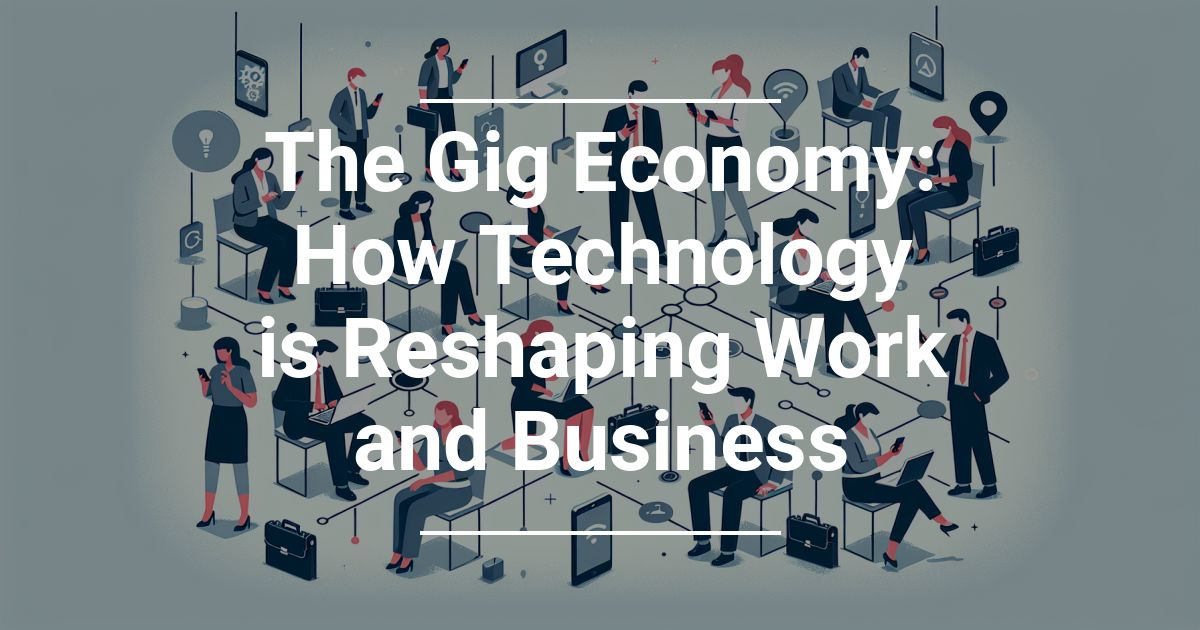
Technology is the foundation of the gig economy.
Without smartphones, the internet, and digital platforms, this way of working would not exist.
Online platforms and mobile apps connect workers directly with customers.
Latest Tech News
Decode Africa's Digital Transformation
From Startups to Fintech Hubs - We Cover It All.
These platforms act like digital marketplaces where people post jobs and others accept them within seconds.
Apps handle communication, payments, and even customer feedback, removing the need for offices or paperwork.
Digital payment systems also play a major role.
Gig workers can receive payments instantly through bank transfers, mobile money, or digital wallets.
This fast and easy payment system makes gig work attractive, especially in countries where traditional banking can be slow or limited.

For delivery and ride-hailing services, GPS and location technology are essential.
They help match workers with nearby customers, find the best routes, and track services in real time.
Digital platforms are one of the biggest drivers of modern gig work.
The Benefits of a Technology-Driven Gig Economy
Technology has also lowered the barriers to entry. Many gig jobs only require a smartphone, internet access, and basic skills.
This allows more people to participate in the economy, including those who may struggle to find traditional employment.
In addition, the internet has made gig work global.
Freelancers can now work for clients in other countries without leaving their homes.
Platforms like Upwork and Fiverr allow people to sell skills and services across borders, expanding opportunities worldwide.
Technology allows workers to build digital profiles, gain reviews, and improve their chances of getting more work.
Latest Tech News
Decode Africa's Digital Transformation
From Startups to Fintech Hubs - We Cover It All.
Businesses also benefit from the gig economy.
Companies can hire skilled workers only when needed, reducing costs and increasing efficiency.
According toMcKinsey, gig work helps businesses adapt quickly to changing demands.
What the Future Looks Like
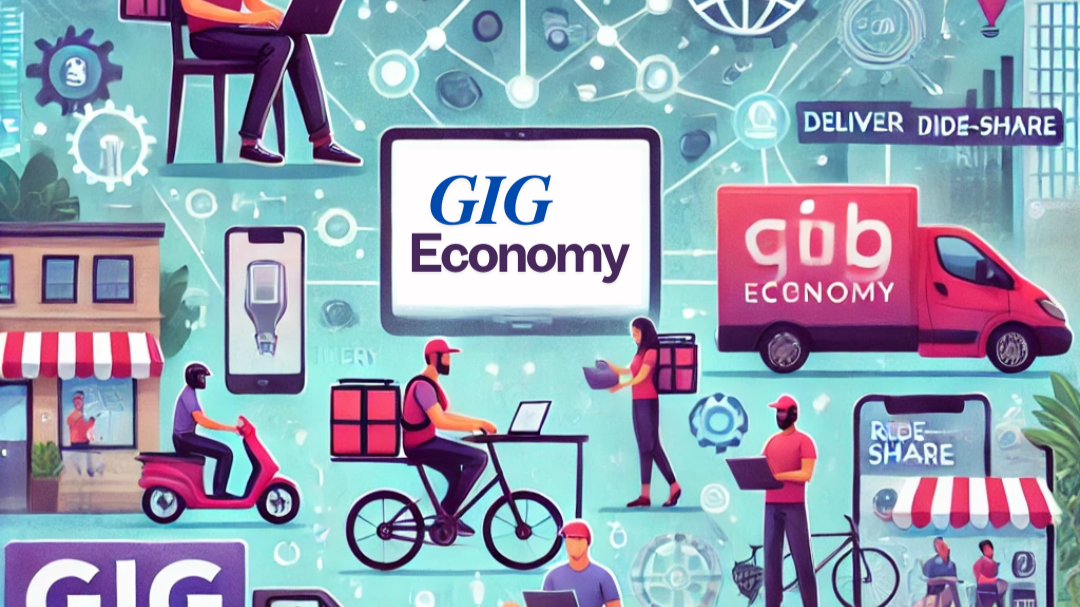
The gig economy is expected to keep growing as technology improves. Artificial intelligence, automation, and better digital tools will create new types of gig jobs and make platforms more efficient.
TheOECD, for example, predicts that digital work will continue to shape the future of employment.
We may see more remote work, better digital skills training, and hybrid models that combine traditional jobs with gig work.
Conclusion
The gig economy shows how powerful technology can be.
Smartphones, apps, digital payments, and online platforms have transformed how people work and earn money.
They offer flexibility, opportunity, and global access like never before.
However, these benefits come with challenges that cannot be ignored.
As technology continues to advance, the future of the gig economy will depend on how well innovation is balanced with fairness.
One thing is certain: technology will remain the driving force behind how people find work and earn income in the digital age.