The Brain’s Balancing Act: The Psychology of Code-Switching in Nigeria
In Nigeria, words from different languages blend together in our speech as smoothly as water flows. This isn’t just a language habit, it has deep roots in psychology. Discover how it shapes our minds, and the good and bad effects it has on us.
What Is Code-Switching?
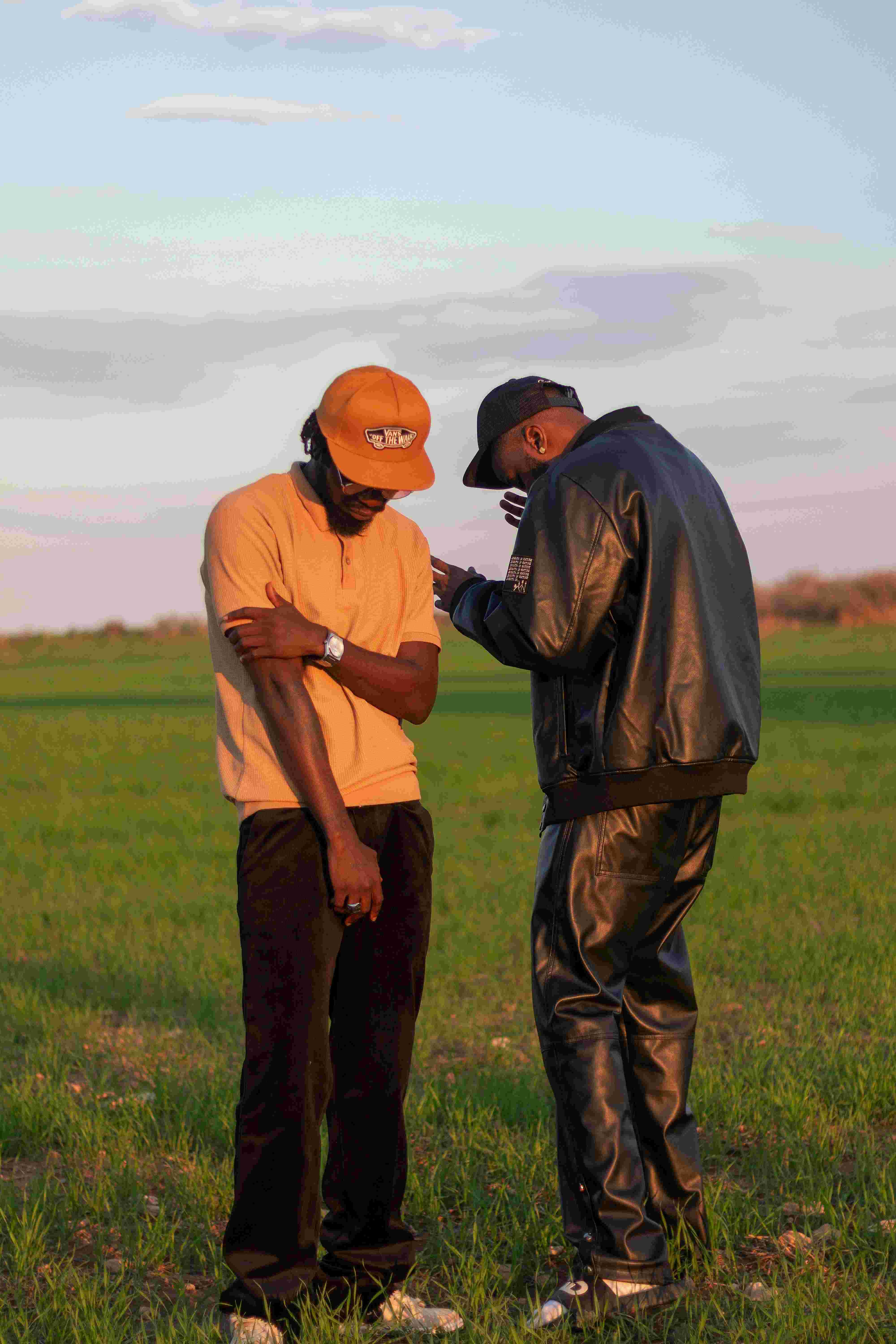
Code-switching—the practice of alternating between two or more languages or dialects within a single conversation—is not merely a linguistic jargon. It is a complex neurological and behavioral act that reflects deep mental processing, social strategy, and cultural negotiation. In multilingual contexts like Nigeria, where people frequently move between English, Nigerian Pidgin, and indigenous languages such as Yoruba,Igbo, and Hausa, code-switching is both common and contextually rich. However, behind this everyday act lies a not so rosy reality.

The Neurological Mechanics of Switching
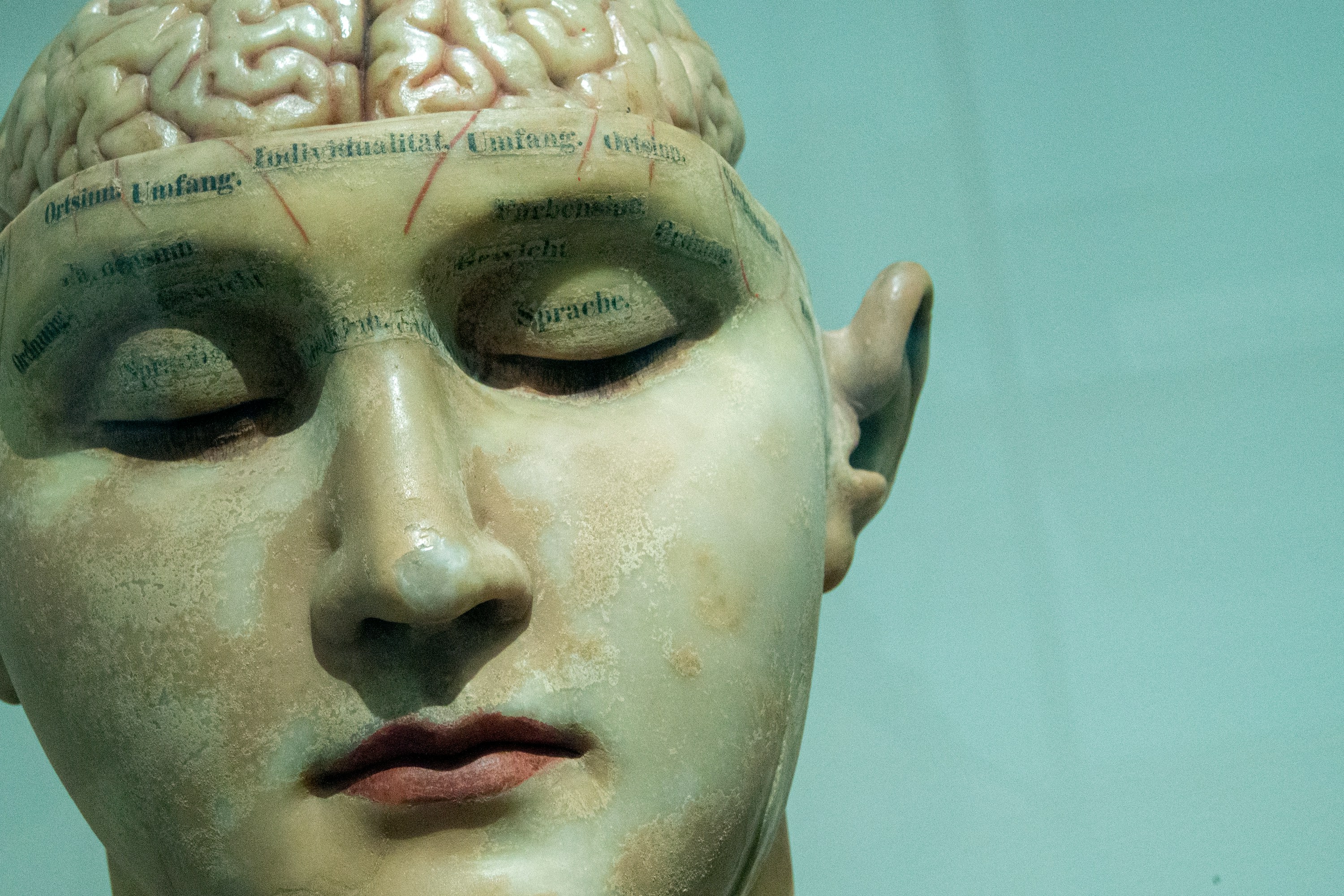
Brain research shows that code-switching—switching between languages while speaking—activates special parts of the brain that handle language and mental control. Scientists use brainwave studies (called ERPs) to track how the brain reacts during code-switching.
These studies reveal that the brain still understands meaning right away (shown by a signal called the N400). But later on, it puts in more mental effort to process the switch.
In short, the brain doesn't treat code-switching as random or confusing. Instead, it actively tries to make sense of it by focusing more, solving problems, and adjusting quickly—just like it does with other complex tasks.
The Behavioral Edge and the Mental Toll
Social Insight
Navigate the Rhythms of African Communities
Bold Conversations. Real Impact. True Narratives.
Research published in the Frontier’s journal shows that people who often switch between languages tend to have stronger mental skills, like better focus, flexibility, and the ability to switch tasks easily. That’s because code-switching gives the brain regular practice in filtering out distractions and shifting gears—like a mental workout.
But there’s a downside. Just like overworking any muscle, constantly switching languages can tire the brain. This can lead to mental exhaustion, confusion between languages, and what's known as the “mental toll” of switching.
Nigeria’s Code-Switching Landscape

In Nigeria, code-switching is a common part of daily life. It helps people quickly adjust how they speak based on the situation—whether they are in a formal setting, talking to elders, or chatting with friends. A single conversation might include English, Pidgin, and a local language like Igbo, with each switch showing the speaker’s awareness of who they’re talking to and how they feel.
Studies show that Nigerian bilinguals may get mental benefits, like better focus and faster thinking. But there are also some problems. In many schools, switching too often—especially from English to Pidgin—can make it harder for students to improve their reading and writing in standard English. At the same time, native languages may slowly disappear, used only in small parts of speech instead of for full conversations and deep thinking.

Danger: The Cultural High Stakes
Beyond intelligence and behavior, the implications of code-switching reach into identity, power, and cultural preservation.
Yet this power is double-edged. If left unchecked, the same flexibility that allows Nigerians to navigate their multilingual reality fluidly could lead to linguistic fragmentation. Over time, younger generations may find themselves linguistically adrift—able to speak many languages halfway, but master none. This suspense, the question of what language future Nigerians will think in, dream in, or write in, is one of subtle concern.
Social Insight
Navigate the Rhythms of African Communities
Bold Conversations. Real Impact. True Narratives.
Toward a Balanced Future
To fully harness the neurological and behavioral advantages of code-switching, Nigerian educational policy must shift from suppression to strategic integration. Rather than penalizing students for switching languages, curricula should be designed to recognize when, why, and how code-switching occurs—and use it to deepen understanding. Teachers can be trained to navigate linguistic diversity as a cognitive asset, not a threat. Classroom assessments can account for bilingual reasoning, not just monolingual accuracy.
Final Words
Code-switching in Nigeria is not just a communicative act—it is a mental balancing act, a neurological suspense, and a cultural crossroads. It changes the brain, reveals the inner self, and negotiates for a space in the world. Understanding its intricate cognitive underpinnings is essential not just for linguists or educators, but for anyone who sees language as more than words.