Nigeria Tax Committee Rejects Reports Claiming Errors in Nigeria’s Tax Reforms
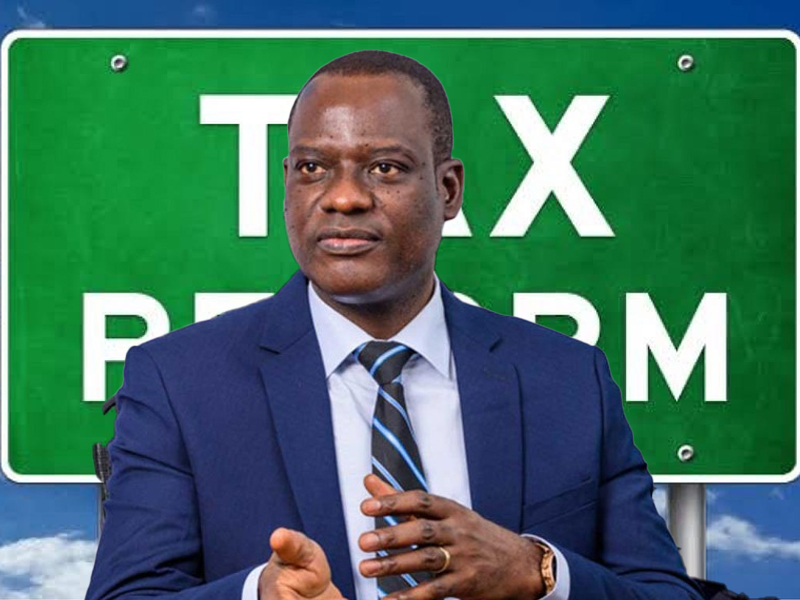
The Presidential Fiscal Policy and Tax Reforms Committee has refuted claims that Minister Taiwo Oyedele admitted errors in Nigeria’s new tax laws, labeling reports as false and misleading. The committee clarified that the legislative process is complete and the Minister's remarks on continuous improvement were misinterpreted. Early gains from the reforms include a significant increase in tax registrations and provisions for tax relief on essential items.
Nigeria’s Presidential Fiscal Policy and Tax Reforms Committee has dismissed reports alleging that officials admitted errors in the country’s new tax laws, describing the claims as misleading and inaccurate.
The committee clarified that recent media reports suggesting an ongoing legislative probe or acknowledgement of fundamental flaws in the reforms misrepresented the situation.
It noted that the legislative process for the tax laws had already been concluded, with certified copies gazetted and published earlier in January 2026.
The clarification followed reports that emerged after discussions at a legal conference in Lagos, where officials highlighted early outcomes of the reforms and emphasized the need for continuous stakeholder engagement.
The committee explained that periodic updates through finance legislation are part of standard policy refinement and should not be interpreted as evidence of errors in the original laws.
The reforms were designed to address longstanding disparities in the tax system and improve fairness across individuals and businesses.
According to the committee, the reforms have already produced measurable outcomes, including a surge in business registrations with the Corporate Affairs Commission and a significant rise in tax registrations nationwide.
The new tax framework also introduced exemptions for small businesses, relief for low-income earners, and tax reductions on essential services such as food, healthcare, education, transportation, and rent, alongside the establishment of a Tax Ombud to protect taxpayers.
The reforms were initiated in 2025 and expanded in 2026 as part of broader efforts to widen the tax base and strengthen Nigeria’s fiscal system.