Tanzania Plunges Deeper into Economic and Social Crisis Amid Post-Election Turmoil
Tanzania faces escalating violence, economic paralysis, and humanitarian suffering following disputed presidential elections, threatening its long-standing reputation for peace and stability.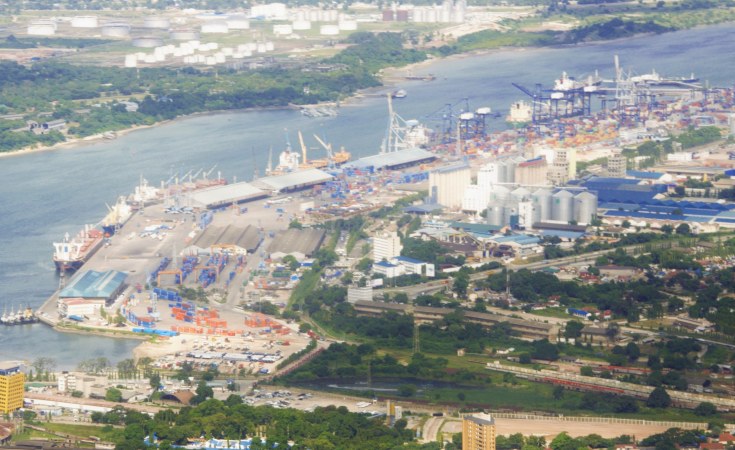
Dar es Salaam, Tanzania’s bustling commercial hub, has fallen into an uneasy silence following disputed presidential elections. What was once a vibrant city of trade and energy now faces curfews, street violence, and widespread fear. Observers have condemned the vote as deeply flawed, with a 12-hour curfew paralyzing economic life and claiming hundreds of lives nationwide. For millions who depend on informal work to survive, the restrictions have turned daily living into an unrelenting struggle.
The horror of the crisis became starkly evident on October 31 in Manzese, a township on the outskirts of Dar es Salaam. Abel Nteena, a 36-year-old tricycle rider, recounted seeing masked men in black uniforms with red armbands opening fire on people queuing for fuel. He described their strange accent and noted that three colleagues were critically injured. This attack was one of several across the city, spreading panic and halting everyday activity.
The government’s 12-hour curfew, intended to restore order, has instead deepened hardship. Shops and transport services close early, and access to financial institutions from banks to mobile money agents is limited. Neema Nkulu, a 31-year-old mother, narrowly escaped a sniper’s bullet while buying milk. Now, she struggles to access her digital funds, echoing the experiences of others like Rashid Pilo, a fish vendor whose customers have vanished. The economic disruption has left families hungry and desperate.
Hospitals in Dar es Salaam are overwhelmed. Morgues at Mwananyamala and Mabwepande are reportedly overflowing, while medical staff, speaking anonymously, report shortages of body bags and storage space. Human rights observers estimate hundreds of deaths since election day, though the government has not released figures. An internet shutdown, described as a “temporary security measure,” has isolated residents, blocking access to online banking and information, a move condemned by groups like Access Now for infringing on freedom of communication.
Economically, the country teeters on the brink. Economist Jerome Mchau estimates Tanzania could lose up to USD 150 million weekly if the unrest persists. With the informal sector employing over 80% of citizens, restrictions on movement have driven food and fuel prices to alarming levels. Maize flour prices have doubled, and transport fares continue to rise. Supply chains remain frozen, preventing goods from reaching major cities and fueling panic buying, a clear sign of growing instability.
The turmoil has also eroded public trust in institutions once seen as symbols of Tanzania’s unity. Political analyst Michael Bante notes that the crisis marks a “turning point” in citizen-government relations, with many losing faith in the state’s commitment to democracy. President Samia Suluhu Hassan now faces mounting pressure to launch credible investigations into abuses and initiate dialogue with civil society and opposition groups. Organizations like Human Rights Watch have urged restraint, warning that further repression could worsen divisions.
Amid grief and fear, ordinary Tanzanians cling to hope. Schools remain closed, trauma cases are on the rise, and daily uncertainty weighs heavily. Yet voices like that of Richard Masawe, a computer specialist, speak of rebuilding trust and resilience. The African Union and United Nations have both called for dialogue, but mediation efforts remain stalled. For citizens like Rashid, the fish vendor, the dream is simple peace, stability, and the chance to rebuild. As the curfew drags on, Tanzania’s path forward hangs in the balance, shadowed by the deepest social and economic wounds in its recent history.