Sustainable Fashion: The Rise of Eco-Friendly Style
Sustainable fashion is changing how we dress by promoting eco-friendly materials, fair working conditions, and less waste. It encourages people to buy better-quality clothes, protect the environment, and support a more responsible fashion industry for the future.
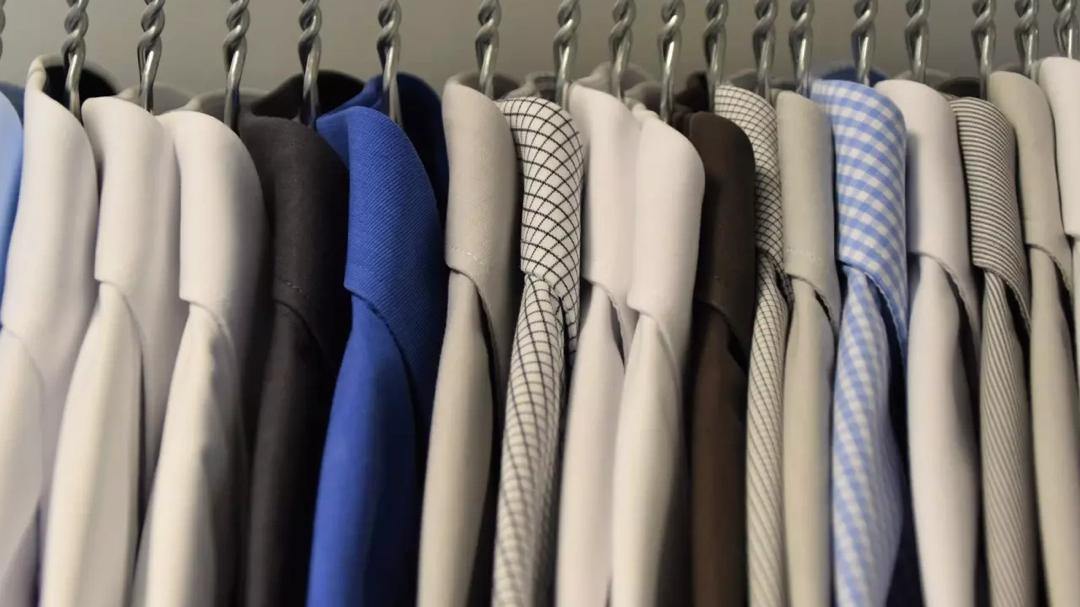
Sustainable fashion is becoming very important in the global clothing industry because people are now more aware of the environmental problems caused by fast fashion.
It focuses on making clothes in ways that are eco-friendly, ethical, and long-lasting.
Instead of buying cheap clothes that are quickly thrown away, many people now prefer good-quality clothing that lasts longer and reduces waste.
Fast fashion may be cheap and trendy, but it harms the environment. It uses a lot of water, produces pollution, and creates large amounts of clothing waste that end up in landfills.
Many of these clothes are not durable, so they are worn only a few times before being discarded.
Sustainable fashion tries to solve these problems by using natural or recycled materials that are safer for the environment.
It also supports fair treatment and better working conditions for workers in the fashion industry.
It also encourages people to buy less and choose wisely.
Instead of following every trend, people are advised to invest in simple, high-quality clothes that can be worn for a long time.
In conclusion, sustainable fashion helps protect the environment, reduces waste, and promotes a better and fairer fashion industry.
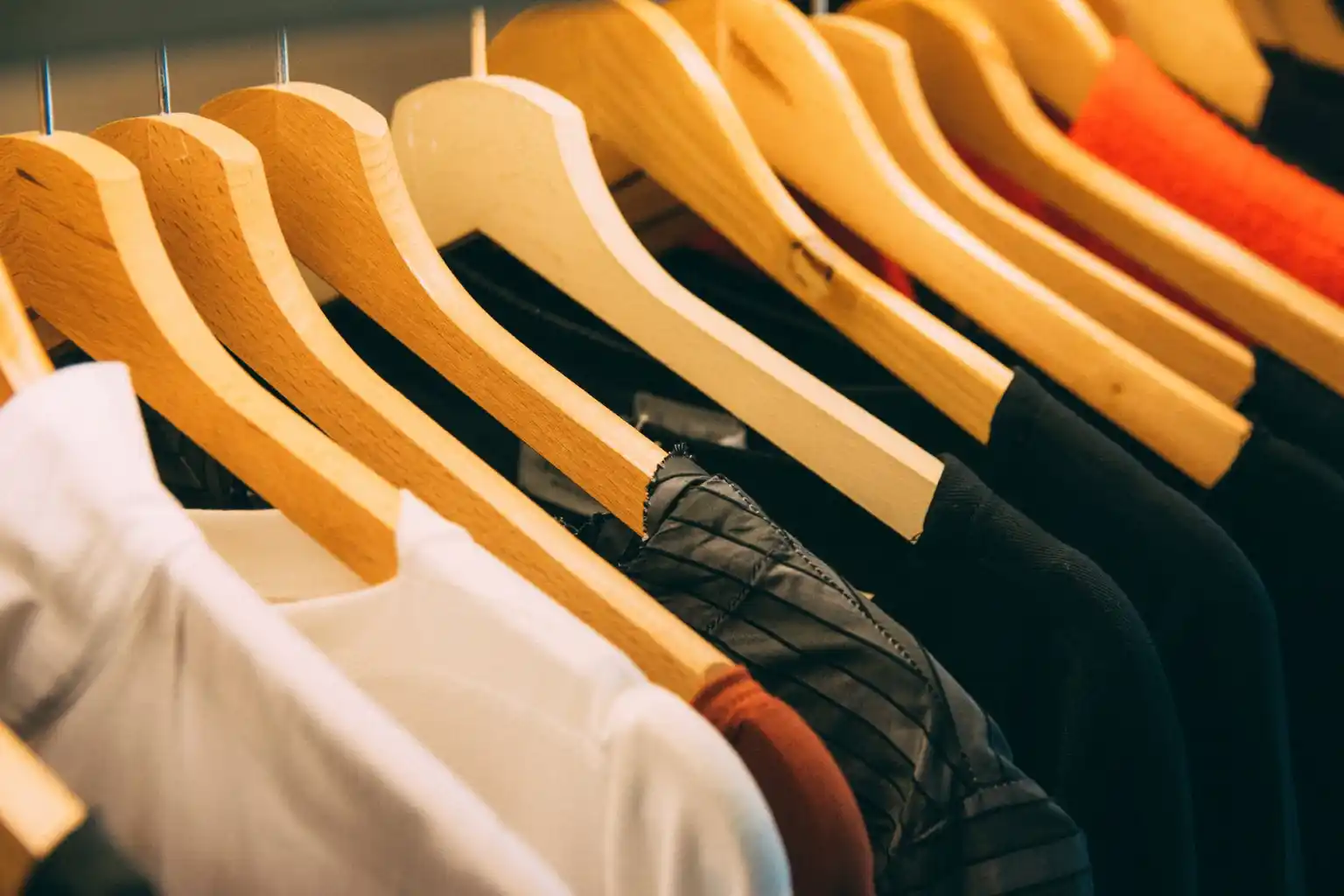
Eco-Friendly Materials
One major part of sustainable fashion is the use of natural and recycled materials.
Fabrics like organic cotton, bamboo, and recycled polyester help reduce pollution and conserve natural resources.
These materials are designed to be safer for both the environment and the people who produce and wear them.
Eco-friendly materials are important because they reduce the damage caused by traditional fabric production.
For example, regular cotton farming often uses a lot of water and chemical pesticides, which can harm the soil and nearby water sources.
In contrast, organic cotton is grown without harmful chemicals, making it better for the environment and safer for farmers.
Bamboo is another popular sustainable material because it grows very quickly and does not need much water or chemicals to survive.
This makes it a renewable and low-impact option for clothing production.

Recycled polyester is also widely used because it is made from plastic waste like bottles, helping to reduce pollution and give waste materials a new purpose.
In addition to protecting the environment, eco-friendly materials are often more comfortable and durable.
Many sustainable fabrics are soft on the skin, breathable, and designed to last longer than fast fashion alternatives.
This means people can wear them for a longer time without needing to replace them quickly.
Overall, using eco-friendly materials is a key step in making the fashion industry more responsible.
It helps reduce waste, saves natural resources, and creates clothing that is safer for both people and the planet.
Ethical Production
Sustainable fashion also focuses on fair working conditions for people who make clothing.
Many brands are now becoming more responsible by ensuring that workers are treated fairly, paid properly, and work in safe environments.
This helps reduce exploitation in the fashion industry and supports more ethical and responsible production practices.
In the past, many clothing workers in fast fashion factories worked long hours for very low pay.
Some also worked in unsafe buildings with poor ventilation, overcrowding, and little protection.
This led to serious health risks and unfair treatment of workers, especially in developing countries where most clothing production takes place.
Ethical production aims to change this by improving labour standards.
It encourages companies to provide fair wages that can support workers’ basic needs, such as food, housing, and education.
It also promotes reasonable working hours, so employees are not overworked or under pressure.
Another important part of ethical production is safety.
Factories are expected to follow rules that protect workers from dangerous conditions, such as fire risks or unsafe machinery.
This helps create a healthier and more secure workplace.
Overall, ethical production ensures that fashion is not only about style and profit, but also about respecting human rights.
It supports a system where workers are valued and treated with dignity, making the fashion industry more fair and responsible.
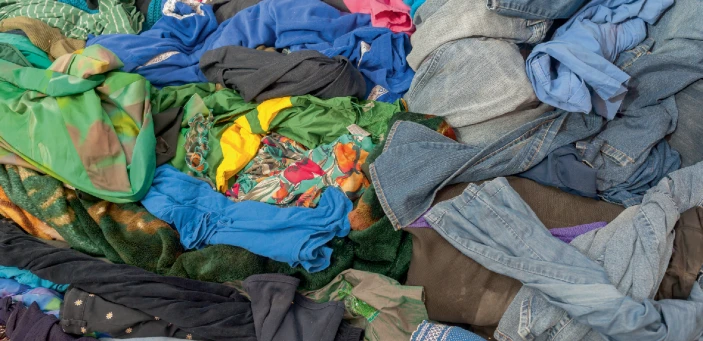
Reducing Waste and Overconsumption
Another key idea in sustainable fashion is reducing waste by encouraging people to buy fewer clothes but choose better-quality ones.
Recycling, upcycling old clothes, and donating unused items are all ways to reduce fashion waste and make clothes last longer.
Despite this, many major fashion brands are still not making strong progress in reducing their environmental impact.
Reports such as Kearney’s Circular Fashion Index show that little has changed over the years, meaning many companies are still far from fully sustainable practices.
However, new technology is creating opportunities for change, and innovations in recycling and fabric production can make it easier to produce sustainable materials on a larger scale.
To achieve this, the fashion industry needs to rethink what is possible and invest more in eco-friendly solutions.
Overconsumption remains a major problem, as people continue to buy cheap, trendy clothes that are quickly thrown away after only a few uses.
This increases waste and puts more pressure on the environment.
This creates a lot of waste and harms the environment because more resources are used to produce new clothes.
To reduce this problem, people are encouraged to buy fewer but stronger and longer-lasting clothes.
This helps reduce waste and saves money in the long run.
Recycling old clothes into new materials and upcycling them into new designs also helps reduce waste.
Donating clothes is another simple way to give them a second life instead of throwing them away.
This concludes that reducing waste and overconsumption helps protect the environment and encourages more responsible fashion choices.
Conclusion
Sustainable fashion is more than just a trend, it is an important change for the future.
By choosing eco-friendly materials, supporting fair production, and reducing waste, people can help protect the environment while still wearing stylish clothes.
The fashion industry affects the environment a lot, so both brands and consumers need to make better choices.
Simple actions like buying fewer clothes, reusing outfits, recycling old clothes, and supporting ethical brands can make a big difference.
In the end, sustainable fashion is about making smart choices that are good for people and the planet.