Stunning Study Reveals Diabetes Drugs Unaffordable for Many Nigerians
A new study reveals that soaring inflation and medicine costs have made diabetes care unaffordable for many Nigerians, leading to dangerous treatment interruptions and increased complications. Experts are calling for urgent reforms, including an Affordable Medicines Facility for Diabetes and expanded health insurance coverage, to ensure access to essential medicines.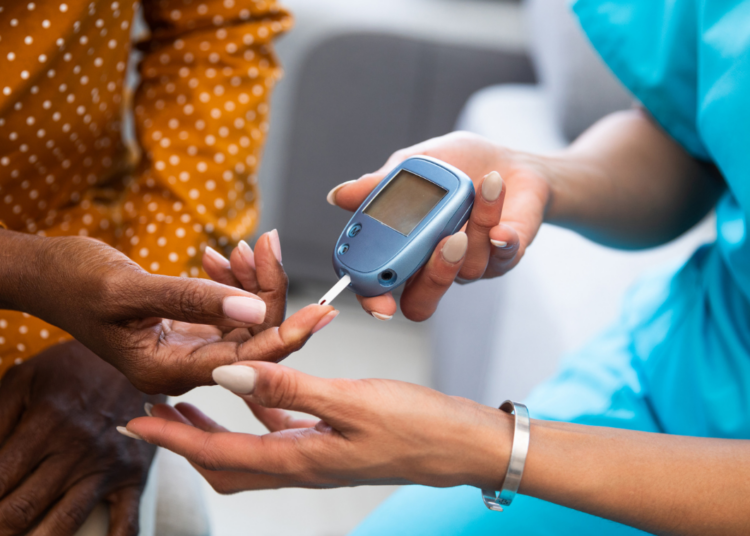
A new study, collaboratively conducted by DGI Consults and supported by Gatefield, has brought to light a severe public health crisis in Nigeria: the escalating costs of inflation and essential medicines are rendering diabetes care inaccessible for the average Nigerian. The findings, unveiled during a high-level webinar commemorating World Diabetes Day 2025, indicated a staggering increase of over 400% in the average cost of diabetes treatment per person due to persistent inflation. This dire situation is particularly critical for the nation's poorest citizens, for whom diabetes treatment expenses exceed seven times their total income.
The webinar served as a critical forum, bringing together public health experts, researchers, and individuals living with diabetes to dissect the intricate relationship between inflation, the affordability of medicines, and adherence to treatment regimens. The study underscored a perilous trend: the prohibitive cost of vital medicines has compelled numerous patients to either ration their doses or discontinue treatment entirely. This alarming practice is directly contributing to a surge in diabetes-related complications and a rise in hospital emergencies across the country.
Professor Felicia Anumah, a distinguished endocrinologist and diabetes expert at the University of Abuja, articulated the gravity of the situation, stating, “Diabetes is an expensive disease. Patient flow has reduced at the clinic, and when we call them to find out why, they say it’s because they don’t have transport money to come to the hospital.” Reinforcing this personal impact, Bernard Enyia, the second vice president of the Diabetes Association of Nigeria, who has personally managed the disease for over 15 years, shared his challenging experience: “I spent over N2 million in a matter of months to battle the implications of diabetes.”
In response to these alarming findings, panelists at the webinar issued an urgent call for comprehensive reforms aimed at ensuring that essential medicines remain within reach for all Nigerians, irrespective of their economic status. The study put forth several key recommendations, chief among them being the establishment of an Affordable Medicines Facility for Diabetes (AMFD). This proposed multi-stakeholder funding and procurement mechanism is specifically designed to substantially reduce the retail prices of life-saving medicines, including insulin and various oral anti-diabetics.
Further recommendations included the implementation of targeted subsidy schemes for low-income earners and other vulnerable populations, alongside a significant expansion of the National Health Insurance Authority (NHIA) coverage to encompass all anti-diabetic medicines and associated laboratory services. The study also emphasized the strategic importance of fostering local drug manufacturing through the provision of tax incentives and low-interest financing, thereby reducing Nigeria's heavy reliance on imported pharmaceuticals. Omei Bongos-Ikwue, public health lead at Gatefield, aptly described the escalating cost of essential medicines as a “quiet public health emergency,” asserting that without immediate and decisive action, a growing number of Nigerians will be priced out of essential treatment. He concluded by advocating for the AMFD as a “sustainable path forward, one that protects lives, strengthens health systems, and ensures no one has to choose between eating and staying alive.”