Starlink's African Roadblock: Namibia Rejects Elon Musk's Satellite Service, Locking Out Key Markets
Namibia's communications regulator has rejected Starlink's appeal for a licence, citing non-compliance with local ownership rules. This situation mirrors a similar deadlock in South Africa, where identical regulations and political opposition hinder Starlink's market entry, making a legal launch unlikely before 2027.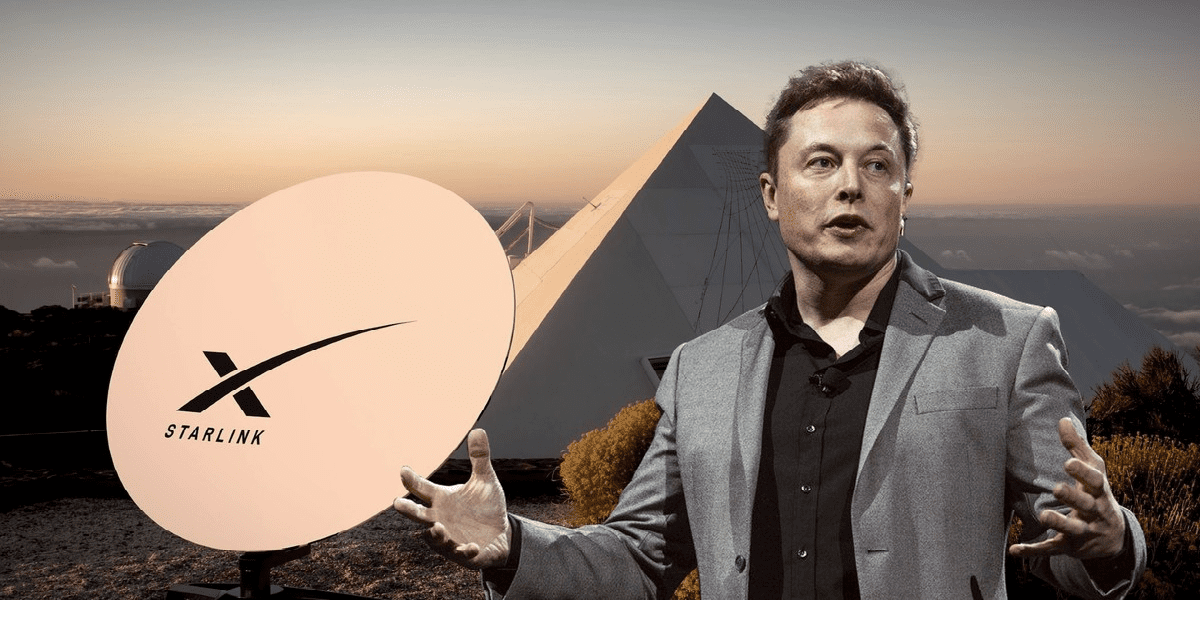
Namibia's communications regulator, the Communications Regulatory Authority of Namibia (CRAN), has definitively dismissed Starlink's appeal against the rejection of its licence applications. This decision reaffirms that Elon Musk's satellite internet provider continues to fall short of the country's stringent local ownership requirements, a hurdle that initially led to the rejection of its telecommunications service licence and radio spectrum access licence applications in March. CRAN cited non-compliance with ownership and control rules stipulated under section 46 of Namibia’s Communications Act as the primary reason for the initial refusal.
The regulator's dismissal of Starlink’s subsequent appeal was partly due to procedural non-compliance; the reconsideration request was filed after the statutory deadline of April 23. CRAN revealed that out of 624 reconsideration requests received, 622 were dismissed for failing to meet procedural and jurisdictional requirements. The two requests that did qualify, including Starlink's, introduced no new facts or material errors that could alter the original decision, thus providing insufficient legal or factual grounds for a reversal.
This regulatory impasse in Namibia mirrors a nearly identical standoff in neighboring South Africa, where Starlink's efforts to enter the market have also been stalled by similar ownership issues. South African law mandates that telecoms licence holders must be at least 30% owned by historically disadvantaged groups. SpaceX has consistently stated its inability to meet this threshold, emphatically refusing to cede equity in any local subsidiary. Elon Musk, a native of Pretoria, has publicly remarked on the difficulty of obtaining a licence in his home country, attributing it to his non-black identity.
In an attempt to circumvent these rigid requirements, South African Communications Minister Solly Malatsi proposed a workaround in December. He gazetted a policy direction that would enable the Independent Communications Authority of South Africa (ICASA) to recognize equity-equivalent investment programs. This would allow multinational corporations to invest in areas such as skills development, enterprise support, or infrastructure projects, rather than being compelled to sell shares. Although Malatsi asserted the reform was not designed for any single company, it was widely perceived as an effort to clear a path for Starlink's entry.
However, this proposed solution encountered significant political resistance and procedural obstacles. The policy direction sparked a strong backlash within South Africa’s coalition government, with the African National Congress (ANC), Economic Freedom Fighters (EFF), and uMkhonto we Sizwe (MK) Party all opposing it, the latter two even threatening legal action. Furthermore, ICASA informed Minister Malatsi in May that the policy direction could not be fully implemented without an amendment to the Electronic Communications Act, thereby pushing any resolution into a lengthy parliamentary process that could span months or even years. Malatsi has since indicated that the government will pursue these necessary legislative changes.
Consequently, the practical regulatory position for Starlink remains unchanged on both sides of the Namibia-South Africa border. ICASA has confirmed it has not yet received a formal licence application from SpaceX. In South Africa, Starlink services are currently accessed only through grey-market imports, and a legal, regulated launch is now broadly considered improbable before 2027. The contentious local ownership rules continue to be the central impediment, and the associated political disputes show no signs of abating in either nation.