Southeast Asia Submerged: Catastrophic Floods Claim Over 900 Lives as Region Struggles
Devastating floods and landslides have swept across South and Southeast Asia, claiming over 900 lives and displacing hundreds of thousands in Sri Lanka, Indonesia, and Thailand. This extreme weather event, exacerbated by a tropical storm, has also forced the postponement of election registration in several provinces, underscoring the widespread impact on both humanitarian conditions and administrative functions.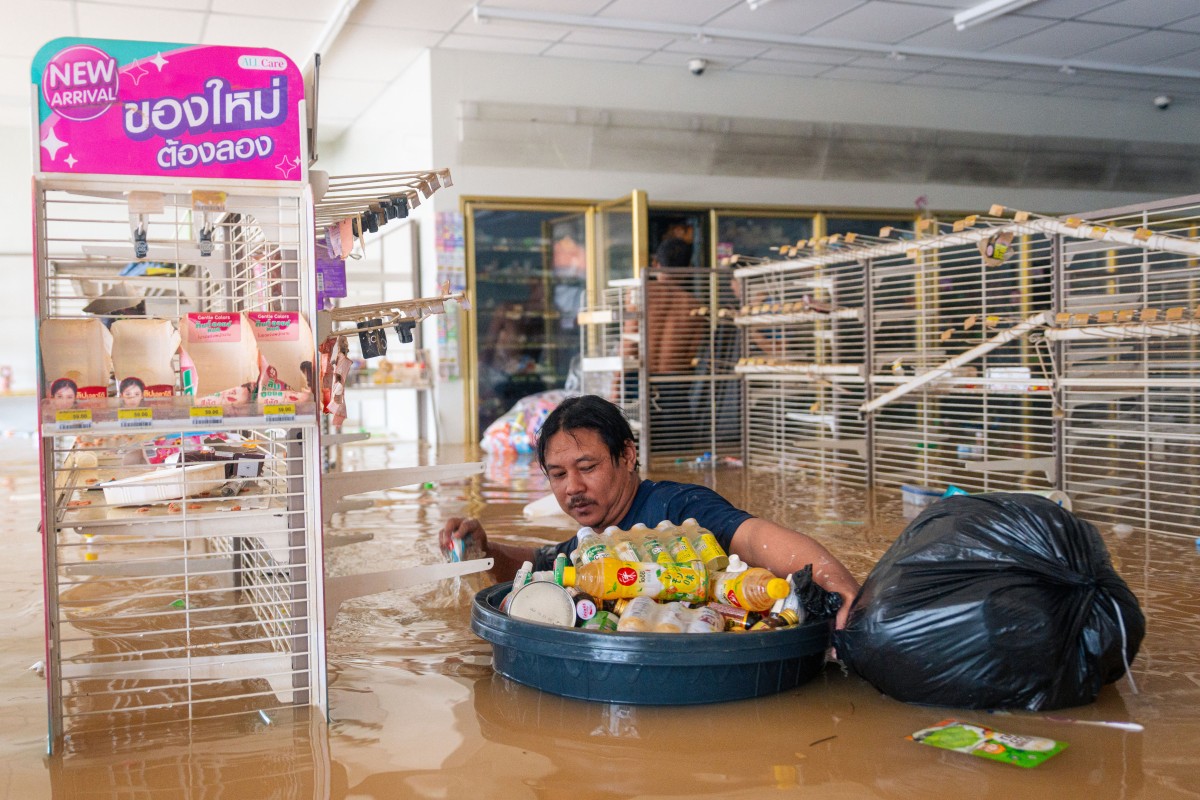
A series of devastating floods and landslides have wreaked havoc across South and Southeast Asia, causing widespread loss of life, displacement, and significant damage. Authorities in Sri Lanka, Indonesia, and Thailand are engaged in urgent efforts to clear debris and locate hundreds of missing individuals, with the cumulative death toll exceeding 900. This catastrophic event has been attributed to heavy monsoon rains, exacerbated by a tropical storm, highlighting the severe impact of the climate crisis on storm patterns and extreme weather events, which have left thousands stranded without shelter or critical supplies.
In Sri Lanka, the death toll from floods and landslides caused by Cyclone Ditwah has risen sharply to 334, with many more reported missing. Low-lying areas of the capital, Colombo, remain submerged, and nearly 148,000 people have been displaced into temporary shelters. President Anura Kumara Dissanayake declared a state of emergency, vowing to rebuild the nation with international support, acknowledging this as the largest and most challenging natural disaster in the country’s history in two decades, since the 2004 tsunami. Relief workers are contending with roads blocked by fallen trees and mudslides to assess the full extent of damage in the worst-affected central region. The cyclone is projected to move towards India’s southern coast.
Indonesia has also been severely impacted, reporting over 442 deaths and 402 missing persons. Authorities face immense challenges in reaching some of Sumatra island’s hardest-hit areas, where thousands are stranded without essential supplies. Residents, like Afrianti in West Sumatra, recounted harrowing experiences of losing homes and businesses to rising waters, prompting instances of looting by desperate individuals worried about starvation before logistical aid could arrive. Rescue efforts have been hampered by adverse weather and a lack of heavy equipment, with aid reaching areas like Sibolga and Central Tapanuli district slowly. Amidst the destruction, an endangered Sumatran elephant was found buried in thick mud, and survivors frantically waved for aid from helicopters.
In Thailand, at least 162 fatalities have been recorded, marking one of the worst floods in a decade. The Thai government has implemented relief measures, including compensation for affected households. However, public criticism regarding the flood response has mounted, leading to the suspension of two local officials for alleged failures. The annual monsoon season, typically from June to September, often brings heavy rains, but this year’s conditions, intensified by a tropical storm, have resulted in unprecedented tolls and widespread damage to infrastructure, including cars and motorbikes submerged in thick mud.
Beyond the immediate humanitarian crisis, the severe flooding has significantly impacted administrative processes. Due to flooding in several provinces, the Election Commission (EC) has been forced to postpone the registration period for the President SAO (Sub-district Administrative Organization) and SAO Council Members elections. Initially slated for December 1–5, 2025, the period cannot proceed as planned. The EC instructed Provincial EC Offices to coordinate with Election Directors in affected areas, resulting in the postponement of registration in Songkhla, Satun, Pattani, and Narathiwat provinces. The Election Director of the SAO in flood-affected areas is required to announce the holding of the election on December 2, 2025, with a new registration period set for December 8–12, 2025. The date for the draft election announcement may be adjusted as deemed appropriate, with reports required to be submitted to the Office of the EC.