Olympic Ski Jump Controversy: Risks of Penile Hyaluronic Acid Injections Under Scrutiny
WADA investigates claims that Olympic ski jumpers may have used hyaluronic acid injections to improve performance. Experts warn of severe health risks including infection, disfigurement, and gangrene.
The World Anti-Doping Agency (WADA) is investigating claims that Olympic ski jumpers may have injected hyaluronic acid into their penises to gain a competitive edge, a controversial practice dubbed “penisgate.”
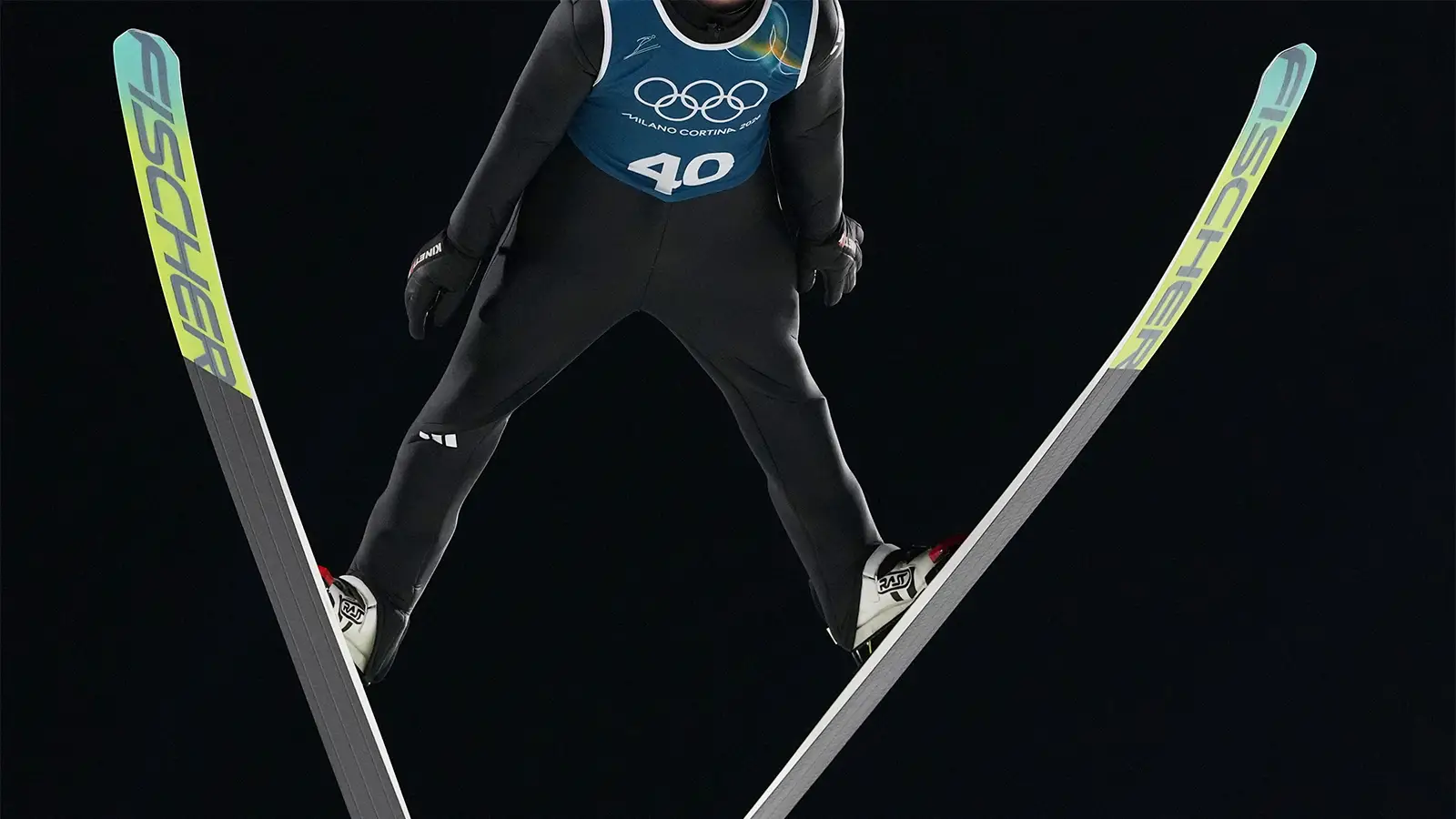
Allegations first appeared in the German newspaper Bild, which reported that athletes might be using this aesthetic filler to alter suit fit and improve aerodynamic performance.
The underlying theory is that a larger penis requires a slightly bigger suit. Sandro Pertile, men’s race director for the International Ski and Snowboard Federation (FIS), explained: “Every extra centimeter on a suit counts. If your suit has a 5 percent bigger surface area, you fly further.”
Pertile acknowledged the sport’s intense competitiveness, stating that athletes constantly push the limits of regulations in pursuit of victory.
Hyaluronic acid, a naturally occurring molecule widely used in anti-aging treatments, can increase penile girth when injected into the soft tissue under the skin.
Dr. Shirin Lakhani, an aesthetics physician at Elite Aesthetics, noted that a single hyaluronic acid molecule can hold up to 1,000 times its weight in water, creating volume and structure. Injections can also stimulate new tissue growth and improve blood flow, potentially enhancing erectile function.
To maintain results, treatments must be repeated every six to twelve months, with costs around £3,000 per session in the UK.
However, medical experts warn of serious risks. If injected incorrectly particularly into a blood vessel, complications may include infection, inflammation, granulomas, sensory changes, erectile dysfunction, and even gangrene.
In extreme cases documented in Japan in 2021, gangrene required surgical debridement, and amputation was necessary in severe instances.
Dr. Lakhani cautions, “Anyone offering penile fillers at a cost that seems too good to be true, or promising unrealistic results, should be avoided.”
While some procedures combine hyaluronic acid with platelet-rich plasma (PRP) to encourage natural tissue repair, these methods do not eliminate inherent dangers.
FIS communications director Bruno Sassi stressed: “There has never been any indication, let alone evidence, that any competitor has used a hyaluronic acid injection to attempt to gain a competitive advantage.”
The “penisgate” allegations highlight the extreme measures athletes might consider in pursuit of victory, set against significant health risks and ongoing anti-doping scrutiny.