South Africa Erupts: Anti-Immigrant Fury, Mass Repatriations, and Police Deployments Grip Nation
South Africa is experiencing a significant surge in anti-immigrant tensions, culminating in an unofficial June 30th deadline for undocumented foreign nationals to leave. This has led to mass repatriations, heightened security, and violence, with thousands fleeing and African nations evacuating their citizens. The crisis highlights deep-seated socio-economic issues and political pressures ahead of local elections.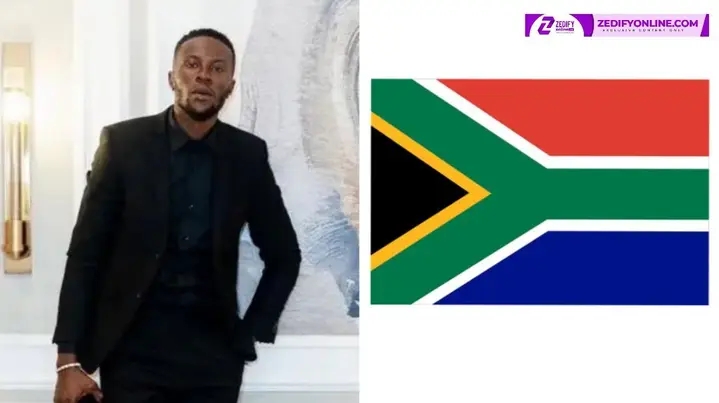
South Africa is grappling with escalating anti-immigrant tensions, marked by an unofficial June 30th deadline set by citizen-led groups for undocumented foreign nationals to leave the country. This growing unrest has sparked a significant humanitarian crisis, prompting widespread repatriations and a massive security deployment to prevent further violence. The situation has drawn international concern, with neighboring African nations taking steps to evacuate their citizens.
Reports indicate a painful surge in anti-immigrant brutality and murders, with at least four foreign nationals confirmed dead, including two Mozambicans, an Ethiopian, and a Malawian. Beyond the immediate violence, the repercussions are felt across the continent, as artist managers, such as Zambian DJ Kandeke, urge promoters to cease booking South African artists. Zimbabweans, for instance, are calling for the cancellation of Mafikizolo's scheduled performance in Victoria Falls in July 2026, citing the ongoing anti-immigrant sentiment. Bookings for South African artists around Africa have reportedly been declining since early this year, a trend expected to worsen as tensions persist.
In response to the volatile environment, thousands of foreign nationals have sought refuge or repatriation. The Border Management Authority (BMA) and the National Joint Operational and Intelligence Structure (NATJOINTS) reported that over 25,000 people have been repatriated in recent weeks. This includes approximately 15,000 Malawians, nearly 988 Ghanaians, and about 600 Nigerians who have left by plane or bus. The Kenyan State Department for Diaspora Affairs confirmed the repatriation of 26 Kenyans, with another 60 expected, while Uganda announced an evacuation plan for nearly 750 of its citizens. Migrants from various countries, including Malawi and Zimbabwe, have gathered in makeshift encampments in cities like Durban, Cape Town, and Johannesburg, enduring poor conditions while awaiting transport home. Many have been evicted by landlords or fired by employers fearing fines or attacks by vigilante groups, highlighting the severe personal impact of the crisis.
The South African government has reacted with a large-scale security deployment across the country to head off unrest and prevent looting. President Cyril Ramaphosa urged demonstrators to act without 'intimidation, threats or ultimatums,' emphasizing the rights of lawful foreign nationals who contribute positively to society. He stressed that the right to protest does not permit violence or threats. The premier of KwaZulu-Natal province, Thami Ntuli, unequivocally stated that the province would not be 'set alight a second time,' referencing the July 2021 unrest. Police have been highly visible in major streets, closing shops near planned protest sites, and have arrested at least 195 suspects since March 1 for hostility toward foreigners, along with ten others for looting in Soweto and Hammarsdale.
Citizen-led groups such as "March and March" and Operation Dudula have been vocal in their demands for undocumented foreign nationals to leave, accusing them of taking jobs, committing crimes, and straining public resources in a country grappling with an unemployment rate above 30 percent. Jacinta Ngobese-Zuma, leader of the "March and March" group, announced a "rolling mass action" until all undocumented foreign nationals are deported, though she claimed they were not calling for violence. However, analysts like labour expert Dale McKinley argue that these groups are 'scapegoating' foreign nationals, diverting attention from deeper issues of governance, corruption, and mismanagement. McKinley suggests that the anti-migrant push has been 'politically weaponized' ahead of local government elections scheduled for November, exploiting public frustrations for electoral gain.
South Africa has a documented history of deadly xenophobic violence. In 2008, riots killed 62 people, and the July 2021 unrest, sparked by the jailing of former president Jacob Zuma, led to around 350 deaths, though the latter was more about general looting and riots. The current situation marks the first time that multiple African governments have simultaneously organized mass repatriations of their nationals. Despite calls for peaceful protest, the deployment of police to monitor anti-migrant marches and the ban on traditional weapons underscore the ongoing concerns about potential escalation and the need for vigilance among citizens still residing in affected areas.