Malawi Stun Super Falcons 3-2 in Historic WAFCON Upset
Tournament debutants Malawi shocked defending champions Nigeria 3-2 in their opening Group C match at the 2026 Women's Africa Cup of Nations, handing the Super Falcons one of their biggest-ever WAFCON defeats.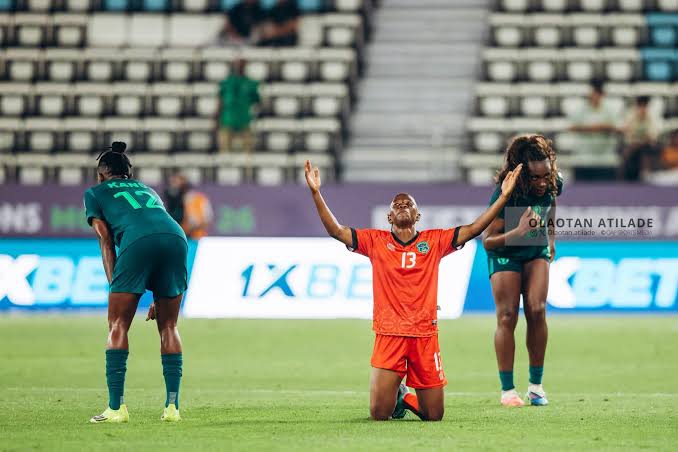
Nigeria's Super Falcons suffered one of the biggest upsets in the history of the Women's Africa Cup of Nations (WAFCON) after losing 3-2 to tournament debutants Malawi in their opening Group C match in Rabat, Morocco. The result leaves the defending champions under immediate pressure in the race for a place in the quarter-finals.
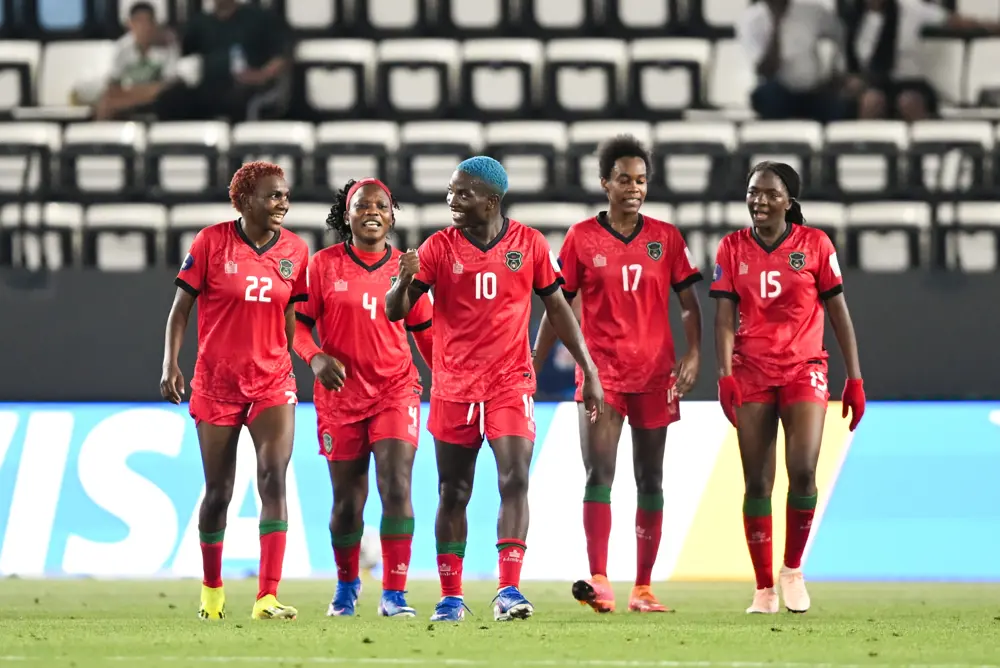
The historic victory was inspired by the Chawinga sisters, with Temwa Chawinga scoring twice and Tabitha Chawinga adding the other goal to hand Malawi a dream start in their maiden WAFCON appearance. Temwa opened the scoring in the 73rd minute before Tabitha doubled the lead six minutes later.
Nigeria captain Rasheedat Ajibade converted a late penalty to reduce the deficit, but Temwa restored Malawi's two-goal advantage moments later with a clinical finish on the counterattack. Uchenna Kanu scored deep into stoppage time, but the Super Falcons were unable to complete the comeback.
The defeat marked the first time a WAFCON debutant has beaten Nigeria at the tournament, ending the Super Falcons' long-standing dominance over first-time participants. Malawi had entered the competition as one of only two debutants in the expanded 16-team tournament.
After the match, head coach Justin Madugu defended his tactical decisions, insisting that deploying some players outside their preferred positions was not responsible for the defeat. He argued that similar tactical adjustments had worked successfully in previous competitions and praised the performances of several players despite the result.
However, Nigeria's defensive organisation came under intense scrutiny. Malawi consistently exploited the spaces left behind the Super Falcons' advancing full-backs, allowing the pace of Temwa and Tabitha Chawinga to cause problems throughout the second half.
Although Nigeria dominated possession for long periods, they struggled to create clear scoring opportunities. Malawi remained compact defensively and executed their counterattacking strategy with discipline and precision, frustrating the African champions.
The result also highlighted concerns over Nigeria's preparations for the tournament. Several players joined the squad at different stages before the competition, and the team appeared to lack rhythm and cohesion in key moments.
Malawi's victory represents one of the greatest moments in the country's women's football history. Led by head coach Lovemore Fazili, the Scorchers entered the tournament determined to make an impression and have now announced themselves as genuine contenders in Group C. The Malawi squad and tournament preparations were confirmed by the Football Association of Malawi.
Nigeria must now respond quickly when they face Zambia in a crucial second group match. With the Copper Queens among the tournament favourites, another setback would leave the Super Falcons' hopes of winning a record-extending 11th WAFCON title hanging in the balance.