Ghana’s 2026 SHS Placement Crisis Deepens as Category A Demand Surges
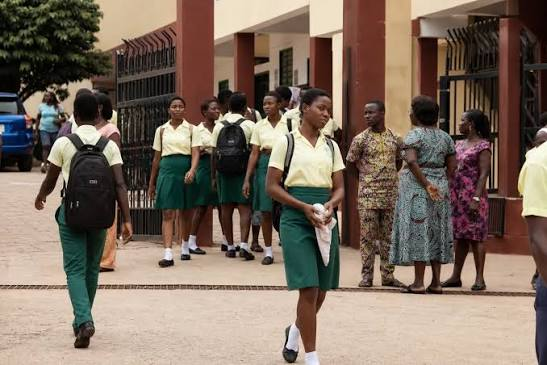
Ghana’s 2026 SHS placement crisis intensifies as demand for Category A schools far exceeds available spaces, prompting calls to reform the CSSPS and improve education quality nationwide.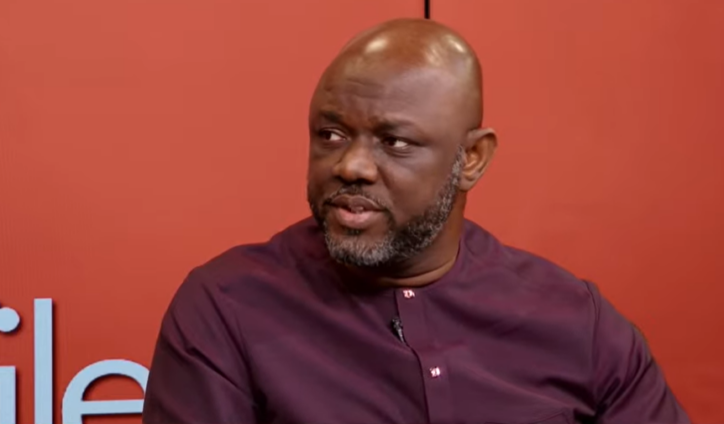
Ghana's Senior High School (SHS) placement system is currently facing a significant crisis, sparking intense debate among educators, government officials, and the public.
Key stakeholders are calling for a shift in focus from mere school categorization to improving the overall quality of education across all institutions, alongside addressing the structural issues within the Computerised School Selection and Placement System (CSSPS).
Ben Boakye, Executive Director of the Africa Centre for Energy Policy (ACEP), has urged the government to prioritize enhancing the quality of education in every senior high school.
He argues that the debate should move beyond the classification of schools into Category A, B, or C, and instead concentrate on ensuring all schools possess the necessary teachers, facilities, and support for delivering quality education.
Boakye dismissed the notion of maintaining a categorization system without simultaneously improving educational standards nationwide, stating, “I don't see how we should lock ourselves into categories of schools and not improve quality of education at all levels.”
He emphasized the need for capable teachers in all schools and a broader approach to assessing students, particularly at the Junior High School (JHS) level, stressing that every child should have the opportunity to attend school and develop their abilities, regardless of early academic performance.
The challenges of the 2026 SHS placement exercise have been largely attributed to changes in the established placement model, according to Dr. Kwabena Bempah Tandoh, former Deputy Director-General of the Ghana Education Service (GES).

Dr. Tandoh highlighted modifications to student selection, eligibility requirements, and an increase in the number of Category A schools candidates could choose. Historically, Ghana's secondary school placement system has balanced student choice with available spaces. While the introduction of the CSSPS in 2005 modernized the process, cut-off points remained crucial due to capacity limitations.
The Free SHS initiative in 2017 aimed to expand access, with exclusions typically limited to students failing both English Language and Mathematics. However, Dr. Tandoh criticized the uncommunicated and unconsulted change in eligibility rules for 2026, which initially disqualified approximately 55,000 candidates before a reversal allowing self-placement.
A major point of contention identified by Dr. Tandoh was the decision to allow students to select two Category A schools, a change from the previous arrangement of only one. This change, he argued, significantly inflated demand for a limited number of coveted places.
While Category A schools had only about 76,417 available places, approximately 313,000 students selected them. Dr. Tandoh also criticized the communication that students with aggregates between six and 10 could access Category A schools, as it created unrealistic expectations given the severe capacity constraints.
He maintained that admission to SHS must balance choice with merit, illustrating with an example of a school having 1,300 overall vacancies but only 200 for a specific program like Science, attracting 5,000 first-choice applicants. He concluded that the 2026 crisis stemmed from policy changes, increased pressure on Category A schools, and inadequate communication.
Education Minister Haruna Iddrisu acknowledged the challenges but sought to contextualize the situation. He confirmed that between 313,000 and 328,000 students applied for Category A SHSs, against only 76,000 available places, underscoring the intense competition.
While admitting to a national problem, Mr. Iddrisu stated that the figure of '55,000 affected candidates' did not solely represent unplaced students, clarifying that 527,000 out of 604,000 students (87%) had been placed.
He emphasized that vacancies still exist across the SHS system, though many are not in the highly preferred Category A schools. The Minister defended a new policy requiring students to wait for their examination results before making school choices, aiming to foster more informed decisions and better alignment between academic performance and available places.
However, the Education Minister's claim of inheriting the CSSPS has been challenged by Yaw Opoku Mensah, spokesperson for a former Education Minister. Mensah asserted that the current application, COLDSIS, was a new, third-party system introduced under the current administration in 2025 for the 2026 placement exercise, rather than an inherited one.
He argued that the government must take responsibility for both the successes and shortcomings of this new application, calling for transparency and accountability instead of attributing current challenges to past administrations. Mensah urged the Education Minister to accept responsibility, stating, “Take the credit when it works. Take responsibility when it fails.”
The ongoing debate highlights a complex interplay of systemic issues, policy changes, and societal expectations. Experts and officials agree on the need for comprehensive reforms that go beyond temporary fixes.
Ensuring equitable access to quality education, aligning student choices with realistic capacity, fostering transparent communication, and strengthening all secondary schools to deliver effective training are crucial steps towards resolving Ghana's persistent SHS placement challenges and building the nation's human capital.