Shockwave! Prime Video Unleashes 'Most Controversial NC-17 Movie Ever'
The entertainment landscape features both controversial cinema and interactive thrills, from the detailed history of Paul Verhoeven's cult classic NC-17 film "Showgirls" to an engaging quiz determining one's survival odds against iconic horror villains like Jason Voorhees and Freddy Krueger.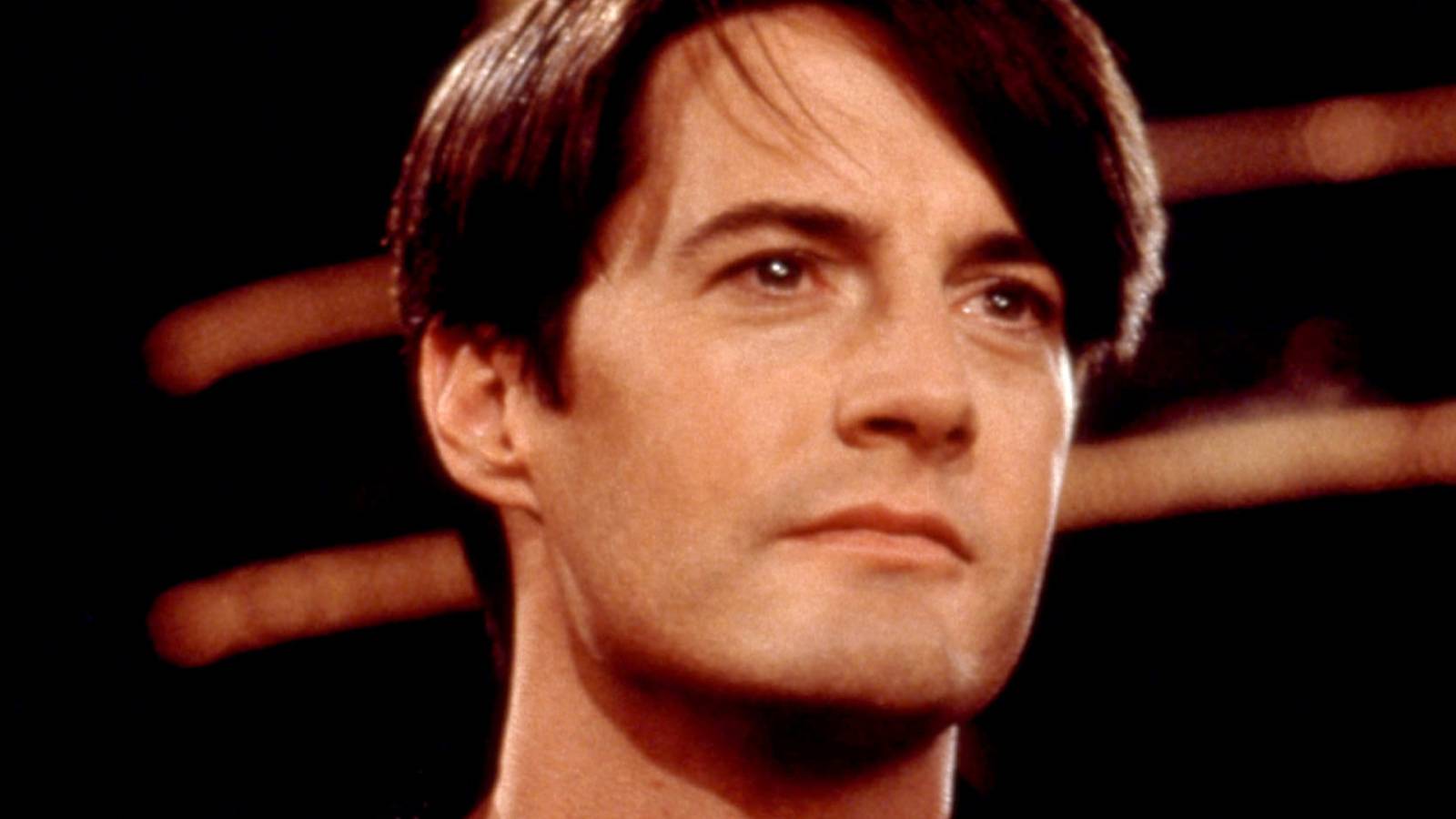
Recent years have seen a resurgence in mainstream entertainment categories previously thought to be lost, with successful adult-oriented films demonstrating a market for diverse content. This brings to mind specific cinematic events, such as the 1995 release of "Showgirls," a movie that was both massively expensive for its time and highly controversial due to its NC-17 rating.
Directed by Paul Verhoeven, known for hits like "RoboCop," "Total Recall," and "Basic Instinct," "Showgirls" was an unprecedented cinematic undertaking. Produced for a staggering $45 million in 1995—a budget exceeding that of many successful films decades later—it was met with overwhelmingly negative reception upon its release and bombed at the box office. MGM even took unusual steps, dispatching representatives to theaters to prevent underage viewers from sneaking in, highlighting the extreme nature of its NC-17 rating, which was as rare then as it is today. Despite its initial failure, "Showgirls" has since developed a significant cult following, evolving into an object of curiosity. The film, starring Elizabeth Berkley, Gina Gershon, and Kyle MacLachlan, grossed around $37 million theatrically but reportedly earned over $100 million through home video releases. It is now available to stream on Prime Video in the United States, allowing new audiences to discover its unique, often debated qualities, reflected in its 24% Rotten Tomatoes score and the consensus describing it as "Vile, contemptible, garish, and misogynistic — and that might just be exactly Showgirls' point." The NC-17 rating, while generating publicity, also alienated mainstream audiences, a challenge still faced by recent NC-17 films like "Blonde" and "Blue Is the Warmest Color."
Beyond cinematic discussions, the realm of interactive entertainment offers engaging content, exemplified by a horror survival quiz. This quiz challenges participants to determine their best chance of surviving against five iconic horror villains: Jason Voorhees, Michael Myers, Freddy Krueger, Pennywise, and Chucky. Through eight questions, covering instinct, environment, personal strengths, fears, group dynamics, common horror movie mistakes, and advantages, the quiz assesses a user's particular set of instincts and survival qualities.
Each villain presents a distinct survival challenge. Against Jason Voorhees of "Friday the 13th" and Camp Crystal Lake, survival hinges on exploiting his predictability. Jason is relentless and moves in straight lines but lacks strategy or adaptability. A survivor's ability to keep moving, utilize the environment (terrain, water, distance), and resist panic gives an edge against his brute persistence, effectively outmaneuvering his expected path.
Michael Myers, the silent stalker of Haddonfield from "Halloween," is patient, methodical, and almost undetectable until it's too late. However, a keen observer with strong spatial awareness and an instinct to notice subtle anomalies—like a misplaced car or unusual silence—can detect his presence before it escalates. Michael's power lies in the 'invisibility' of ordinary suburbia, making those who actively map their surroundings and exits less likely victims.
Freddy Krueger from "A Nightmare on Elm Street" operates by invading and weaponizing a victim's mind, fears, and memories. Survival against Freddy relies on psychological resilience and the ability to remain grounded when reality becomes unreliable. Those who have faced their inner demons and refuse to give in to fear undermine Freddy's primary weapon, as his power diminishes in the absence of terror.
Pennywise, the ancient, shapeshifting entity from "It" in Derry, Maine, feeds on terror. Its critical vulnerability is an inability to function against someone who genuinely stops being afraid. Survivors are those who confront their fears directly, ask uncomfortable questions, and refuse to let fear fester in the dark. This directness negates Pennywise's power, rendering the fear it feeds on taste like nothing at all.
Finally, Chucky from "Child's Play" thrives on being underestimated, exploiting the gap between his seemingly harmless appearance and his deadly reality. A survivor against Chucky possesses strong skepticism, taking threats seriously regardless of their presentation, and closes the delay between recognition and response quickly. Refusing to dismiss a threat due to its size or absurdity, and not laughing it off, is key to overcoming Chucky's surprise-based attacks.