Shocking UN Report Details Brutal Sexual Violence Crisis in Sudan
A new UN Human Rights report exposes the horrifying scale and brutality of conflict-related sexual violence in Sudan since April 2023, revealing it as a pervasive weapon of war. Documenting hundreds of incidents across 16 states, primarily by the RSF, the report underscores profound impacts on victims and communities, urging immediate justice and accountability to prevent long-term societal damage.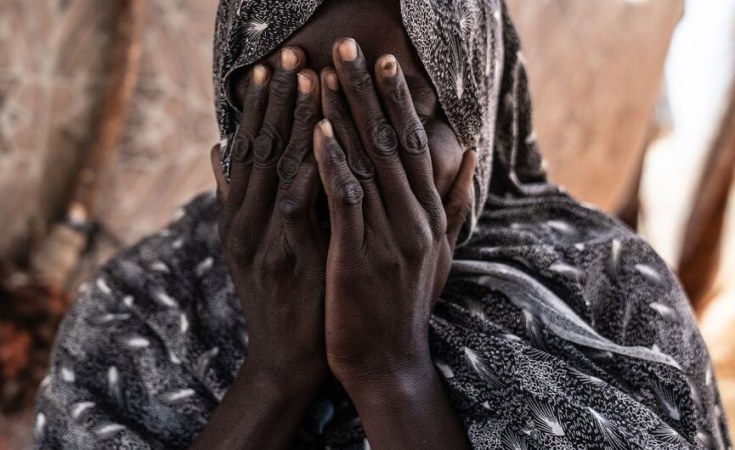
A new report from the UN Human Rights (OHCHR), published yesterday, meticulously details the severe brutality and extensive scale of conflict-related sexual violence in Sudan since the war erupted in April 2023. This violence, which has spread geographically with the conflict and along displacement routes, is consistently employed as a tactic to terrorise and traumatise the civilian population. The report unequivocally states that if the patterns and profound impacts of conflict-related sexual violence are not addressed through justice, victim-centred responses, and efforts to combat stigma and discrimination, the prospects for peace and social cohesion in Sudan risk being critically undermined for years to come. UN High Commissioner for Human Rights Volker Türk underscored the gravity of the situation, warning, “sexual violence is being used as a weapon of war. This is a war crime and, if committed as part of a widespread or systematic attack, a crime against humanity.”
In Darfur, the report finds reasonable grounds to believe that certain acts of sexual violence, perpetrated within a widespread and systematic attack against civilians, may indeed constitute crimes against humanity. From the conflict’s onset to mid-April this year, the OHCHR verified 546 incidents of conflict-related sexual violence across 16 of Sudan’s 18 states, affecting at least 838 victims. These victims include 539 women, 284 girls, eight men, and seven boys. The report cautions that these figures represent only a fraction of the actual magnitude, as persistent underreporting obscures the full scale of sexual violence prevalence.
The majority of verified incidents were attributed to men in Rapid Support Forces (RSF) uniforms, along with their affiliates and Arab militias. However, incidents have also been linked to the Sudanese Armed Forces (SAF), affiliated security actors, the Joint Forces, other armed movements, and various armed militias. The report highlights that sexual violence has been systematically perpetrated in conjunction with coordinated attacks on civilians, functioning as a deliberate tactic of war. Documented forms of sexual violence by the OHCHR include rape and gang rape, sexual slavery, forced marriage, forced prostitution, sexual torture, and trafficking for the purpose of sexual violence.
Alarmingly, nearly a quarter of the documented incidents involved gang rape, with one specific attack detailing at least 10 perpetrators raping a single girl. Repeated patterns include the use of sexual violence to control civilian movement, abductions linked to sexual violence, sexual slavery, and sexual violence within detention settings. The OHCHR has documented cases of at least 85 women and girls held in sexual slavery, forced into domestic labour and compelled to generate income. The report also tragically documents the deaths of at least 13 victims—women, men, and children—primarily following brutal gang rapes. The youngest victim was a nine-year-old. Many more survivors suffered serious medical complications, exacerbated by the catastrophic absence of functioning health facilities. At least 59 women and girls became pregnant or bore children as a direct result of rape.
Sexual violence is also used as retaliation based on perceived affiliations with specific parties and is evident in ethnically motivated attacks. Numerous ethnic Masalit victims from West Darfur recounted attackers inquiring about their tribal identity before raping them, with reported threats like, “This year, all of you Masalit girls will deliver our children,” and “If you are Masalit, we will slaughter you today” in 2023. Volker Türk called for prompt, independent, and impartial investigations into these acts of sexual violence to ensure accountability, stating, “Persistent impunity is clearly deepening harms and reinforcing cycles of violations and abuses.” He demanded that all perpetrators, including those with command responsibility, be held fully accountable, and victims must be guaranteed access to effective remedies, including reparations. The report urges conflict parties to implement concrete, verifiable measures to prevent sexual violence and calls upon the international community to keep justice and accountability central to their efforts toward a ceasefire and conflict resolution.
This pattern of violence has been developing for two decades. Prominent Sudan scholar Professor Eric Reeves, co-chair of Team Zamzam, points out a reluctance to confront the reality of rape in Darfur and other parts of Sudan as the war expanded with the RSF. Team Zamzam, a group providing counseling to sexual violence victims, commenced operations in the vast Zamzam camp for displaced people near El Fasher. Following the camp’s near obliteration during the RSF ground offensive in April 2025, the group shifted most of its operations to assist Sudanese refugees in eastern Chad, serving as one of the few resources for girls and women traumatised by sexual violence and abuse. The fall of El Fasher in late 2025, marked by mass rape, also saw a brutal attack by the RSF on the Saudi Maternity Hospital, where approximately 460 people, many of whom were patients, were killed.
Further corroborating these findings, a report titled “There is something I want to tell you…” by Médecins Sans Frontières / Doctors Without Borders (MSF), published in March 2026 and previously covered by Radio Dabanga, documented widespread and systematic sexual violence across roads, fields, and displacement camps in Darfur, impacting both acute conflict zones and areas far from the front lines. Ruth Kauffman, MSF Emergency Health Manager, noted at the time, “Sexual violence is a defining feature of this conflict — not confined to frontlines, but pervasive across communities… this war is being fought on the backs and bodies of women and girls.”