Senate's Bold Move: New Bill Unveiled to Revolutionize Healthcare Funding and Combat Non-Communicable Diseases
Nigeria's Senate has passed a new bill to bolster healthcare financing and address the rising burden of non-communicable diseases. The legislation replaces a fixed excise duty on sugar-sweetened beverages with a percentage-based levy, with generated revenue dedicated to health promotion, disease prevention, and expanded health insurance for vulnerable citizens. This strategic intervention seeks to save lives and ensure sustainable funding for the nation's health sector.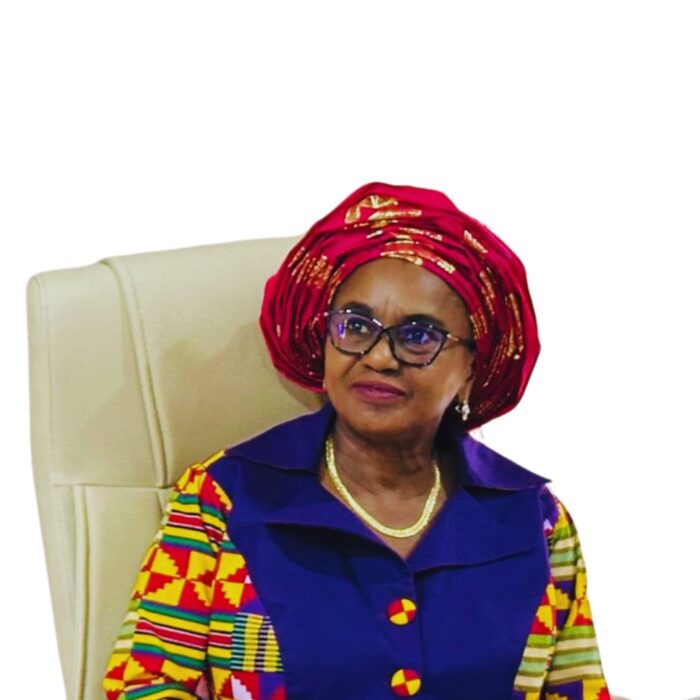
The Nigerian Senate has successfully passed the Customs, Excise Tariff, etc. (Consolidation) Act (Amendment) Bill, 2025, marking a significant legislative step towards strengthening healthcare financing and actively addressing the growing burden of non-communicable diseases (NCDs) within the country. This crucial piece of legislation, championed by Senator Ipalibo Harry Banigo, who chairs the Senate Committee on Health (Secondary and Tertiary), received its Third Reading approval during a plenary session held on Wednesday in Abuja.
Lawmakers emphasized that this bill represents a pivotal moment in improving access to quality healthcare services and ensuring the sustainable funding necessary for Nigeria’s health sector. This is particularly vital given the escalating health challenges that are increasingly linked to lifestyle-related diseases across the nation. A core provision of the bill is the amendment of Section 21(3) of the existing Customs, Excise Tariff Act. This amendment replaces the previously fixed ₦10 per litre excise duty on sugar-sweetened beverages (SSBs) with a new, percentage-based levy directly tied to their retail prices.
Furthermore, the legislation establishes a robust framework for effectively channeling the revenue generated from this new levy. These funds are earmarked for critical health initiatives, including comprehensive health promotion campaigns, widespread disease prevention programs, significant development of primary healthcare infrastructure, and the expansion of health insurance coverage to reach vulnerable Nigerians who need it most. Senator Banigo articulated the profound importance of the legislation, describing it as a strategic public health intervention fundamentally designed to save lives and secure the long-term financial stability of healthcare in Nigeria.
“This legislation is fundamentally about saving lives, preventing disease, and securing the future of healthcare financing in Nigeria,” Senator Banigo stated, drawing upon her extensive experience. She added, “As a medical doctor and public health advocate, I have witnessed firsthand the devastating impact of preventable non-communicable diseases on Nigerian families.” She further highlighted that the bill offers an evidence-based approach that not only encourages healthier consumption patterns among the populace but also concurrently generates essential resources to robustly support the nation’s health system.
The Senate’s deliberations acknowledged Nigeria’s concerning trend of a steady rise in conditions such as diabetes, hypertension, obesity, and various cardiovascular diseases. These NCDs are increasingly placing immense strain on both individual households and the national health system as a whole. A detailed committee report presented to lawmakers underscored that the prior ₦10 per litre excise duty had been significantly eroded by persistent inflation, thereby diminishing its effectiveness as both a public health deterrent and a reliable source of revenue.
The report also referenced compelling international examples from countries like Mexico, South Africa, and the United Kingdom, where the implementation of sugar taxes has demonstrably contributed to a reduction in consumption of SSBs and resulted in improved public health outcomes. This legislation aligns seamlessly with broader national efforts to reduce Nigeria’s dependence on external health funding by boosting domestic resource mobilization specifically for healthcare investment. It is anticipated to generate dedicated funding streams for vital preventive healthcare programs, essential health infrastructure development, and expanded access to health insurance for low-income Nigerians.
Throughout its development and consultation phases, the bill reportedly garnered strong support from a diverse array of public health stakeholders, including various government agencies, prominent civil society groups, and relevant industry representatives. With the Senate’s approval now secured, this legislation is poised to advance as an integral component of comprehensive reforms aimed at strengthening Nigeria’s entire healthcare financing framework and ultimately improving national health outcomes for all citizens.