Félicien Kabuga Dies at 93 Before Genocide Trial Could Be Concluded
Félicien Kabuga, a key financier of the 1994 Rwandan genocide, has died at 93 in The Hague, leaving victims' families with a profound sense of denied justice. His death marks a painful interruption to documenting his alleged role in the atrocity, for which he was accused of promoting hate speech and arming militias. An inquiry into the circumstances of his death has been ordered by the U.N. court.
Félicien Kabuga, one of the most prominent suspects linked to the 1994 Rwandan genocide, has died at the age of 93 in a hospital in The Hague, according to the International Residual Mechanism for Criminal Tribunals (IRMCT).
His death brings an end to one of the longest-running international efforts to prosecute alleged perpetrators of the genocide, but leaves many survivors and victims’ families without a final judicial verdict. The case remained unresolved after proceedings were suspended due to concerns over Kabuga’s health.
Kabuga was accused by prosecutors of financing and supporting activities linked to the genocide, during which more than 800,000 people, primarily Tutsis and moderate Hutus, were killed over a period of approximately 100 days in Rwanda.
Among the allegations against him were claims that he helped fund extremist groups and used media outlets, including Radio Télévision Libre des Mille Collines, to promote messages that fueled ethnic violence. Kabuga denied the charges brought against him.
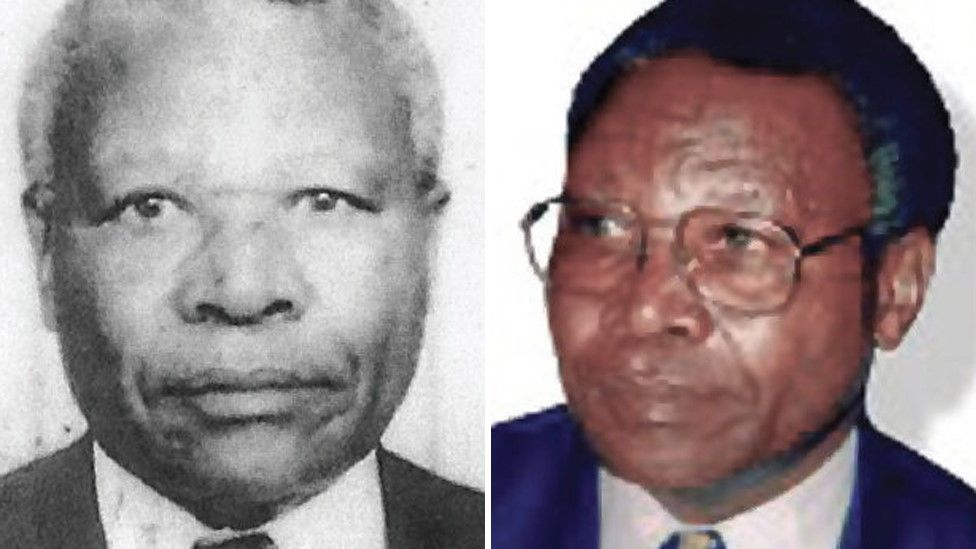
After spending more than two decades as a fugitive, Kabuga was arrested in France in 2020 following an international manhunt. He was later transferred to The Hague to face proceedings before the U.N.-backed tribunal.
However, medical assessments eventually found him unfit to stand trial because of advanced dementia and other serious health conditions. As a result, the court suspended the case and placed him under a modified legal process that stopped short of a full criminal trial.
His death means the allegations against him will never be tested through a final judgment. For many survivors, the absence of a verdict leaves lingering questions about accountability and the full extent of responsibility for one of the darkest chapters in modern African history.
The IRMCT said an inquiry has been ordered into the circumstances surrounding Kabuga’s death. The tribunal continues to oversee remaining matters arising from the former U.N. criminal tribunals for Rwanda and the former Yugoslavia.
While Kabuga’s death closes a significant chapter in the pursuit of genocide suspects, the legacy of the 1994 genocide remains a central issue in Rwanda’s national memory and ongoing efforts toward justice, reconciliation and historical accountability.