Russia Shakes Up Crypto Landscape with New Exchange Regulations and Payment Ban
Russian President Vladimir Putin has signed a law to regulate digital currencies, restricting retail investors and prohibiting crypto as a domestic payment method. Despite earlier pro-Bitcoin statements from Putin, the new law tightens control, though it permits crypto for international trade and mining-related settlements.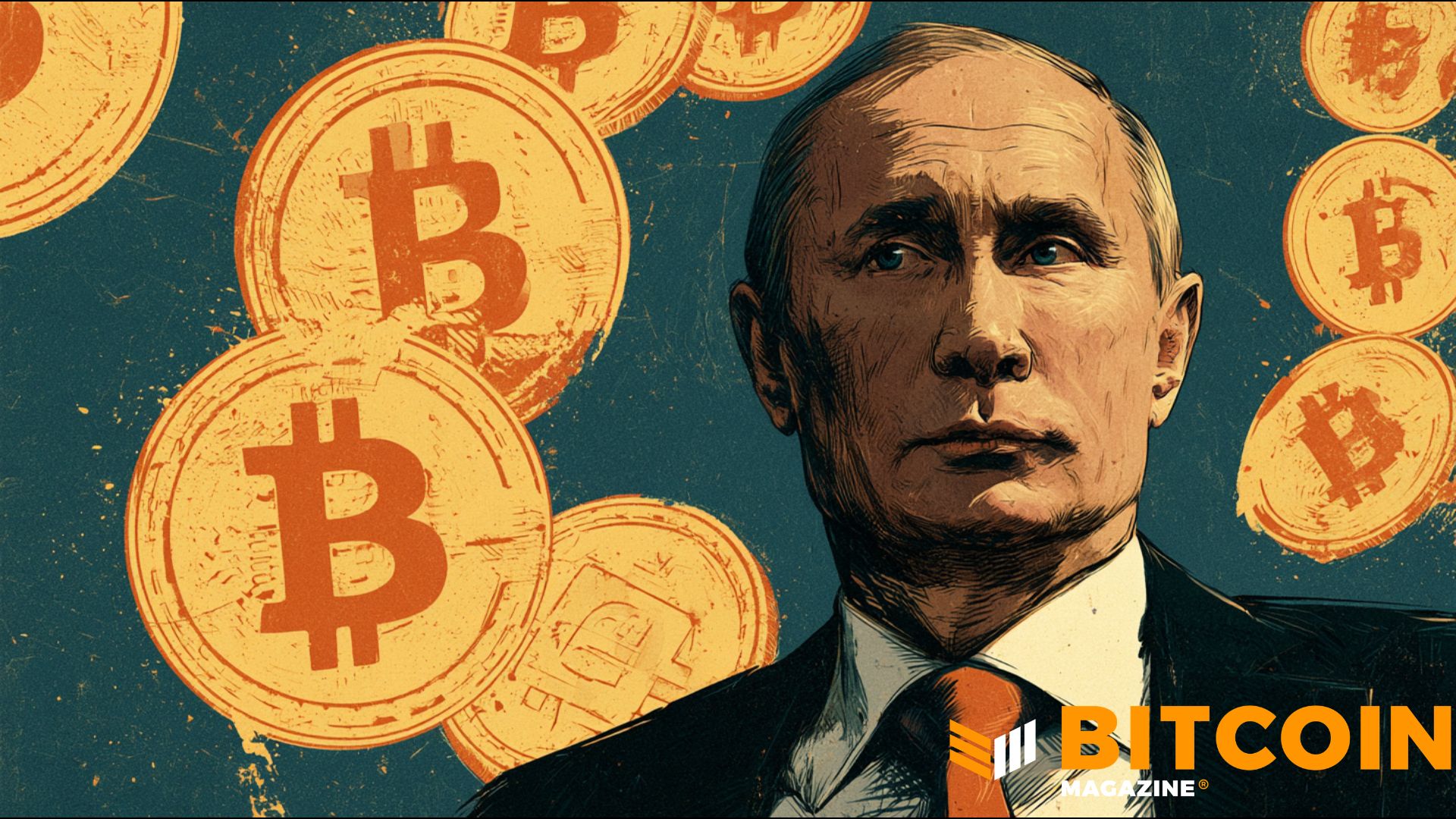
Russian President Vladimir Putin has reportedly enacted a new law designed to solidify the regulation of digital currencies and digital rights within the country. However, this legislation does not permit the use of Bitcoin or other cryptocurrencies as a means of payment for goods and services domestically. According to a report by news agency Tass, the new legal framework stipulates that only registered entities are authorized to operate as cryptocurrency exchanges within Russia, imposing strict limitations on retail investors.
Under the new law, retail investors are restricted to trading only the most liquid cryptocurrencies, with an annual cap of 300,000 rubles (approximately $3,700). In contrast, qualified investors face no such restrictions. Despite these provisions, the law explicitly continues to prohibit digital currencies and digital rights from being used as a form of payment or legal tender within Russia, a stance that has been in effect since 2022. The legislation does, however, permit the use of digital currencies for settlements under foreign trade contracts between residents and non-residents, and by those involved in crypto mining.
For several years, Russian regulators, lawmakers, and the central bank have been striving to establish clear guidelines for digital assets. Interestingly, this new, restrictive legislation appears to be at odds with previous public statements made by President Putin regarding Bitcoin. In 2024, President Putin had seemingly expressed a favorable view of Bitcoin, remarking on the emergence of new technologies that could facilitate money movement, stating, “For example, Bitcoin, who can ban it? Nobody.”
Furthermore, President Putin has previously highlighted Russia's “competitive advantages” in Bitcoin mining, largely due to the country's abundant and cheap energy resources. Despite these past comments, Russian lawmakers are evidently determined to maintain tight control over citizens' financial activities. The allowance for digital currency use in international payments is widely perceived as a strategic measure to circumvent Western sanctions, providing a mechanism for transactions that bypass traditional financial systems.