Ramaphosa's Immigration Earthquake: SA President Unveils Crackdown Amidst Escalating Diplomatic Crisis!
President Cyril Ramaphosa has announced a comprehensive strategy to tighten South Africa's immigration enforcement and border security, while addressing public concerns over illegal migration. The plan includes new immigration courts, increased workplace inspections, and enhanced border controls, alongside a diplomatic push to engage African nations and condemn xenophobia.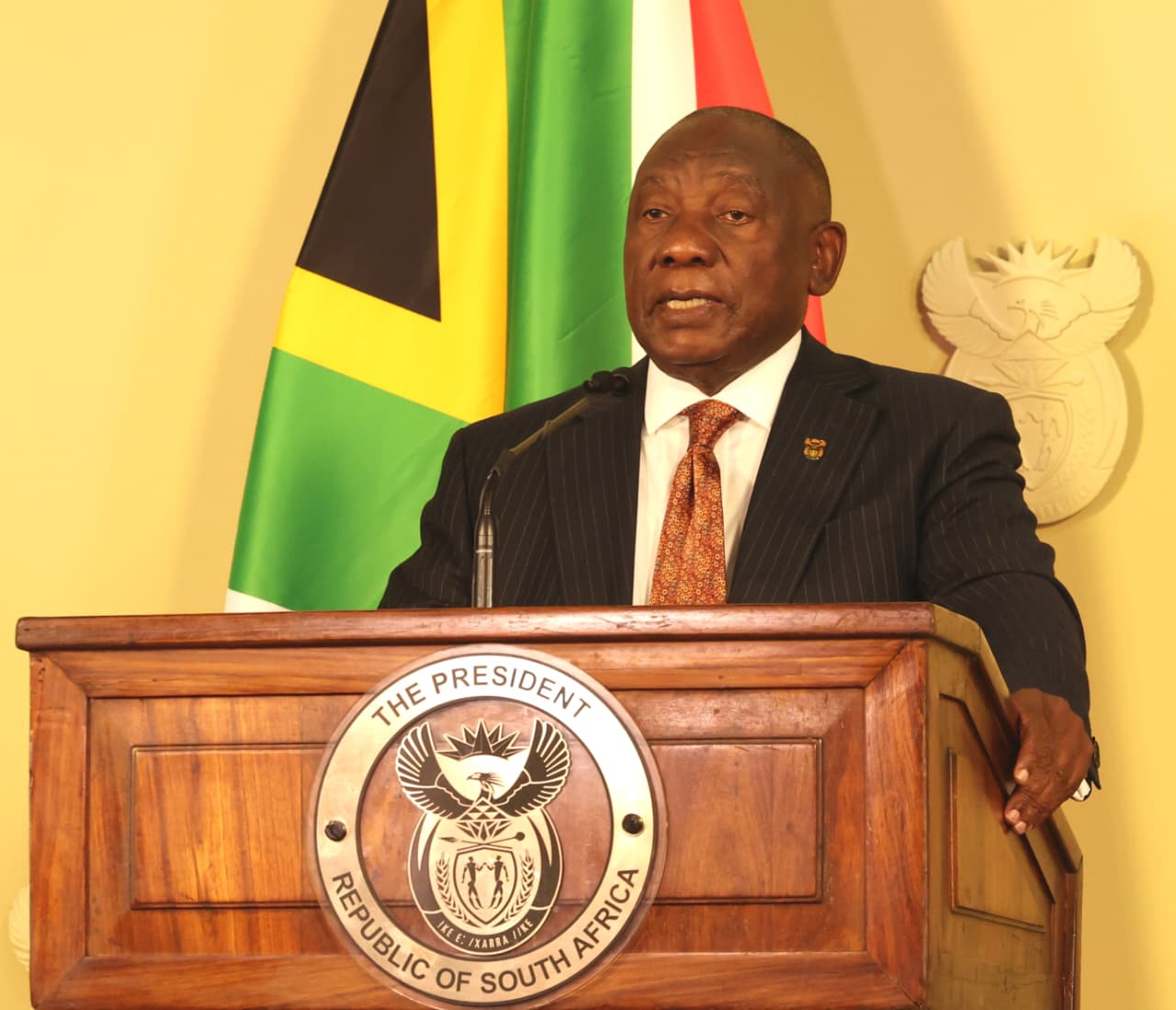
President Cyril Ramaphosa has unveiled a comprehensive package of measures designed to tighten immigration enforcement, bolster border security, and crack down on employers hiring undocumented migrants in South Africa. Addressing the nation from the Union Buildings, Ramaphosa acknowledged significant failures in migration management, pervasive corruption within the immigration system, and growing public frustration stemming from unemployment, pressure on public services, and crime. Concurrently, he issued a stern warning against xenophobia, vigilantism, and any attempts by private groups to police foreign nationals, unequivocally stating that the responsibility for enforcing immigration laws rests solely with the state.
This announcement follows Ramaphosa’s recent decision to dispatch special envoys to various African countries, a move prompted by escalating concerns over anti-foreigner protests and their potential impact on South Africa's continental relations. While emphasizing that illegal immigration presents a substantial challenge, the President firmly rejected the notion of blaming migrants for South Africa’s broader economic difficulties. He maintained that sustainable solutions lie in fostering faster economic growth, attracting investment, expanding industries, and creating jobs.
The government's new migration strategy is structured around five core pillars: intensified enforcement of existing immigration and labour laws, stronger border controls, a rigorous crackdown on corruption within the immigration system, necessary legislative reforms, and enhanced cooperation with other African nations on shared migration challenges. A pivotal measure includes the establishment of dedicated immigration courts, aimed at expediting the deportation process for undocumented migrants. The Department of Home Affairs, the Border Management Authority (BMA), the South African Police Service, and other law enforcement agencies are tasked with intensifying efforts to identify and deport foreign nationals residing illegally in the country. According to President Ramaphosa, the BMA successfully intercepted over 450,000 individuals attempting to enter South Africa illegally over the past year.
Furthering enforcement, the government plans to increase workplace inspections, specifically targeting businesses that employ undocumented foreign nationals. In support of this initiative, the Department of Employment and Labour has commenced the phased recruitment of 10,000 labour inspectors during the current financial year. Ramaphosa accused some employers of exploiting undocumented migrants by offering below-minimum wages and subjecting them to exploitative working conditions. He announced that penalties for employers found in violation of the Immigration Act, including imprisonment, would be significantly increased.
To strengthen border security, the government will allocate additional investment towards technology, infrastructure, and personnel. Refugee reception centres, starting with the Tshwane centre, will be gradually relocated closer to border posts, a move intended to streamline and improve the processing of asylum applications. Furthermore, Home Affairs will establish an “Intelligent Population Register,” which Ramaphosa described as a foundational step towards a future digital identity system by containing biometric information for every person in the country. This initiative will also involve phasing out the green barcoded identity book, which has been identified as susceptible to identity theft and misuse by criminal syndicates.
In a significant policy shift, the government has finalized the National Labour Migration Policy, which proposes the implementation of quotas for the employment of documented foreign nationals across specific sectors and occupations. The Employment Services Amendment Bill, already approved by Cabinet and slated for parliamentary introduction, will grant the labour minister the authority to determine these quotas.
President Ramaphosa carefully drew a distinction between legitimate concerns regarding illegal immigration and hostile attitudes towards foreign nationals. He unequivocally stated that there is no room for xenophobia, racism, sexism, Afrophobia, or any other forms of intolerance in South Africa. He warned that no individual or group possesses the right to demand proof of nationality from people in public spaces and affirmed that the government would act decisively against those seeking to exploit migration concerns to advance “political, personal or criminal agendas.”
Despite the domestic focus of the address, Ramaphosa reiterated South Africa’s commitment to continued engagement with countries across the continent to address the broader root causes of migration, emphasizing that South Africa’s future is intrinsically linked to that of the African continent. He confirmed that special envoys would be dispatched to several African countries to explain the newly announced measures and to engage regional partners on various migration-related challenges. Ramaphosa concluded by asserting that South Africa possesses the capacity to protect its borders while simultaneously upholding its constitutional values and safeguarding human dignity.
Political analysts generally interpret the dispatch of envoys as a shrewd diplomatic maneuver aimed at easing tensions, fostering better communication, and preventing misunderstandings with other African nations affected by migration-related disputes. Supporters of this diplomatic approach argue its necessity for protecting South Africa’s international relationships, attracting crucial investment, and averting unnecessary conflicts with neighboring countries and global partners. Conversely, critics contend that the South African public yearns for more robust action at the borders, improved immigration enforcement, and tangible solutions to challenges associated with illegal immigration. The high emotional charge surrounding the issue has rendered it one of the most divisive political topics in the country, with the government’s deployment of envoys signaling the gravity of the matter and its requirement for direct international engagement.