Post-Birth Control Struggles: Alex Cooper’s Battle with Acne, Dizziness & Emotional Highs
Discontinuing hormonal birth control can trigger a range of side effects, as the body readjusts to natural hormonal fluctuations, a phenomenon sometimes called post-birth control syndrome. Symptoms like acne, mood swings, and irregular periods are common as the body transitions. While most issues resolve over time, understanding these changes and knowing when to seek medical advice is crucial for managing the experience effectively.
Discontinuing hormonal birth control can lead to a range of intense physiological and emotional side effects as the body readjusts to natural hormonal fluctuations. This experience, often referred to by some alternative medicine providers as post-birth control syndrome (PBCS), gained public attention recently when Call Her Daddy host Alex Cooper shared her challenging journey after stopping the pill to plan for a baby.
Cooper described severe symptoms including acne, high emotions, and extreme vertigo and dizziness, to the point of passing out, leading her to pause family planning efforts. While her experience was particularly severe, experts confirm that a variety of symptoms are common and normal.
Jaime Knopman, MD, a reproductive endocrinologist and director of fertility preservation for CCRM Fertility of New York, explains that symptoms after stopping the pill are not caused by the pill itself, but rather by the body's return to natural hormonal cycles. Hormonal birth control, such as the pill, patch, or ring, effectively puts the ovaries "to sleep," maintaining a steady hormonal state by suppressing the natural rise and fall of hormones like estrogen and progesterone.

Photo Credit: The Hollywood Reporter
When this steady state is removed, the body begins to experience the fluctuations it has been shielded from, leading to a resurgence of symptoms. Dr. Knopman highlights that many women take birth control to manage conditions like hormonal acne, premenstrual dysphoric disorder (PMDD),or endometriosis; stopping the pill means these underlying symptoms often return.
The range of side effects experienced when coming off birth control can be extensive. Common symptoms include increased acne (due to changes in testosterone levels), bloating (linked to increased progesterone), emotional changes and mood swings, headaches, breast tenderness, and even transient weight gain. Irregular periods are also a significant effect, which can manifest as heavier or lighter bleeding, or spotting. Dr. Jessica Shepherd, an ob-gyn, emphasizes that these changes are common because birth control affects multiple bodily systems. While most symptoms are due to the body simply readjusting, some, like Cooper's vertigo, can be less common and potentially linked to other factors such as fluid shifts in the inner ear, as Dr. Knopman suggests.
The return of a regular menstrual cycle can also take time. Approximately 90 percent of women will see their period return within six months of stopping the pill. This delay occurs because the brain needs time to resume producing FSH and LH, hormones that are suppressed while on birth control. Dr. Knopman compares this to waking up groggy from a sleeping pill, illustrating the temporary restart process.
If attempting to conceive, and a period has not returned after three to four months, it is advisable to consult a doctor to rule out other underlying issues. It's crucial to understand that hormonal birth control does not cause infertility; however, it can mask pre-existing fertility problems, making them apparent only after discontinuation.
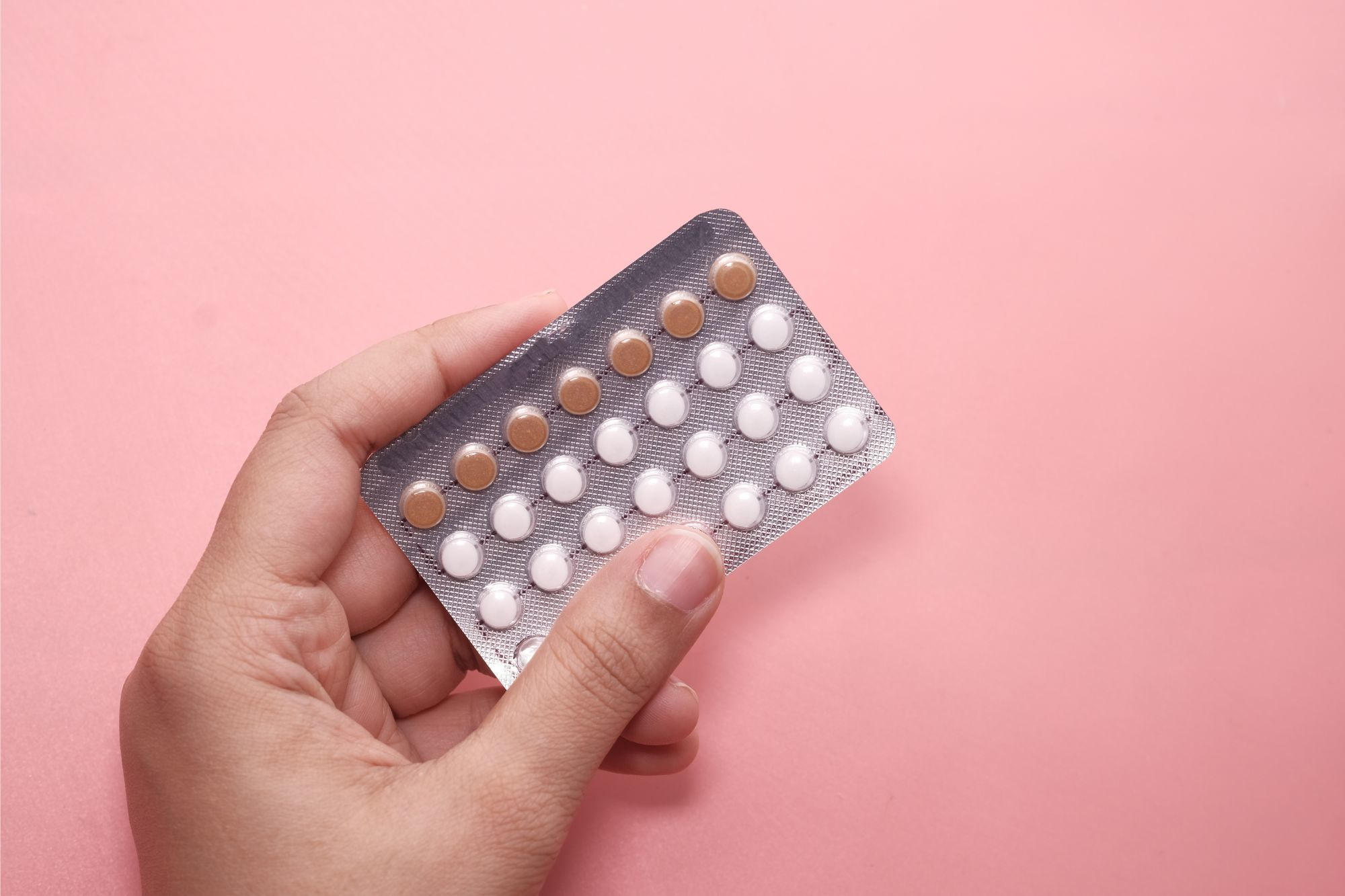
Photo Credit: SciTech Daily
Managing post-birth control symptoms involves both direct treatment and lifestyle adjustments. To support the body through hormonal fluctuations, experts recommend staying hydrated, incorporating green leafy vegetables into the diet, and regular exercise to help with issues like bloating, headaches, and mood swings. For physical discomforts like cramps, over-the-counter pain relievers such as Advil can be effective. Those struggling with acne may find relief from topical treatments or by consulting a dermatologist for prescription options. If pregnancy is a goal, it is important to ensure that any symptom management strategies are safe for conception and early pregnancy.
While most symptoms associated with stopping hormonal birth control are normal and should subside over time, it is always wise to consult a doctor. This is particularly important for obtaining a better understanding of potential individual side effects and how to manage them effectively. Medical attention is strongly advised if symptoms are extreme or debilitating, such as severe cramps, heavy periods, or persistent, severe acne.
Additionally, if symptoms do not show significant improvement within three to six months of stopping birth control, a doctor should be consulted for further evaluation and guidance. It's reassuring to know that long-term use of the pill is safe, and stopping it will not inherently exacerbate future symptoms, though natural hormonal shifts can occur with age.