Political Bombshell: Keir Starmer Abruptly Resigns as UK Prime Minister
British Prime Minister Keir Starmer has announced his resignation as Labour leader amid mounting political pressure and electoral losses, setting the stage for a leadership contest that could reshape UK politics.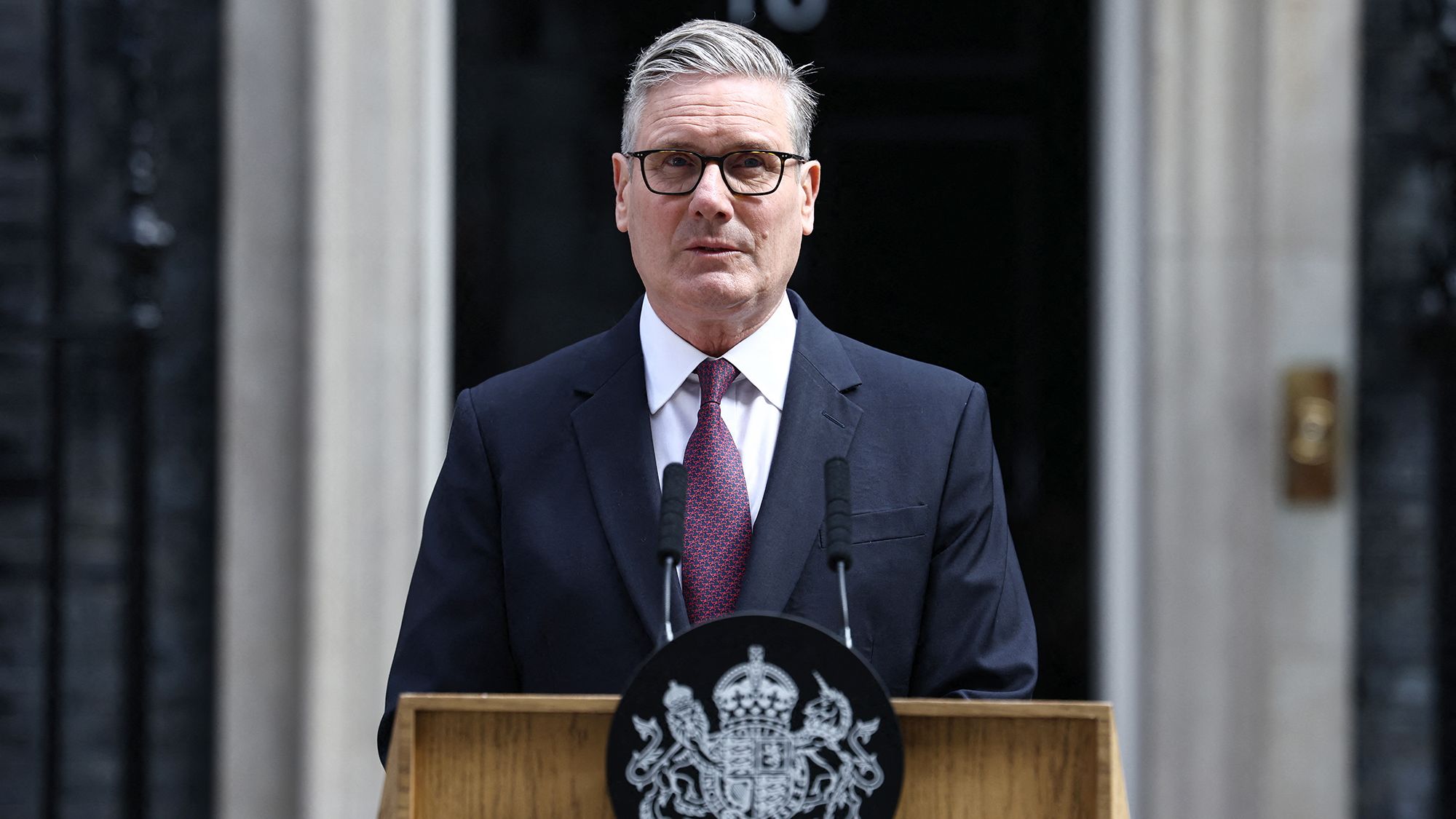
British Prime Minister, Keir Starmer, has announced his resignation as leader of the Labour Party, bowing to intense pressure from within his own ranks following a period marked by controversy and electoral setbacks.
Starmer, who will remain as caretaker prime minister until his successor is chosen in September, made the emotional announcement outside 10 Downing Street, stating that "Every decision I have taken has been about putting the country I love first. That is why I will resign as leader of the Labour Party." His departure paves the way for a leadership contest, with the process expected to launch in July.
The decision came after days of mounting pressure, particularly following a bruising round of local elections where Labour suffered significant losses to Nigel Farage’s Reform UK.
Concerns about his leadership were exacerbated by the return of former Greater Manchester mayor, Andy Burnham, to the House of Commons, winning a by-election in Makerfield. Burnham, who was sworn in as an MP, is widely considered the frontrunner to replace Starmer.
Despite initially insisting he would fight any leadership challenge, conversations with cabinet ministers and his wife over the weekend reportedly shifted Starmer's stance, leading to drafts of a resignation speech being prepared.
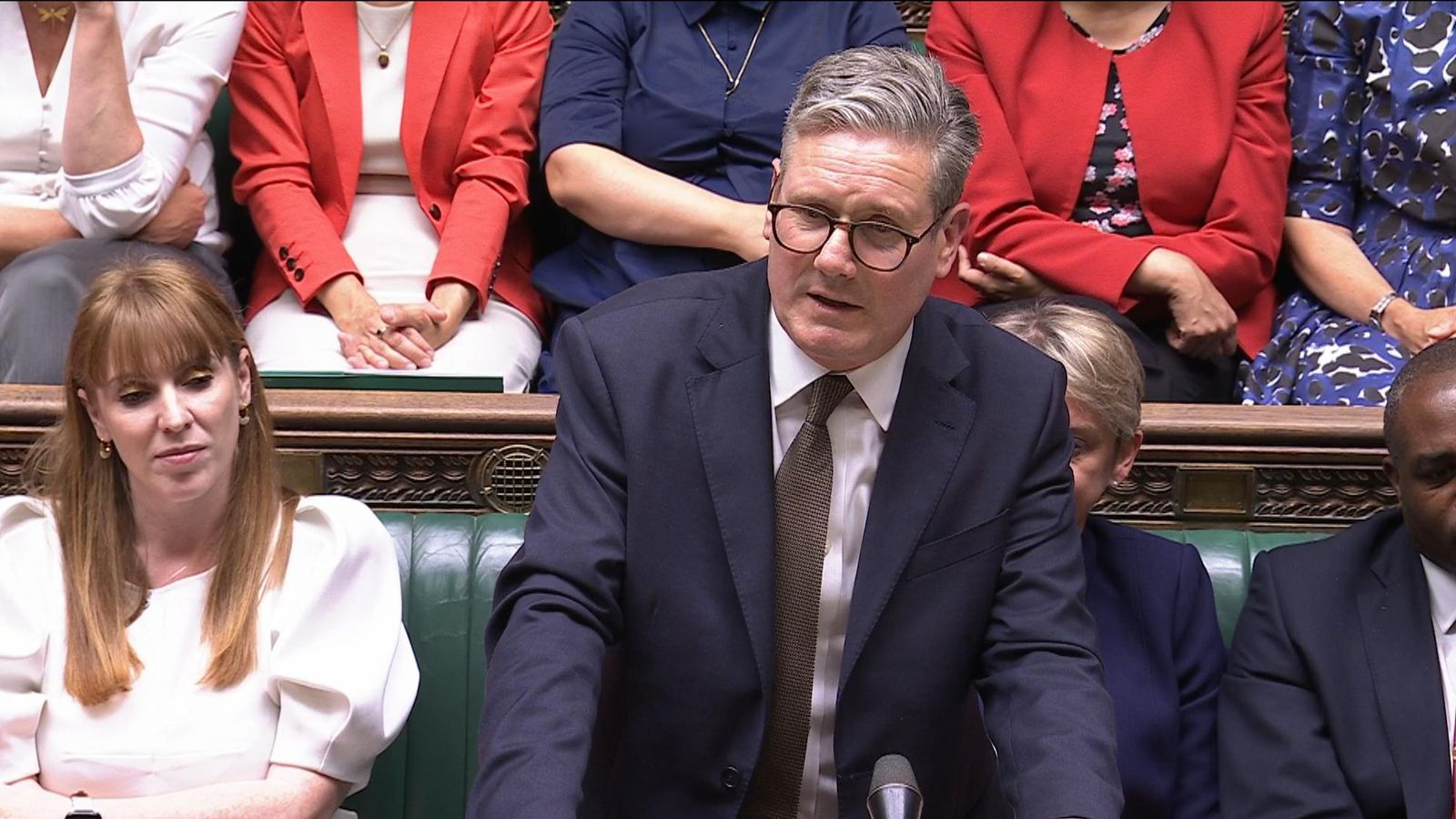
Labour's ruling national executive committee is tasked with setting the timetable for the contest, with nominations expected to open on July 9 and conclude by the summer recess just a week later. Starmer indicated he would remain in post until Parliament returns in September, meaning he will represent the UK at the next NATO summit in early July.
However, if Burnham runs unopposed, he could assume the premiership as early as July 16. In his address, Starmer pledged his full and unequivocal support to his successor, expressing hope they would inherit a Britain "far stronger and fairer" than the one he took on two years prior.
Starmer's two-year tenure as prime minister was fraught with difficulties and criticism. Early controversies included failing to declare gifts and the contentious appointment of Peter Mandelson as ambassador to the US, despite his known association with convicted paedophile Jeffrey Epstein.
His leadership was also marked by several policy U-turns, such as backtracking on welfare reform, introducing digital IDs and scrapping winter fuel payments, which drew condemnation from across the political spectrum.
Further destabilizing his government were the abrupt resignations of Deputy Prime Minister Angela Rayner (over duty payments on a flat), and his health and defence secretaries, with major figures like Wes Streeting (who claimed support from 81 Labour lawmakers for a leadership contest) lining up to challenge him.
Despite these challenges, Starmer's administration was credited with improving relations with the EU and his handling of the Middle East crisis, including his refusal to engage the UK in war with Iran.
However, poor personal approval ratings, perceived weak communication skills and the significant losses in the May local elections, which many MPs felt became a lightning rod for wider frustrations with the political system, ultimately undermined his position.
Starmer's departure means he will be the seventh leader of the country in the last 10 years, following David Cameron, Theresa May, Boris Johnson, Liz Truss, Rishi Sunak, and himself.
International reactions included praise from EU Commission President, Ursula von der Leyen, who commended Starmer for bolstering "European and Ukrainian security." Conversely, Reform UK leader Nigel Farage demanded an immediate general election, asserting his party was "ready to deliver radical change."
The incoming prime minister faces formidable challenges, including navigating the UK economy, a precarious international landscape, and the ongoing political battle against the growing influence of Reform UK.
While Burnham is the strong favorite, some Labour MPs are concerned about his readiness for the role and advocate for a full contest to ensure scrutiny, while others prioritize a swift transition to minimize public damage.