Pakistan's Budget-Savvy Crypto Leap: Minister Reveals Regulatory Regime Built on Just 8% Spend
Pakistan has rapidly launched its virtual asset regulatory regime (PVARA) in under six months, using only 8% of its budget, as announced by Minister Bilal Bin Saqib. This framework formalizes digital asset activities and represents a strategic move toward an "agentic economy" driven by AI and programmable finance. The country aims to be a frontier builder in new financial infrastructure, setting a potential model for other governments.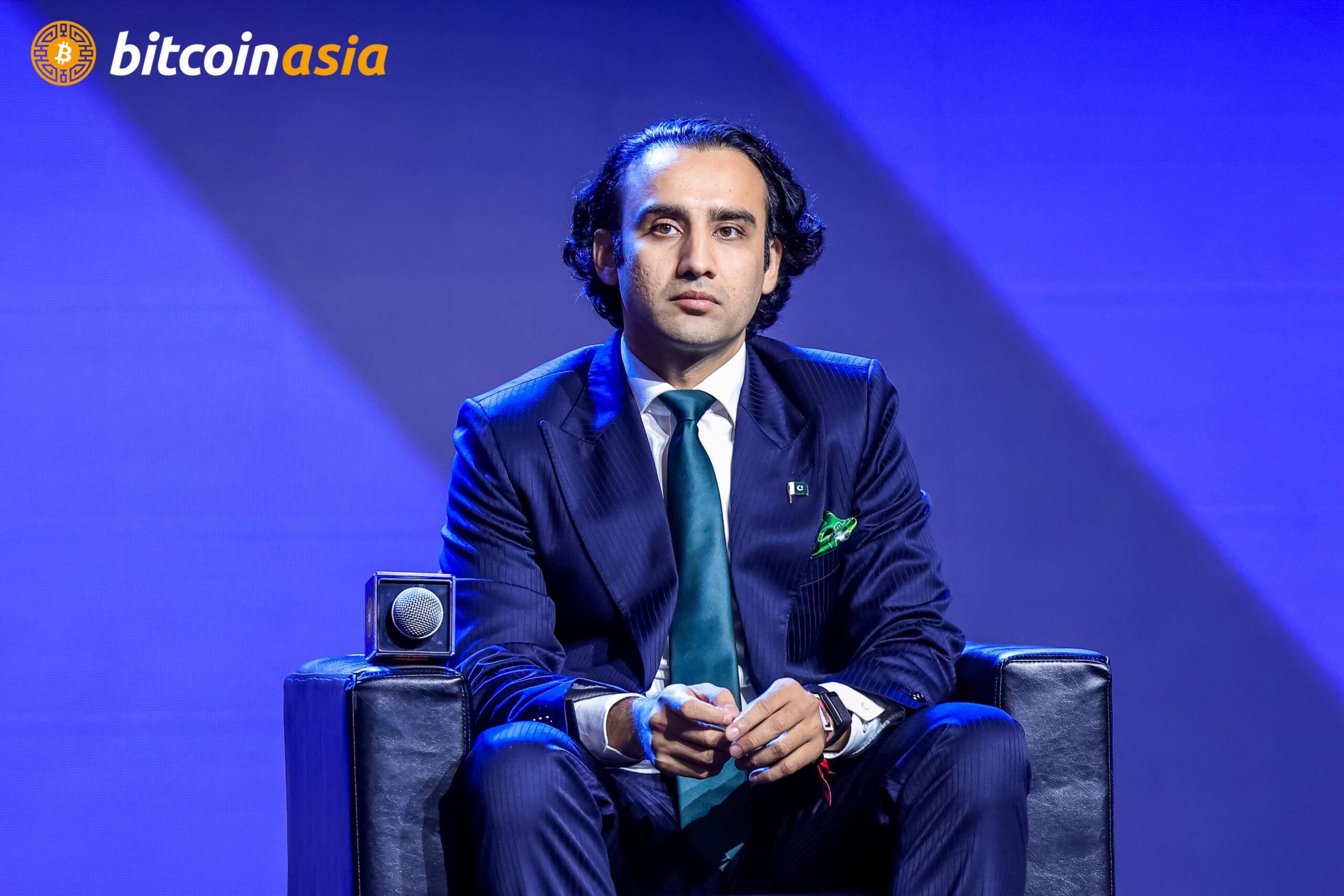
Pakistan has successfully launched its comprehensive virtual asset regulatory regime (PVARA) in an impressively short timeframe of less than six months, utilizing only 8% of its allocated budget. This remarkable achievement was announced by Bilal Bin Saqib, Pakistan’s Minister of State and Chairman of the PVARA, at a recent Bitcoin Asia event in Hong Kong on August 28. Saqib revealed that approximately $200,000 was expended to establish and operationalize the new regulatory framework, leaving a significant 92% of the approved funds unspent. He emphasized a new paradigm for government success, stating, "Government should not measure success by how much money it spends. It should measure success by how much it delivers."
The swift implementation saw Pakistan transition from primary legislation to notified regulations and a live licensing regime in under half a year. This established a formal and clear pathway for companies engaged in the burgeoning digital asset sector. The framework is extensive, covering a wide array of activities including exchanges, custody services, brokerage, asset management, lending, and settlement. It also incorporates stringent requirements for robust governance, anti-money laundering (AML) and counter-terrorism financing (CTF) measures, safeguarding of customer assets, stringent cybersecurity protocols, and ethical market conduct. This rollout represents a pivotal shift for Pakistan, aiming to integrate Bitcoin and broader digital asset activities into its formal financial system, thereby offering a defined and secure operating environment for businesses.
Saqib positioned the PVARA's rapid and efficient rollout as a testament to how governments can innovate their operations in an era of accelerating technological advancement. He advocated for a departure from traditional large bureaucracies, instead promoting a focus on smaller, agile teams, technology-driven workflows, and a relentless pursuit of delivering functional regulatory frameworks. Recognizing the "machine speed" at which technology evolves, Saqib stressed the imperative for governments to adapt quickly without compromising essential elements like structural integrity, accountability, or paramount consumer protection. This strategic approach aligns with Pakistan's broader ambition to actively participate in the development of new financial infrastructure, rather than merely adopting innovations pioneered elsewhere.
Looking beyond the current scope of digital assets, Saqib articulated Pakistan's forward-thinking regulatory ambitions, which extend to an "agentic economy." This future economic landscape is envisioned to be increasingly shaped by tokenized markets, programmable payments, stablecoins, sophisticated machine-to-machine (M2M) commerce, and the pervasive integration of artificial intelligence (AI) agents. These AI agents, capable of executing transactions on behalf of individuals, corporations, and even other machines, will introduce novel and complex questions concerning financial authority, digital identity, regulatory compliance, and consumer protection in an unprecedented manner.
The rise of AI agents necessitates that governments proactively address critical new questions. These include determining responsibility when an AI agent initiates a financial transaction, defining the operational mechanisms of delegated authority in an automated environment, and devising effective anti-money laundering controls when transactions occur directly between machines. Saqib acknowledged this evolving challenge, stating, "Today we are regulating virtual asset service providers. Tomorrow we will need regulation around agentic payments and the agentic economy." He emphasized that Pakistan's existing virtual asset framework serves as a foundational building block for navigating and shaping this more expansive and complex future financial system.
This proactive strategy reflects Pakistan's resolve to "build at the frontier," a deliberate attempt to condense the traditional timeline often observed in emerging markets. Historically, these markets tend to adopt financial and technological innovations only after they have matured in more developed economies. With a substantial population exceeding 240 million, Pakistan presents a potentially significant and dynamic market for pioneering financial technologies. The immediate success of PVARA will be gauged by its ability to attract legitimate digital asset businesses while rigorously upholding the consumer protections and robust oversight mechanisms embedded within its framework.
Ultimately, Saqib's vision transcends mere regulation. Pakistan's swift transformation from legislative intent to a live licensing regime, achieved with remarkable budgetary efficiency, is being presented as an innovative model for how governments globally can effectively approach the next generation of financial infrastructure. The nation now seeks to apply this very philosophy to an economy where the convergence of digital assets, artificial intelligence, and programmable finance is not just a possibility, but an imminent reality. You can watch Saqib’s full appearance at a recent Bitcoin Asia event.