Oscar Nominee Viola Davis Reveals Shocking Regret Over Acclaimed Role!
Viola Davis reflects on her role in the critically acclaimed film 'The Help', expressing regret over its portrayal of racism and the 'white savior' trope. The article explores how the movie, despite its intentions, failed to authentically represent the Black experience by centering a white narrative.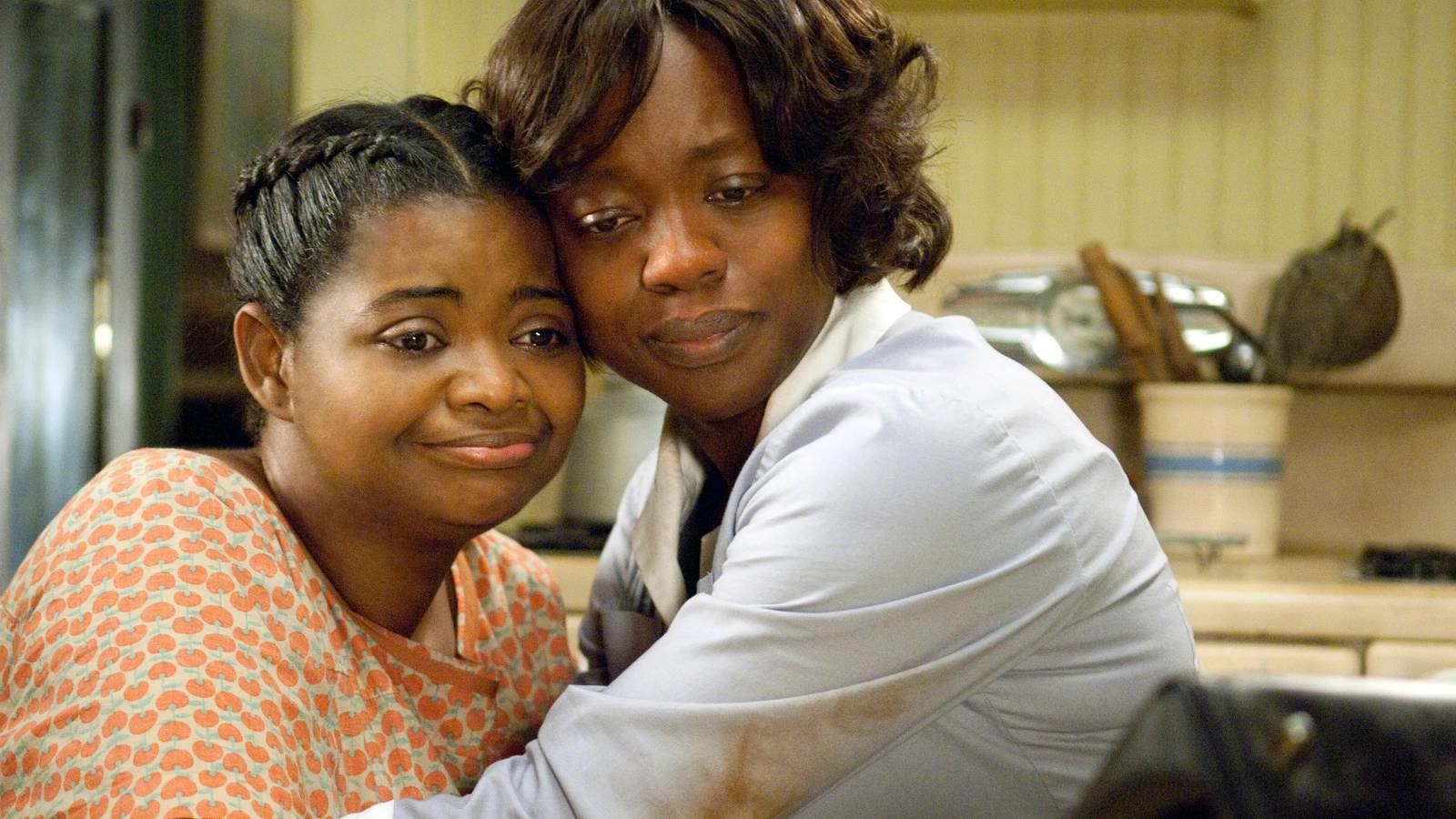
The Academy Awards have frequently recognized dramas exploring the marginalization of Black individuals, often celebrating 'heartwarming' tales of friendships transcending racial barriers, such as 'Driving Miss Daisy' and 'Green Book'. Amidst these, Tate Taylor's 2011 film 'The Help', based on Kathryn Stockett's 2009 novel, garnered significant critical acclaim for its portrayal of 1960s Southern home workers. Viola Davis, starring as Aibileen Clark, delivered a powerful performance that earned her an Academy Award nomination in 2012, alongside co-star Octavia Spencer, who won Best Supporting Actress. However, Davis has since expressed regret over her role, highlighting the film's inauthentic handling of a real-world issue through a Caucasian filmmaker and writer's lens.
'The Help' centers on the lives of Black housemaids working for wealthy white families in 1963 Jackson, Mississippi. Aibileen Clark (Viola Davis) is employed by Elizabeth Leefolt (Ahna O’Reilly), largely raising her young daughter, Mae. Minny Jackson (Octavia Spencer), Aibileen’s friend, works for Mrs. Walters (Sissy Spacek) and faces constant disdain from Mrs. Walters' scheming daughter, Hilly (Bryce Dallas Howard). The narrative also introduces Eugenia “Skeeter” Phelan (Emma Stone), an aspiring writer who, motivated by the sudden firing of her own longtime housemaid, Constantine (Cicely Tyson), decides to write a book sharing the housemaids' experiences and hardships.
Upon its release, 'The Help' was praised by critics for tackling race relations with warmth and charm, focusing on themes of friendship without delving into truly dark aspects. Peter Travers of Rolling Stone commended the film's friendships, particularly between Davis, Spencer, and Stone, for shedding light on the housemaids' struggles. While the film uniquely showcased Southern white women's racial biases, it also presented characters like Skeeter as 'non-racists' who take a stand, arguably for self-congratulation rather than authentic advocacy. This perspective has been criticized for not allowing the Black characters to fully articulate their truths without white intervention.
In 2020, following the murder of George Floyd, Bryce Dallas Howard publicly expressed guilt for her involvement in 'The Help'. She noted that despite a positive filming experience, the movie's premise — understanding what it felt like to work for white people and raise children in 1963 — wasn't truly explored from the housemaids' perspective within the film itself. Howard's comments underscore a core issue: 'The Help' often prioritizes the white narrative, preventing Aibileen and Minny from expressing their full truth about being Black in America without a 'helping white hand'.
Viola Davis echoes Howard's sentiments, believing that telling the story from Skeeter's viewpoint offers white audiences a false sense of comfort rather than genuine empathy. Davis stated in 2020 that 'The white audience at the most can sit and get an academic lesson on how we are. Then they leave the movie theater, and they talk about what it meant. They're not moved by who we were.' While 'The Help' contains lighter, audience-pleasing moments, such as Minny's infamous pie or Aibileen's emotional departure from Mae, many of these scenes are seen as glossy, 'Oscar-bait' depictions, akin to other films by white male filmmakers like 'Driving Miss Daisy' or 'Green Book'. Critics suggest that for true empathy and to effectively cross the audience's 'color barrier', the story would have benefited from a Black female filmmaker, such as Ava DuVernay or Gina Prince-Bythewood, who could have provided a deeper and more authentic understanding of the housemaids' rich history and experiences. The film's primary failing lies in its inability to allow its Black characters, played by Davis and Spencer, to speak their truth independently, relying instead on a white voice to bridge the gap to the masses. True representation, it is argued, is not just about highlighting social injustice, but about cultivating perspective to foster deep audience understanding of the Black experience.