Opinion: Top 5 Popcorn Worthy Nigerian/Ghanaian Films

In the dynamic world of African cinema, a new generation of filmmakers is redefining storytelling with bold creativity, visual flair, and a deep connection to cultural roots. The following is a list of such films, in no particular order of preference. These films have been carefully selected for their outstanding camerawork, vibrant coloring, and inventive directing, which shine brilliantly through each storyline. These technical and artistic achievements not only elevate their narratives but also immerse viewers in visually captivating worlds, making these films essential viewing for anyone passionate about cinema’s artistic possibilities.
Citation (2020)
Main Cast:
Temi Otedola, Jimmy Jean-Louis, Joke Silva, Ini Edo, Gabriel Afolayan, Adjetey Anang, Bukunmi Oluwashina, Sadiq Daba, Ibukun Awosika, Fatima Mohammed, Yomi Fash-Lanso
Storyline:
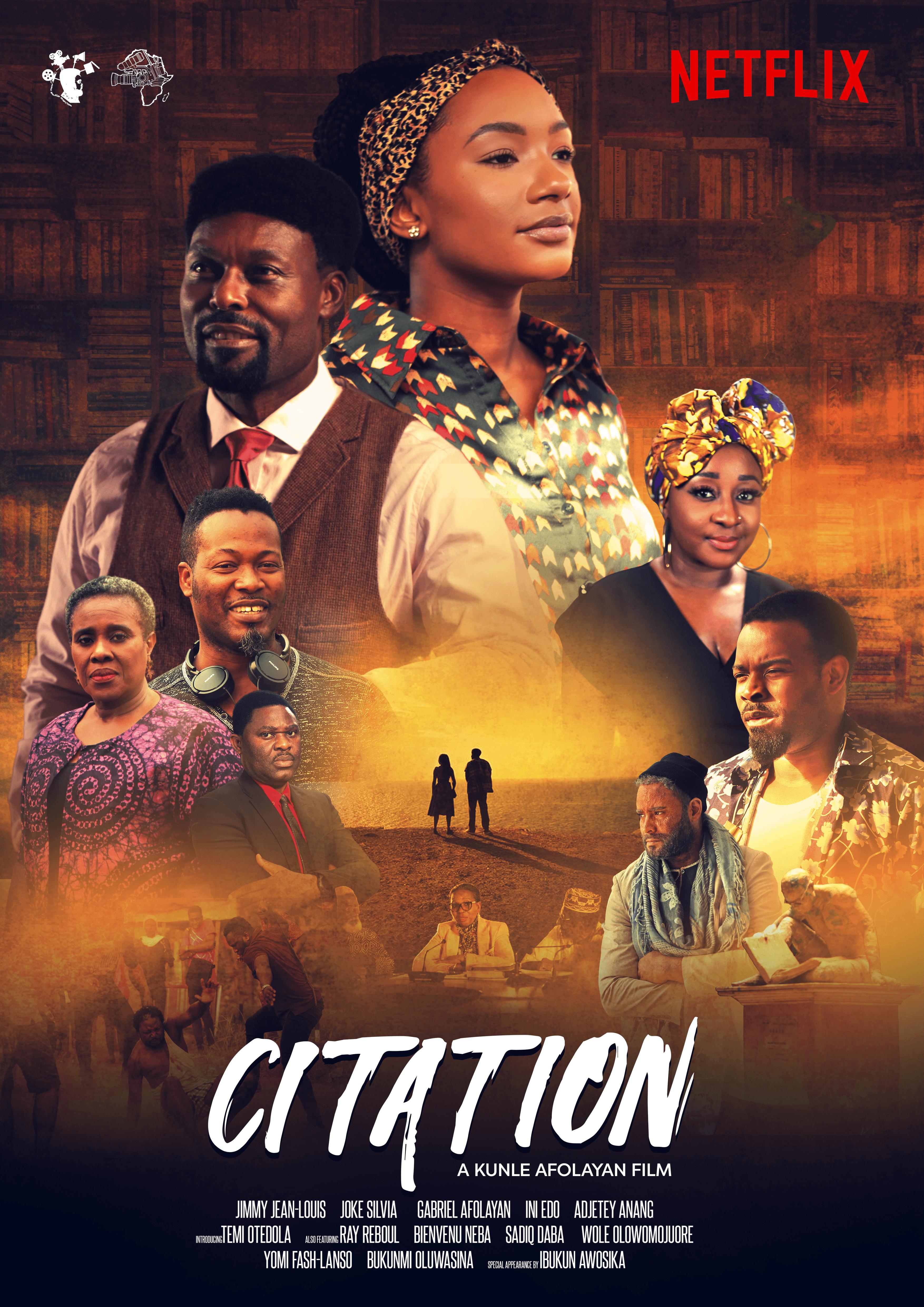
Citation is a powerful academic drama based on real-life events, following Moremi, a brilliant university student in Nigeria who speaks out against sexual harassment by a foreign professor. The film explores themes of consent, power dynamics, and institutional silence, navigating the emotional and legal complexities that arise when a woman demands justice within a patriarchal system. The story is not only timely but also deeply personal, offering a lens into the strength and resilience of survivors.
Cinematography, Directing, and Coloring:
Kunle Afolayan’s direction is measured and elegant, with a strong emphasis on natural settings and emotional realism. The cinematography is striking for its rich earthy brown palette, chosen thoughtfully to complement the caramel to dark skin tones of the cast, creating a warm, authentic visual experience. The film prominently features Ankara fabrics with vibrant yet grounded patterns, and women sporting golden long braids, all of which showcase contemporary African culture with pride and nuance.
The use of earthy tones throughout—including sandy beaches, sunlit courtyards, and windswept landscapes—grounds the narrative and deepens the emotional resonance. Additionally, Citation incorporates human motion as a key visual theme, with dance and martial arts sequences used expressively to convey inner strength, tension, and liberation. This combination of color, culture, and movement creates a visually poetic and culturally rich film experience.
Awards: Citation won the Best Soundtrack at the 2022 National Film Awards and was honored as Best International Film.
Juju Stories (2021)
Main Cast:
Belinda Agedah Yanga, Paul Utomi, Elvis Poko, Don Ekwuazi, Nengi Adoki, Bukola Oladipupo, Timini Egbuson, Seun Kentebe, Sarah Joe, Oluwabunmi Sogade, Michael O. Ejoor
Storyline:
Juju Stories is a darkly comedic and chilling anthology that explores classic Nigerian folk myths. The film is divided into three segments, each tackling a different supernatural legend: the infamous tale of people turning into yams after picking up cursed money, the chaos that ensues from love potions, and the eerie, everyday manifestations of witchcraft. The stories are rooted in urban Nigerian life, blending humor with genuine suspense and horror, making the film both entertaining and thought-provoking.
Cinematography, Directing, and Coloring:
The Surreal16 collective (C.J. Obasi, Abba Makama, Michael Omonua) bring a mature, auteur-driven approach to the film’s direction. The cinematography is moody and atmospheric, with a palette of dark whites, shadowy vignettes, and carefully composed frames that heighten the surreal and uncanny tone. The directors employ slow, suspenseful pacing and practical effects, drawing viewers into a world where the supernatural feels both absurd and real. The coloring is intentionally muted, reinforcing the film’s eerie, dreamlike quality and setting it apart visually from mainstream Nollywood fare.
Awards:
Juju Stories won the Boccalino d’oro for Best Film.
White Waters (2007)
Main Cast:
OC Ukeje, Rita Dominic, Joke Silva, Hoom Suk, Tony Ofili Akpon, Edward Fom, Fidelis Abdulrahman, Precious Olaitan
Storyline:
White Waters follows Melvin (OC Ukeje), a young man in rural Nigeria with dreams of becoming a champion runner. Raised by his caring grandmother (Joke Silva), Melvin struggles with self-doubt and the limitations of his environment. The arrival of Norlah (Rita Dominic) brings hope and romance, but also tests his resolve and aspirations. The film is a heartfelt coming-of-age story about perseverance, love, and the pursuit of dreams.
Cinematography, Directing, and Coloring:
Director Izu Ojukwu crafts the film with sensitivity and restraint, focusing on character-driven storytelling. The cinematography is evocative, making excellent use of natural light and the Nigerian landscape to convey both the beauty and isolation of Melvin’s world, including breathtaking waterfalls that are a visual highlight. The coloring is earthy and natural, enhancing the film’s realism and emotional depth. Ojukwu’s directing allows the story to unfold organically, with measured pacing and understated performances that keep the film grounded and authentic.
If you love nature and breathtaking waterfalls, White Waters is a must-watch.
Awards:
White Waters received 12 nominations and won four awards at the 4th Africa Movie Academy Awards, including Best Director, Best Cinematography, Best Sound, and Best Actress in a Supporting Role for Joke Silva.

Irapada (2006)
Main Cast:
Kunle Afolayan, Deola Oloyede, Jotham Ayuba, Angela Phillips, Toun Oni, Laide Adewale, Joe Adekwagh, Kunle Coker, Peter Fatomilola
Storyline:
Irapada centers on Dewunmi (Kunle Afolayan), a man plagued by mysterious dreams and a streak of bad luck. As his life begins to unravel, Dewunmi suspects that his misfortunes are linked to an uncompleted traditional ritual from his past. The film explores the tension between modernity and tradition, fate and free will, as Dewunmi seeks redemption and understanding.
Cinematography, Directing, and Coloring:
Kunle Afolayan’s direction is deft and atmospheric, skillfully blending suspense with cultural commentary. The cinematography uses shadows, low-key lighting, and tight framing to evoke a sense of mystery and spiritual unease. The coloring is subdued, with earthy tones that ground the supernatural elements in a believable, everyday reality. Afolayan’s pacing is steady, building tension and curiosity as the story unfolds.
Awards:
Irapada won the Africa Movie Academy Award for Best Film in an African Language in 2007. It was also featured as one of the Must See African Films of the 21st century on CNN African Voices.

Aloe Vera (2020)
Main Cast:
Aaron Adatsi, Ngozi Viola Adikwu, Benjamin Adaletey, Kofi Adjorlolo, Ben Affat, Eric Agyemfra, Alexandra Ayirebi-Acquah, Nana Ama Mcbrown, Adjetey Anang, Akofa Edjeani Asiedu
Storyline:
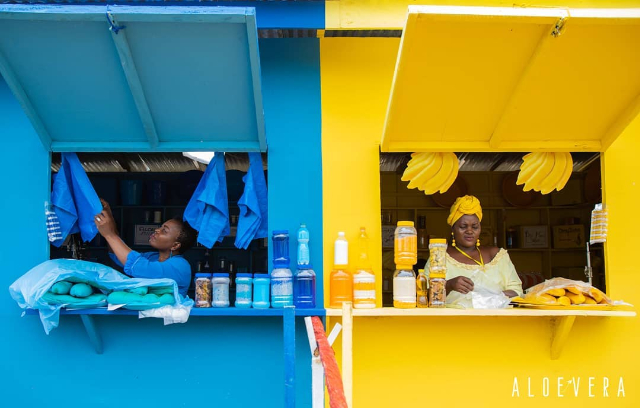
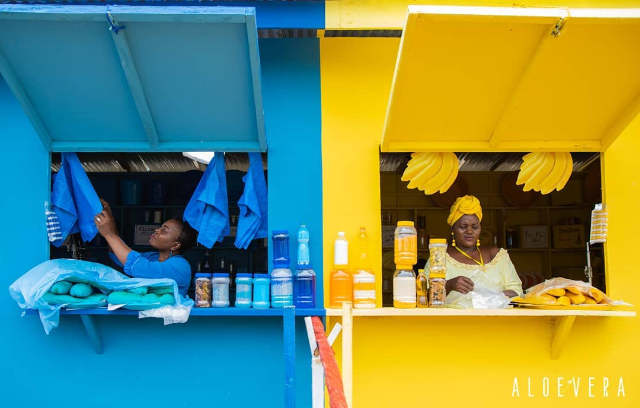
Aloe Vera is a Ghanaian film set in a fantastical world divided into two neighboring, warring towns—Aloe (blue) and Vera (yellow). Every aspect of life, from clothing to buildings, is strictly color-coded. The film follows the forbidden love between Aloewin (Aaron Adatsi) and Veraline (Ngozi Viola Adikwu), whose relationship challenges the deep-seated hostilities of their communities. It’s a satirical fairy tale about division, unity, and the transformative power of love.
Cinematography, Directing, and Coloring:
Peter Sedufia’s direction is imaginative and disciplined, confining the action to a single, vividly realized location. The cinematography is a visual feast, with bold, saturated colors and meticulously composed frames that emphasize the division between blue and yellow. The coloring is not just aesthetic but symbolic, reinforcing the film’s themes of separation and harmony. Notably, the use of vibrant color blocking could be seen as a nod to Wes Anderson’s signature visual style, highlighting Sedufia’s playful yet precise directing approach. This ensures that the film’s visual identity is as memorable as its story.
Conclusion
Each of these films demonstrates how Nigerian and Ghanaian filmmakers are pushing boundaries in both storytelling and visual artistry. From the moody, surreal world of Juju Stories to the colorful, allegorical landscape of Aloe Vera and the action-packed, visually stunning Banana Island Ghost, these films are a testament to the power of camerawork, coloring, and direction in modern African cinema. Dive in and let these stories—and their artistry—captivate you.
What visually captivating movies do you think are missing from this list? Tell us in the comment section below