OPINION: Infidelity and the Culture of Blame — Why Are Women Always Held Responsible When Men Cheat?
Why are women so often blamed when men cheat? This powerful article explores the deep-rooted gender biases, cultural norms, and religious expectations that excuse male infidelity and shame female victims. A must-read on double standards in Nigerian society.
Written by: ERIC NAMSO
The Double Standards Around Cheating
In Nigeria, one of the leading causes of marital disputes and broken relationships is infidelity. This is not a new phenomenon—cheating has been a persistent issue in human relationships since time immemorial.
However, what continues to raise concern is the cultural lens through which it is viewed, particularly the gender bias in how society assigns blame.
According to statistics, around 20% of men and 13% of women admit to cheating on their partners. The reasons behind infidelity are varied and complex, ranging from low self-esteem, emotional neglect, loneliness, anger, revenge, to lack of excitement or sexual satisfaction in the relationship. But when cheating occurs, the blame rarely falls evenly.
“Polygamous by Nature”: The Cultural Excuse for Men
Culturally, men have often been excused for cheating based on the argument that they are“polygamous in nature.”
In many spaces—religious, traditional, and even modern—women are taught to remain loyal, to endure, and to "pray the spirit of infidelity" out of their husbands.
Society tells us that men have a high sex drive and are therefore naturally inclined to seek gratification outside of marriage. While this argument is flawed, it continues to dominate conversations around marital issues.
When Women Cheat, the Consequences Are Harsher
But what happens when the tables are turned?
When a woman cheats, she is often subjected to public humiliation, ridicule, and even punishment. In parts of Nsukka, Enugu State, for example, local beliefs hold that women who violate marital oaths by committing adultery will be struck with madness by the gods.
Spiritual consultations are often made to confirm such incidents. But when asked if the same consequences apply to men, the answer is typically “no.”
It is said that men are not bound by those same spiritual or cultural expectations because, again, “it is in their nature to cheat.”

Social Insight
Navigate the Rhythms of African Communities
Bold Conversations. Real Impact. True Narratives.
Source: Weinberg
This is a glaring double standard.
A man who cheats may be excused on the grounds that his wife is not giving him enough attention, or not fulfilling her “wifely duties.” In some religious families, the woman is even advised to go into fasting and prayer so that her husband’s infidelity might cease. The responsibility for his wrongdoing is shifted entirely onto her shoulders.
The Woman Is Still Blamed — Even When She’s the Victim
Recently, I passed by a gathering of women discussing a case of infidelity involving a man who had slept with the house help. One would assume the woman would hold the man accountable. Shockingly, their blame was directed at the wife.
“Why did she employ her?”
“If she was doing her duties, he wouldn’t have looked outside.”
These were some of the comments made. It wasn't surprising, though—it is a reflection of how deeply embedded this cultural bias is.
Gendered Upbringing and the Culture of Silence
From boyhood, many males in Nigeria are raised with the idea that their worth is tied to their ability to attract and sleep with multiple women. Meanwhile, girls are taught to protect their virginity, avoid male friends, and aspire to become loyal wives and responsible mothers.
Society polices the actions of the girl child far more harshly than it does the boy child. The male is celebrated for being “manly,” but the female is constantly watched, corrected, and restricted.
When a young boy impregnates a girl, the conversation is often around “boys will be boys.” But if the girl gets pregnant, she becomes the centre of public shame. In many cases, she is disowned or stigmatised, while the boy continues with life as usual.
This moral imbalance does not end at childhood. It follows both genders into adulthood and manifests fully in marriage. A woman who questions her husband's behaviour may be labelled “nagging.”
A man who cheats may be considered “weak,” but still salvageable. The woman, on the other hand, is treated as a fallen being.
The Role of Religion and Cultural Narratives
Religion plays a significant role in shaping societal expectations, especially in a highly spiritual country like Nigeria. In many religious settings, women are taught to “build the home” regardless of the circumstances.
Social Insight
Navigate the Rhythms of African Communities
Bold Conversations. Real Impact. True Narratives.
Marital survival is seen as the woman’s duty, and divorce—even when justified—is discouraged. The woman is made to feel responsible for the success or failure of the union.

Source: Pinterest
In sermons and religious counselling sessions, the focus is usually on how a woman should improve herself to “keep her husband.” There is rarely a conversation about how men should honour their vows or practice self-control.
This religious messaging contributes significantly to the culture of silence among women who are suffering emotionally in their marriages.
The Cost of Stigma
Due to this stigmatisation, many women remain in marriages where they are consistently cheated on—not because they lack the strength to walk away, but because they fear societal backlash.
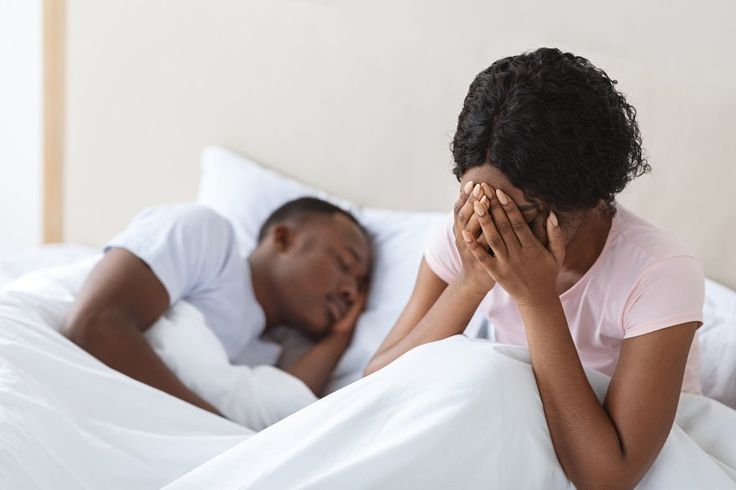
A woman whose husband cheats may be seen as inadequate, as someone who couldn’t keep her home. People will whisper behind her back:
“Isn’t that the woman whose husband cheated?”
“She must have done something wrong.”
This kind of societal pressure erodes a woman’s self-esteem and mental health. It affects her children too, who may be treated differently or mocked because of what their father did.
The woman is forced to bear the emotional and psychological burden of her husband’s indiscretion, while the man faces little or no consequence.

Even more troubling is how casually people treat these situations. Many will go out of their way to share the story of a woman who has been cheated on, but will never mention the man who did the cheating. He’s allowed to remarry, start afresh, and continue life with no stain on his reputation.

Source: Google
What Needs to Change?
We need to begin holding perpetrators of infidelity accountable—regardless of gender. Both men and women can cheat. Both are capable of betraying trust. But the cultural and societal excuse made for male infidelity is unjust and damaging.
Let us stop making excuses for men while shaming women. If a woman is publicly humiliated for her infidelity, let the same energy be applied to a man who commits the same offence. And when a woman is cheated on, the blame should not automatically fall on her.
Social Insight
Navigate the Rhythms of African Communities
Bold Conversations. Real Impact. True Narratives.
In most cases, she is not the problem—her husband made a choice, and he should be held responsible for that choice.
In Conclusion
Before you make that hurtful comment or judge a woman for her husband’s actions, remember: it could be your mother, your sister, your friend, or even you.
Infidelity affects people emotionally, mentally, and socially. Those experiencing it carry wounds that go far deeper than we see.
So instead of gossiping or stigmatising, try empathy. Try fairness.
Let’s work toward a society where men and women are held to the same moral and emotional standards. Only then can we begin to correct the deep-rooted imbalance that has allowed one gender to be consistently blamed for the sins of another.
WRITTEN BY: ERIC NAMSO