NYC Health Alert: Second Fatality in Legionnaires' Outbreak Sparks Public Concern
Manhattan's Upper East Side has recorded a second death from a recent Legionnaires’ disease outbreak, prompting swift action from the city's health department. A cluster of 72 cases was identified, leading to aggressive inspections and disinfection of cooling towers, which appears to have successfully contained the source of exposure.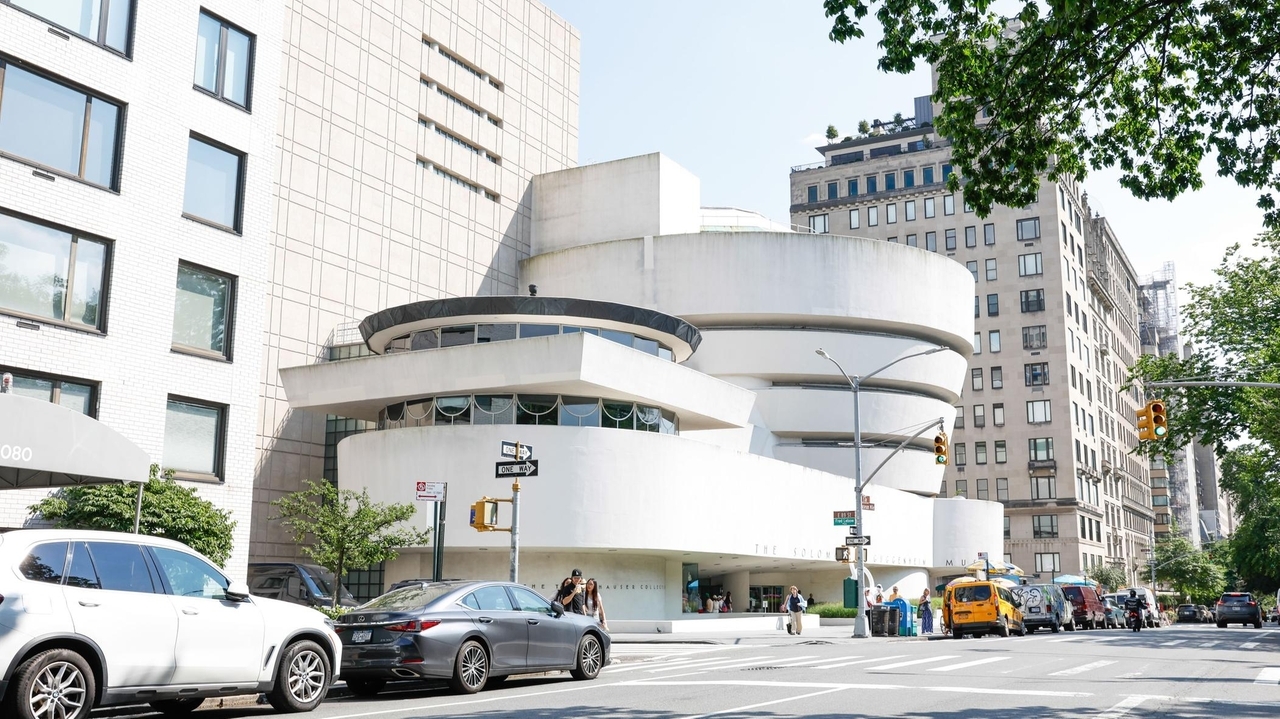
Manhattan's Upper East Side has been grappling with an outbreak of Legionnaires’ disease, a severe lung infection, which has now tragically claimed a second life. The city's health department confirmed the latest fatality on Sunday, following the identification of a cluster of cases earlier this month. The initial two cases of this particular cluster were reported on July 2, and by Saturday, a total of 72 individuals had been diagnosed with the disease. The first death related to this outbreak was announced on Friday.
The cluster of Legionnaires’ disease was pinpointed in the Carnegie Hill and Yorkville neighborhoods. Legionnaires’ disease is caused by inhaling water droplets that contain the Legionella bacterium. The sources of such outbreaks are frequently traced to large cooling systems, hot water tanks, decorative water fountains, and hot tubs found in buildings.
According to medical information from the Mayo Clinic in Minnesota, symptoms of Legionnaires’ disease typically include headaches, muscle aches, fever, nausea, persistent coughing, and chest pain. While the disease is not contagious from person to person and can be effectively treated with antibiotics, it poses a serious, often fatal, threat to older individuals or those with compromised immune systems.
In response to the escalating situation, the health department implemented an aggressive strategy to control the outbreak. Over the past two weeks, 183 cooling towers were meticulously inspected and tested for the presence of the Legionella bacterium. A significant 76 of these towers, which yielded initial positive results, were immediately cleaned and disinfected under the department's orders. This proactive approach marks a change from past protocols, where disinfection was mandated only after a positive culture result, a process that could take several weeks, potentially leading to more exposures.
The swift action appears to have curtailed the spread of the disease. The health agency reported a noticeable slowdown in new cases across New York City, with fewer than one case per day over the past week, a stark contrast to the average of eight cases daily earlier in the month. This reduction strongly suggests that the primary source of the outbreak has been successfully addressed. Health Commissioner Alister Martin affirmed this success in a statement, saying, "Our aggressive strategy of testing, enforcement, and remediation appears to have stopped the source of exposure."
Of the 72 individuals diagnosed, 50 have already been discharged from the hospital, though some patients continue to receive treatment. The health agency confirmed its ongoing vigilance, continuing to monitor all cooling towers that previously tested positive. Furthermore, the department has significantly ramped up its routine inspections of cooling towers in the first six months of this year, following Mayor Zohran Mamdani taking office. These checks have increased by 35% compared to the same period in 2025, demonstrating a heightened commitment to public health and safety.