Nvidia's AI PC Revolution: New Processors to Modernize Laptops
Nvidia is set to disrupt the Windows laptop market with its new RTX Spark processor, combining Blackwell GPU and Arm-based Grace CPU for enhanced AI, gaming, and content creation. Launching this autumn with major manufacturers, the chip supports up to 128GB memory and features a sleek design. Its success hinges on overcoming software compatibility challenges due to its Arm architecture.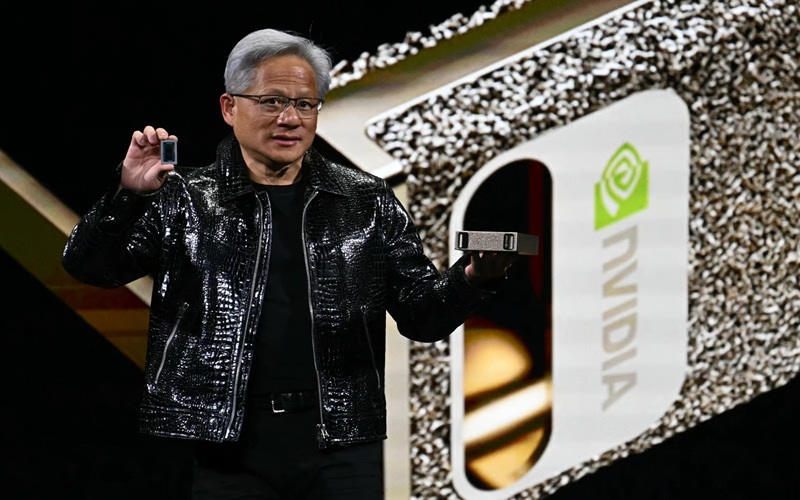
Nvidia, a leading global chipmaker, has announced its entry into the competitive Windows laptop market with its first dedicated processor, the RTX Spark. This new superchip aims to challenge the long-standing dominance of Intel and AMD by redefining the capabilities of laptops in artificial intelligence (AI), gaming, and content creation. Unveiled at Nvidia’s GTC Taipei event, the RTX Spark integrates Nvidia’s advanced Blackwell GPU architecture, also used in its high-end AI data center chips, with an Arm-based Grace CPU in a single, powerful package.
Major laptop manufacturers, including ASUS, Dell, HP, and Microsoft, are expected to release laptops powered by the RTX Spark, with initial availability slated for autumn. Beyond laptops, the chip will also be available for small desktop computers. A notable feature of the RTX Spark is its support for up to 128GB of memory, a significant leap compared to the typical 16GB found in most current laptops. This memory capacity places it in a premium category, rivalling even high-end configurations like Apple’s MacBook Pro which requires a substantial investment to reach 128GB.
While Nvidia has not yet disclosed pricing details, it confirmed that the first RTX Spark laptops will target the premium market segment, with more affordable versions offering lower memory configurations to follow. These new laptops are designed with a sleek profile, approximately 14 millimetres thin, and will feature high-definition webcams along with promises of all-day battery life. This design aesthetic signals Nvidia's ambition to compete with the sophisticated, professional form factor that has made MacBooks a desired choice for many users.
A critical aspect for Nvidia’s success with the RTX Spark lies in software and gaming compatibility, primarily due to its Arm architecture. Unlike the x86 architecture used by Intel and AMD, on which most Windows software is traditionally built, the Arm-based Grace processor presents a compatibility challenge. Qualcomm has previously navigated this issue with its Arm-based Windows laptop chips, requiring years of collaboration with Microsoft and developers to ensure broad application compatibility.
Nvidia states it has undertaken similar groundwork, partnering with various software companies to ensure applications run seamlessly on RTX Spark systems, either natively or through emulation. Gaming presents the most rigorous test, particularly concerning anti-cheat software, which has historically been difficult to implement on non-x86 chips. Nvidia is actively engaging with major game studios to guarantee both their titles and their anti-cheat mechanisms function correctly on the new chip. Furthermore, Nvidia will bring its DLSS technology to RTX Spark laptops, an AI-powered feature designed to boost game performance by intelligently generating frames rather than rendering each one from scratch.
If Nvidia successfully delivers on its promises across gaming performance, AI workloads, battery life, and comprehensive software compatibility, the RTX Spark could indeed mark a pivotal shift in the Windows laptop market. This ambitious undertaking aligns with the kind of strategic bets that have cemented Nvidia's position as the world’s most valuable chipmaker.