Nostalgia Is Not a Strategy: The Problem With Rebooting Harry Potter
Hollywood keeps returning to what already works, but at what cost? The Harry Potter reboot reveals how nostalgia has become a business model—one that risks replacing originality with repetition.
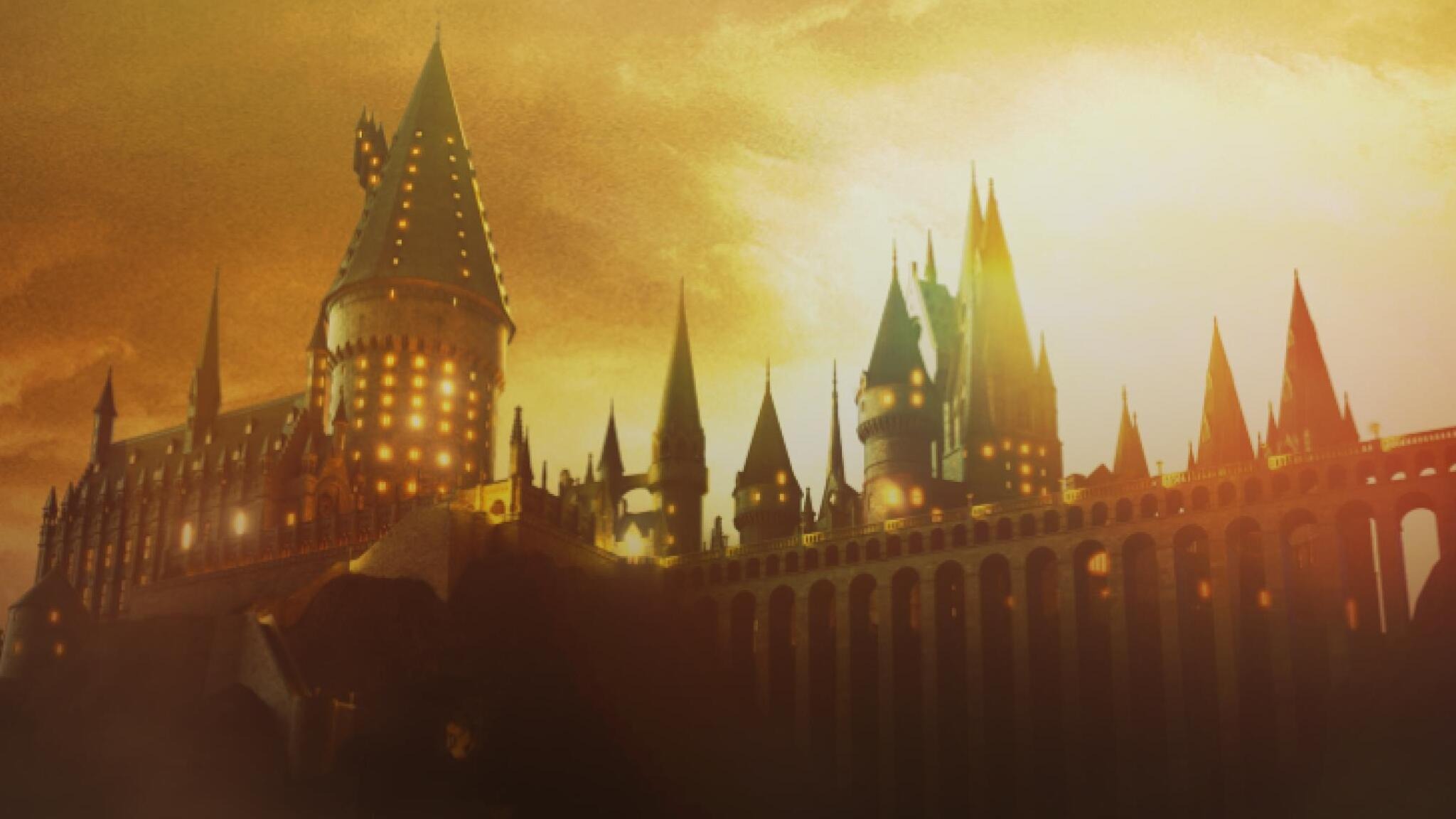
Somewhere in your childhood memories, there is a dark-haired boy with round glasses and a magic wand, a red-haired boy with freckles, a brilliant brown-haired girl, a school that looks straight out of a fantasy storybook, a long-bearded wizard, and a villain so pale and noseless he haunted your dreams.
That world has a name. Apparently, it needs to be remade.
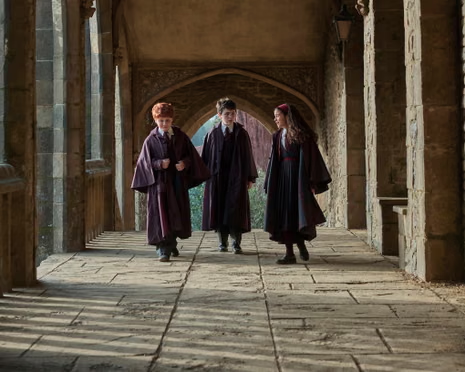
HBO has confirmed the production of a full Harry Potter television series, premiering December 2026. We have a new cast, a new format, eight episodes per book, seven books and another decade-long commitment to a story that already exists in memories, shelves and under the classics category.
The only question that popped into my brain and many others is: why?
The Answer Is Always Money
The answer, like most things in entertainment, is usually money, specifically, the kind that comes from selling people something they already know they love.
Hollywood has quietly built an entire business model around the nostalgia economy. The logic is almost cynical in its efficiency: original ideas are risky.
You do not know if audiences will show up. You cannot guarantee the numbers.
But a reboot? A remake? A reimagining of something that already has a fanbase of millions? That is a safer bet. The audience is pre-loaded and there is the attachment. All you have to do is show up with the brand.
It is why Disney has spent the last decade live-actioning its entire animated catalogue. From the Lion King to Cinderella, The Little Mermaid, Beauty and the Beast — just name it.
Each one is a calculated extraction of existing emotional attachment. Each one arriving not because the story needed retelling, but because someone in a boardroom decided the IP had more money left in it.
Harry Potter, with its billions in global revenue, its theme parks, its merchandise, its deeply devoted fandom, is exactly the kind of IP that makes studios salivate.
The question was never if they would reboot it. It was always when.
Nostalgia Is Personal. You Cannot Package It.
When people say they love the original Harry Potter films, what they are really describing is who they were when they first watched them. The version of themselves that believed in magic more easily. The Saturday morning that felt infinite. The book that made them a reader.
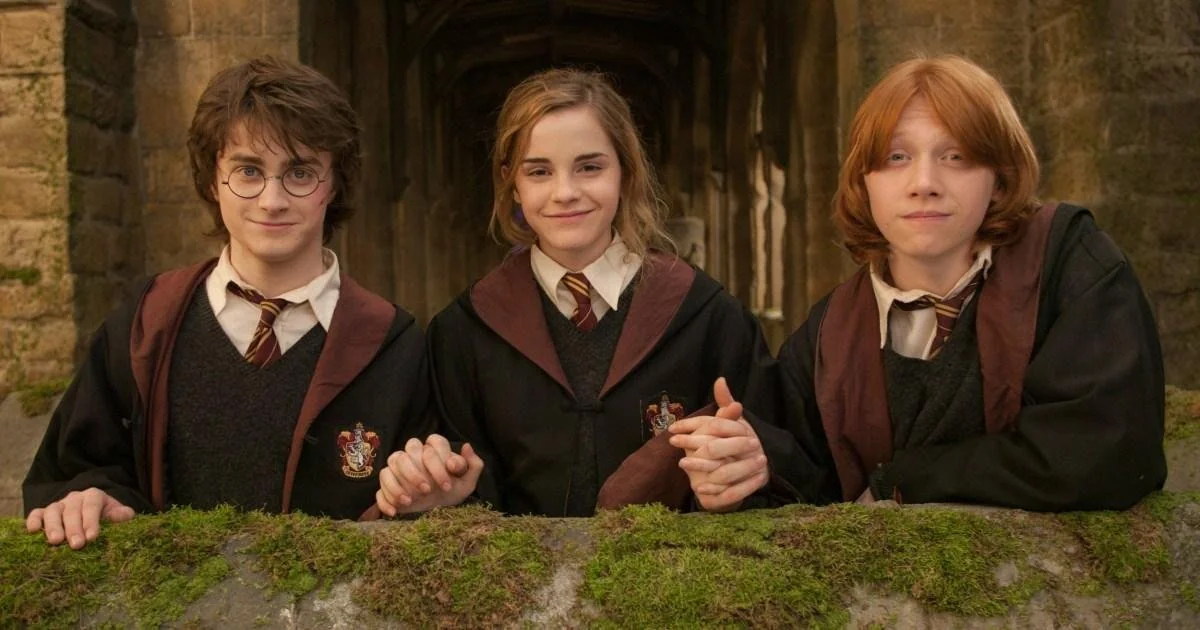
You cannot remake that. No budget or prestige casting or expanded runtime can recreate the specific conditions under which someone fell in love with something the first time.
What a reboot offers instead is a comparison and comparison is almost always unkind to the newcomer.
John Lithgow's Dumbledore will be held up against Richard Harris and Michael Gambon. The new Hermione against Emma Watson, who is essentially synonymous with the character for an entire generation.
That is not a fair fight, and it is not one the new production can win, at least not emotionally.
What We Lose in the Cycle
Every reboot that gets funding is a slot that did not go to an original story. Every budget committed to a familiar IP is a budget that is not going to the next writer pitching something new, something strange, something without a pre-existing audience.
The irony is that the franchises studios that now mine for nostalgia were once those who took original risks.
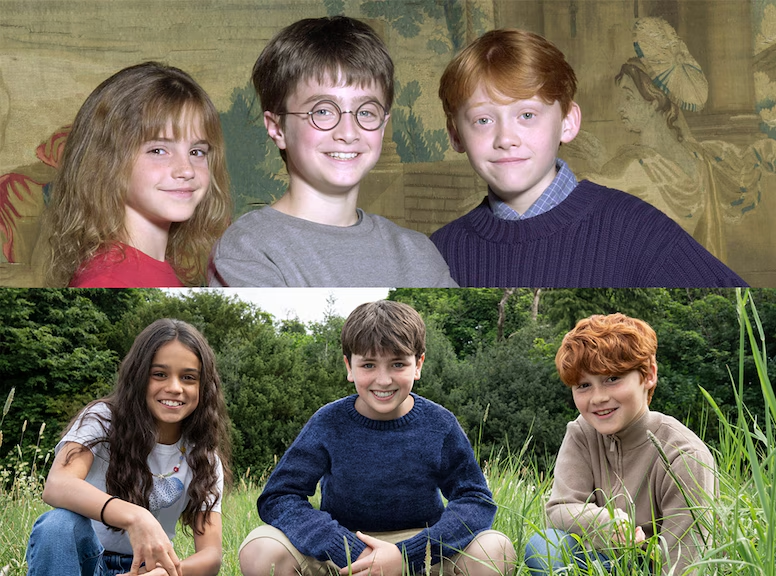

Harry Potter was a children's book about a boy wizard that nobody was sure would get translations. The original films were a bet. They paid off because the story was good and the timing was right and something about it cracked the world open.
You do not find that magic by recycling it. You find it by funding the next thing.
The original films exist. They are good. They are right there, available, rewatchable, still doing everything they were made to do.
Sometimes the most respectful thing you can say about a classic is:we already told this one well. Let it be.