Northern Ghana's Dire Thirst: Water Shortage Deepens Crisis, Tamale Project Offers Hope
Northern Ghana is facing a critical water crisis, impacting daily life, health, and even marital relationships, as highlighted by a JoyNews documentary. Communities like Chiyifoyili struggle with limited access to clean water and severe health complications. Ghana Water Limited is implementing projects in Tamale and Yendi, alongside community-based systems, to address the widespread scarcity and improve supply within two years.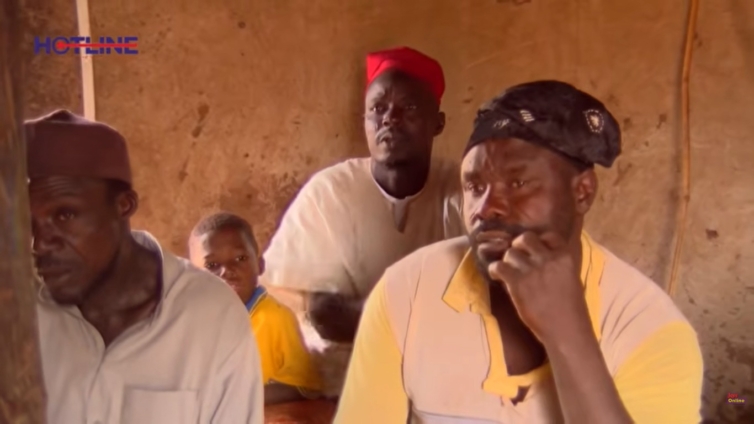
Northern Ghana is grappling with a severe and persistent water crisis, a situation vividly brought to light by the JoyNews Hotline Documentary titled “Thirst in the North.” This crisis is not merely a matter of daily chores; it profoundly impacts health, livelihoods, and even the intricate fabric of marital relationships within affected communities.
In Chiyifoyili, a farming community in Ghana's Upper West Region, residents face acute water scarcity, with only one of their two dams remaining functional. This single dam serves approximately eleven communities and their livestock, forcing residents to share vital water resources with animals, particularly during the dry season. The scarcity has led to significant disruptions in daily life and imposed an unbearable economic burden, as households, especially large families, are often compelled to purchase potable water at exorbitant prices. Alhasan Musa, speaking on behalf of the community, highlighted an intimate and unusual consequence, stating, “Even when it comes to sex, we are affected. Because when you have sex, there is no water to bathe, and this is affecting our relationships.” The chief of Chiyifoyili, Gbanaa, affirmed that the situation intensifies significantly during every dry season.
The documentary also sheds light on the broader health implications across all five regions of northern Ghana. Many health facilities in these underserved areas report daily cases of serious waterborne illnesses, including diarrhoea, cholera, typhoid, and skin rashes, all linked to the consumption and use of unsafe water sources. The situation in places like Buipe is particularly severe, underscoring the widespread nature of the public health emergency.
In response to the escalating crisis, Stanley Martey, the Director of Public Relations at Ghana Water Limited (GWL), acknowledged the challenges during an interview on Joy FM’s Super Morning Show on March 10. He attributed the persistent water shortages to rapid population growth that has pushed demand beyond current production capacity, alongside the ageing infrastructure of water treatment facilities. Despite these hurdles, Mr. Martey outlined several ongoing and planned interventions by GWL.
A major project underway is the Tamale water project, designed to provide substantial relief to communities in the Tamale municipality and Damongo by drawing water from the White Volta River. Additionally, a weir has been constructed to enable the extraction of more raw water for treatment. GWL is also addressing the issue of ageing pumps; currently, three pumps are operational, boosting water output, and equipment has been procured to retrofit other older pumps to enhance their efficiency. Mr. Martey admitted that even with full operational capacity, the growing population might still lead to supply shortfalls, especially in large urban centers.
For the numerous rural communities across the northern regions, GWL plans to rely on community-based water systems, primarily utilizing mechanised boreholes to supply residents within specific localities. Furthermore, a separate water project for Yendi is slated to commence soon. This intervention includes installing new pumps at the Yendi water treatment plant to increase water extraction, particularly during the harsh dry season when shortages are most severe. Dredging works are also underway to remove rocks obstructing water flow downstream during periods of low water levels, ensuring a more consistent supply.
Mr. Martey concluded with optimism, noting that the new Managing Director of Ghana Water Limited has prioritized improving water supply in northern Ghana, undertaking numerous visits to assess the situation and accelerate interventions. He expressed hope that these ongoing projects and upgrades would yield positive results, with the water situation potentially being resolved within the next two years.