Long Island Beaches Take a Beating as Nor’easter Tears Through Coastline
Long Island was battered by a severe nor'easter, resulting in millions of dollars in damage to coastal areas and significant beach erosion. Northwell at Jones Beach Theater sustained major damage, casting doubt on upcoming concerts, while experts link the storm's intensity and widespread erosion to climate change and rising sea levels, making the future of the region's coastlines uncertain.
A powerful nor’easter has left parts of Long Island dealing with serious flooding, beach erosion and infrastructure damage after several days of strong winds and high tides.
The storm battered beaches from Long Beach to the North and South forks, washing away large amounts of sand and damaging facilities along the coast. At Jones Beach, water reached the orchestra seats and promenade at Northwell at Jones Beach Theater, while sections of the fishing pier were also damaged.
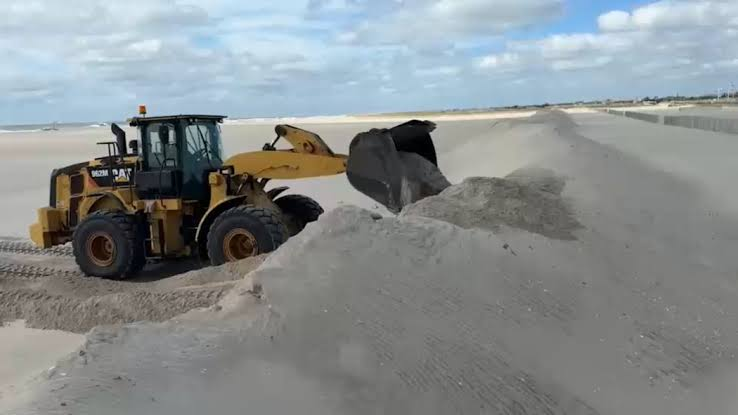
The damage comes after local officials spent days preparing for the storm, building sand berms and reinforcing vulnerable areas along the shoreline.
Jones Beach and other coastal sites take the hit
The Jones Beach theater was among the most visible casualties.
George Gorman, the Long Island regional director for New York State Parks, said water covered the orchestra area and reached into the promenade. The facility suffered damage to electrical and plumbing infrastructure as well as other areas.
Elsewhere at Jones Beach, the main berm helped protect parts of the park, but the fishing pier was damaged.
The storm also hit Gilgo Beach, where severe erosion removed large amounts of sand. Smith Point County Park lost beach stairs, while other parks and roads across Long Island were affected.
Some areas were temporarily closed as officials assessed the damage.
The sand keeps coming and going
For Long Island's coastal communities, rebuilding after storms is nothing new.
TOBAY Beach, on Nassau County's South Shore, regularly loses sand and requires replenishment. Before the latest storm, local officials had already been preparing the shoreline, including building berms to protect access tunnels.
That cycle is expensive. Oyster Bay officials have estimated that replacing about 90,000 tons of sand can cost roughly $3 million.
Long Beach has its own erosion problems, particularly on the eastern end of the city. Officials have been using drones to examine the shoreline and determine where the latest storm caused the most damage.
On the East End, the problem is even more visible. At Hither Hills State Park in Montauk, erosion created a cliff several feet high, while Orient Point State Park was affected by road damage.
Rebuilding the coast does not end the problem
The latest damage has revived a familiar question for Long Island: how much can communities realistically spend trying to hold a constantly shifting shoreline in place?
Beach nourishment can restore sand, but another major storm can remove it again. Hard structures such as seawalls can protect particular properties while potentially shifting erosion elsewhere.
The U.S. Army Corps of Engineers has also been carrying out the Fire Island to Montauk Point Coastal Storm Risk Management Project, a major federal effort involving beach nourishment and other measures to reduce storm and erosion risks.
Scientists expect rising sea levels and stronger coastal storms to put additional pressure on East Coast communities in the coming decades. But exactly how individual stretches of coastline will change remains difficult to predict.
For Long Island, the immediate task is more straightforward: assess what the nor'easter took away, repair what it damaged and work out how much more the next round of rebuilding will cost.