NNPC Battles Dangote Refinery Over Fuel Monopoly, Warns Against Anti-Competition Tactics
A significant legal battle is unfolding in Nigeria's petroleum sector as the Nigerian National Petroleum Company (NNPC) Limited challenges Dangote Petroleum Refinery's lawsuit against fuel import licenses. NNPC warns that restricting imports could threaten national energy security and foster monopoly, while Dangote argues that existing licenses undermine local refining capacity. This dispute, which also involves fuel marketers and regulatory bodies, carries implications for Nigeria's energy future and Dangote Refinery's upcoming IPO.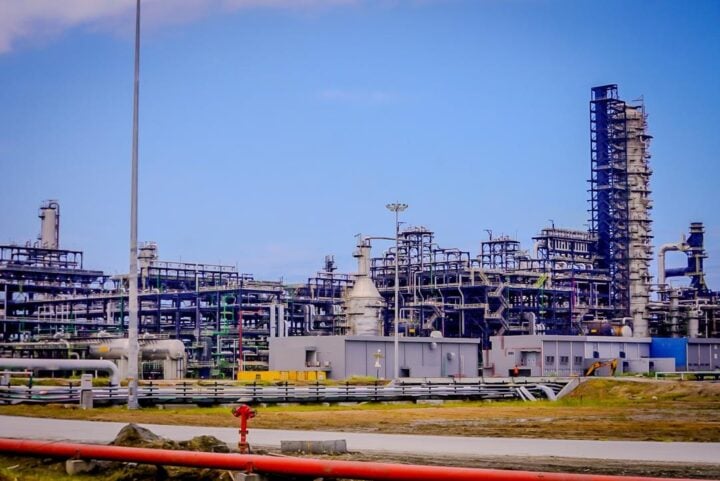
The legal landscape of Nigeria's petroleum sector is currently embroiled in a significant dispute, as the Nigerian National Petroleum Company (NNPC) Limited has vehemently opposed a lawsuit initiated by Dangote Petroleum Refinery. The core of the contention revolves around fuel import licenses issued to marketers, a challenge that NNPC warns could severely compromise Nigeria's energy security, expose the nation to supply disruptions, and foster monopoly control in the downstream petroleum sector. The national oil company has argued before the federal high court in Lagos that granting Dangote refinery’s request to void or restrict import permits would fundamentally threaten the country’s energy security and destabilise fuel supply.
Dangote Petroleum Refinery, a significant national investment with a capacity of approximately 650,000 barrels per day, filed its suit in April against the Attorney-General of the Federation and other relevant agencies, including the Nigerian Midstream and Downstream Petroleum Regulatory Authority (NMDPRA) and the Nigerian Upstream Petroleum Regulatory Commission (NUPRC). The refinery argues that the continued issuance or renewal of import licenses for Premium Motor Spirit (PMS), Automotive Gas Oil (AGO), and Jet A1 undermines local refining efforts and directly violates Section 317(9) of the Petroleum Industry Act (PIA). Dangote's interpretation of this section is that it restricts fuel imports solely to situations where a verifiable supply shortfall exists. The refinery maintains that, based on regulatory data, Nigeria already possesses sufficient domestic refining output, with its own operations capable of meeting 100 percent of Nigeria’s refined petroleum needs and generating an export surplus, thereby rendering further imports unnecessary.
Furthermore, Dangote Refinery alleges that these government agencies have fostered a hostile operating environment by persisting with import license issuance despite the absence of a supply shortfall. It also accused NNPC of failing to provide sufficient crude oil, claiming it receives only about five crude cargoes per month instead of the 13 required for optimal operation, compelling it to source crude internationally at higher prices. Dangote seeks an interim injunction to restrain the issuance of new import licenses pending the determination of the substantive suit, asserting that without such intervention, it stands to suffer irreparable financial and operational losses and that continued imports could jeopardise Nigeria’s long-term goal of energy self-sufficiency.
In stark opposition, NNPC Limited has urged the federal high court in Lagos to reject Dangote's requests, asserting that voiding or restricting import permits would fundamentally destabilize fuel supply, increase price volatility, and threaten national energy security. NNPC argues that the NMDPRA acted entirely within its statutory powers when issuing import licenses. It clarified that the law permits the issuance of licenses to companies with established local refining capacity or a proven track record in international crude and petroleum products trading. Additionally, NNPC emphasized that regulatory bodies retain discretionary powers to manage imports under Nigeria’s backward integration policy, and that there is no mandatory prohibition on fuel imports unless domestic supply is genuinely insufficient.
The national oil company firmly rejected Dangote Refinery’s interpretation of the PIA, insisting that fuel imports remain a lawful and crucial mechanism for stabilizing both supply and pricing within the domestic market. Moreover, NNPC disputed Dangote’s claims of being able to independently guarantee nationwide fuel supply, stating that the refinery has failed to provide credible, independent, or verifiable evidence to substantiate its asserted production capacity. NNPC also denied any allegations of deliberately withholding crude supply or attempting to sabotage Dangote’s operations, clarifying that crude allocation decisions are based on a complex interplay of operational, commercial, security, and logistical factors rather than any attempt to frustrate its operations.
The legal battle has expanded with the NMDPRA applying to join the suit, signaling a broader regulatory and policy conflict over fuel importation and market structure. Fuel marketers, who are direct beneficiaries of the existing licensing regime, have also vociferously opposed Dangote's suit. They echo NNPC's concerns, warning that restricting imports could significantly weaken competition within the downstream sector and gravely endanger supply stability across the country.
This escalating dispute carries added significance, particularly in light of Dangote Refinery's plans to conduct an initial public offering (IPO) in September. The legal uncertainties surrounding fuel import policy and Dangote Refinery’s growing market position could raise considerable concerns among investors regarding regulatory stability and market predictability in Nigeria’s crucial downstream oil sector. The court is yet to fix a date for hearing the substantive case, leaving the future of fuel importation and market competition in Nigeria's oil industry in a state of flux.