Nigerians Outraged as Tinubu Scales Back 2027 Campaign Travels Amid Insecurity Fears
President Bola Tinubu has announced he will limit his participation in campaign rallies for the 2027 general election, citing a need to focus on governance and economic responsibilities. While the President emphasizes his dedication to national duties, some Nigerians speculate that widespread insecurity, public anger over economic hardship, and concerns about his capacity might also influence this decision.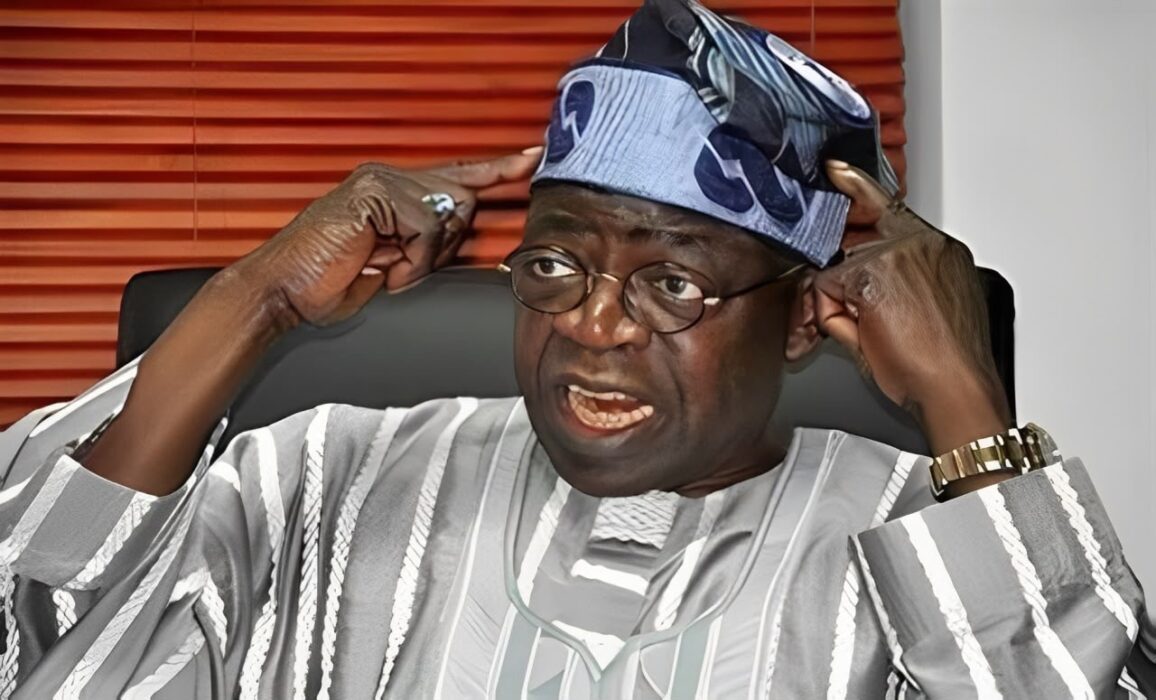
President Bola Tinubu’s recent announcement to limit his direct involvement in campaign rallies for the 2027 general election has ignited a debate among Nigerians, with various perspectives emerging regarding the underlying reasons for this strategic shift. The President explicitly stated his intention to prioritize governance and the nation's economic responsibilities, rather than dedicating extensive time to campaign events. This declaration was made during the inauguration of the All Progressives Congress (APC) Presidential Campaign Council in Abuja, where he tasked council members with disseminating the party’s message across states and local government areas while he focused on his presidential duties.
Tinubu emphasized the critical need for his attention on national affairs, stating, “Nigeria needs more attention now. So, you will excuse me from going everywhere with you, we have bills to pay. The American creditors cannot wait.” This statement underscores his commitment to the demands of his office and his desire not to be distracted by the rigors of an extensive campaign schedule.
However, some Nigerians have offered alternative interpretations for the President’s decision. Aliu Eke Balarebe, a Nigerian resident, pointed to three significant factors he believes could be influencing Tinubu’s reduced campaign participation: widespread insecurity, growing public anger over economic hardship, and concerns about the President’s health and capacity to sustain a demanding campaign itinerary. Balarebe suggested that the prevailing security situation in various parts of the country could render extensive travel challenging and potentially risky for the President.
Furthermore, Balarebe posited that public dissatisfaction with the administration’s policies and the current economic hardship could lead to confrontational encounters for the President at rallies. He argued that Nigerians grappling with economic woes might use such events to demand accountability and explanations from the President, a scenario he believes Tinubu wishes to avoid. “He is running away from his own record. He is afraid that Nigerians are angry with him. Nigerians are so burdened that they are living in hardship, and there is a lot of anger. They are going to challenge him at the rallies, and he does not have anything to say to Nigerians,” Balarebe stated during an interview.
Lastly, Balarebe also raised questions regarding the President’s physical capacity and health to undertake a rigorous, nationwide campaign, implying these could be contributing factors to his decision to delegate campaign activities to party officials. It is important to note, however, that Balarebe did not provide specific evidence to substantiate his claims concerning the President’s health or the various motivations behind this decision.