Nigeria Wants Its Diaspora to Invest. What About Their Vote?
A 20-year push has produced bills, proposals and even an INEC “Very Urgent” call, but Nigerians living abroad are still shut out of the ballot.
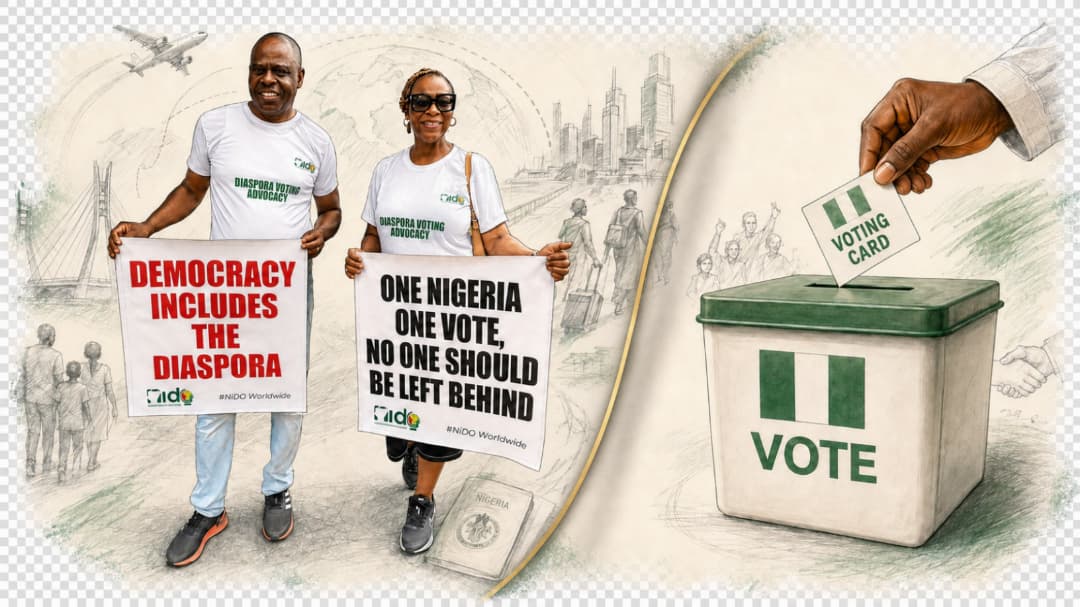
Nigeria wants more from its diaspora, but still won't let them vote from abroad.
At theNigeria Diaspora Economic Conference in Toronto from August 13 to 15, the government asked Nigerians abroad to put more money and expertise into Nigeria through investment, partnerships and job creation.
Nigerians abroad sentabout $21.8 billion home in 2025. Yet Nigerians living outside the country still cannot vote in Nigeria's national elections from their countries of residence.
Nigeria is asking more from its diaspora economically, while the rules for voting abroad have barely moved. With 2027 approaching, the difference is hard to ignore.
Twenty Years, Still No Vote
Nigeria has been trying to make voting from abroad possible for roughly two decades.
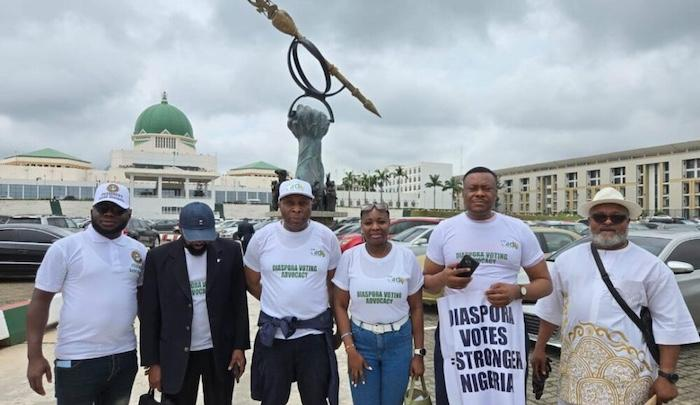
In 2012, lawmakers including Abike Dabiri pushed legislation for absentee voting. In 2020, then-INEC chairman Mahmood Yakubu called for legal changes, followed by another government push in 2021.
The most significant setback came in March 2022, when a proposed constitutional amendment on diaspora voting failed during the National Assembly's constitutional review.
The issue returned in the 10th Assembly: abill sponsored by Speaker Tajudeen Abbas and Sodeeq Abdullahi passed second reading in the House in November 2024. It sought to amend Sections 77(2) and 117(2) so that eligible Nigerians residing outside the country could register to vote.
Diaspora voting also appears in the Senate's current constitutional reform material as SB 255, while a separate2025 Electoral Act amendment bill proposes electronic and online voting for registered Nigerians living outside Nigeria.
After two decades of proposals, there is still no system for voting abroad. The legal changes needed to make it possible sit with the National Assembly. INEC has said it is ready to work on registration and voting once the Constitution and Electoral Act are amended.
The Practical Problems
How would Nigerians abroad register? How would INEC verify identities? Would voting take place at embassies and consulates, through postal ballots or online? Which constituency would someone who has lived abroad for decades vote in? How would the system prevent multiple voting and protect ballots across jurisdictions?
Nigeria's elections already require extensive logistics and security arrangements at home. Extending the process across countries would add cost, staffing, verification and technology challenges.
Someone who left Nigeria decades ago may experience Nigerian policy differently from someone who has remained there throughout. Yet that person may still own property, run a business, support relatives or plan to return.
Diaspora Connect
Stay Connected to Home
From Lagos to London, Accra to Atlanta - We Cover It All.
Those ties can explain why someone abroad still cares about Nigerian policy, but they should not become a test for who gets a vote. Citizenship, rather than property, money or plans to return, is the clearer line.
The 2025 online-voting proposal raises another option. An online ballot could remove the need for polling stations abroad, but the legal basis, registration and security of the vote would still have to be worked out.
What Other African Countries Do

Senegal, Benin, South Africa, Kenya and Rwanda all allow citizens abroad to take part in elections, although the systems differ.
From July 6 to 8, African electoral authorities met in Sharm El-Sheikh for the 10th Annual Continental Forum of Election Management Bodies under the theme "African Citizens Abroad (Diaspora) Voting: Progress, Gaps and Prospects."

In Senegal, citizens abroad vote at polling stations set up in other countries. It is a physical system, not an online one.
Nigeria has those systems to study, yet, the legal framework still has to change before INEC can run an overseas vote.
The Money Is Already There
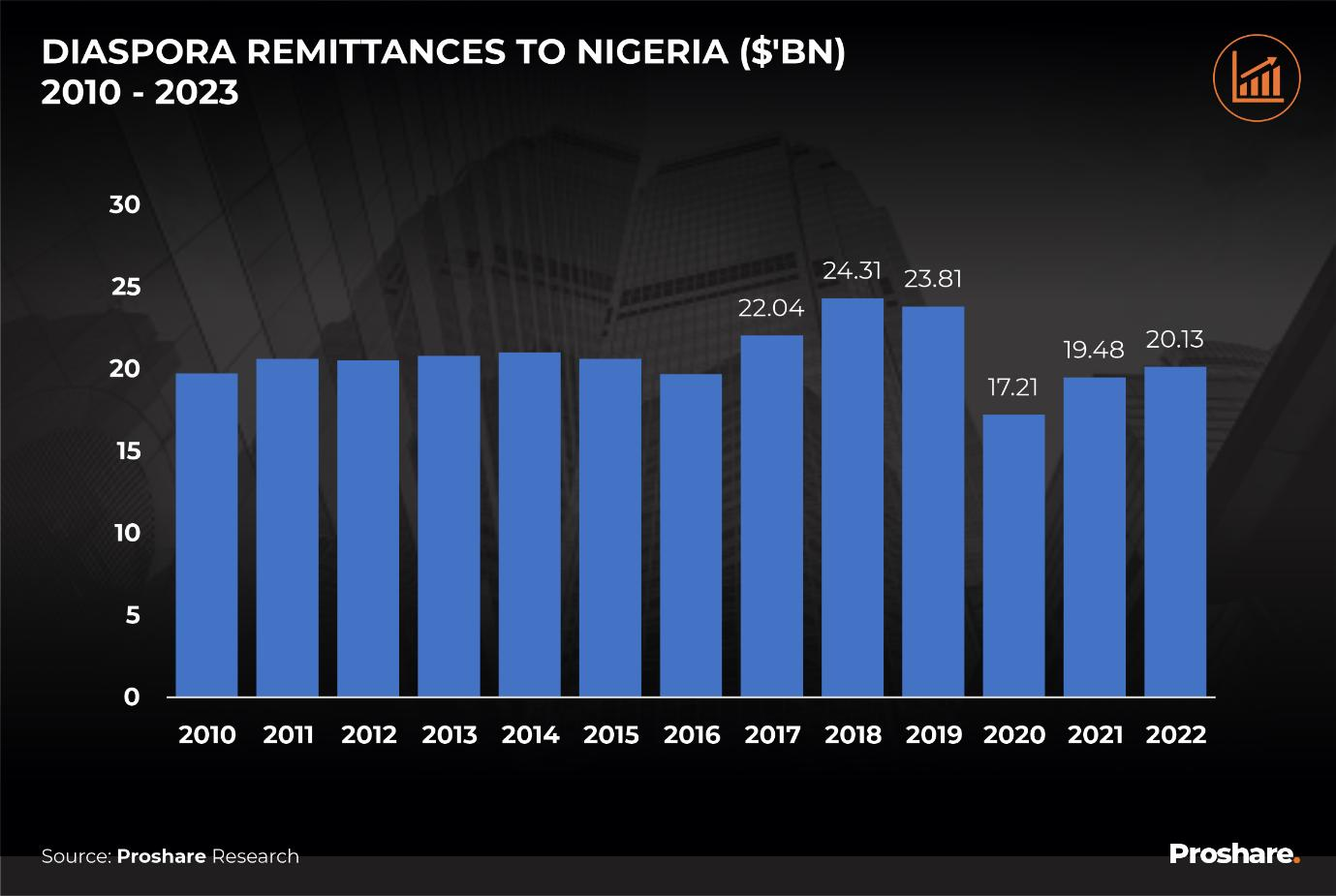
More than 17 million Nigerians are estimated to live abroad. In 2026, the government is asking for investment, businesses, expertise and jobs as well as remittances.
Money is not an argument for voting but Nigerians abroad are being asked to take a larger role in the country while they still cannot vote from where they live.