Nigeria Shifts Economic Strategy: Government Aims for Less Debt, More Investment
Nigeria's Finance Minister Wale Edun announced the government's commitment to reducing borrowing and attracting investment, emphasizing fiscal consolidation and revenue generation. Speaking at the World Economic Forum, Edun highlighted strategies to boost domestic investment, increase savings, and reduce the debt-to-GDP ratio through tax reforms and technology. The focus is on a stable macroeconomic environment to draw both local and foreign capital.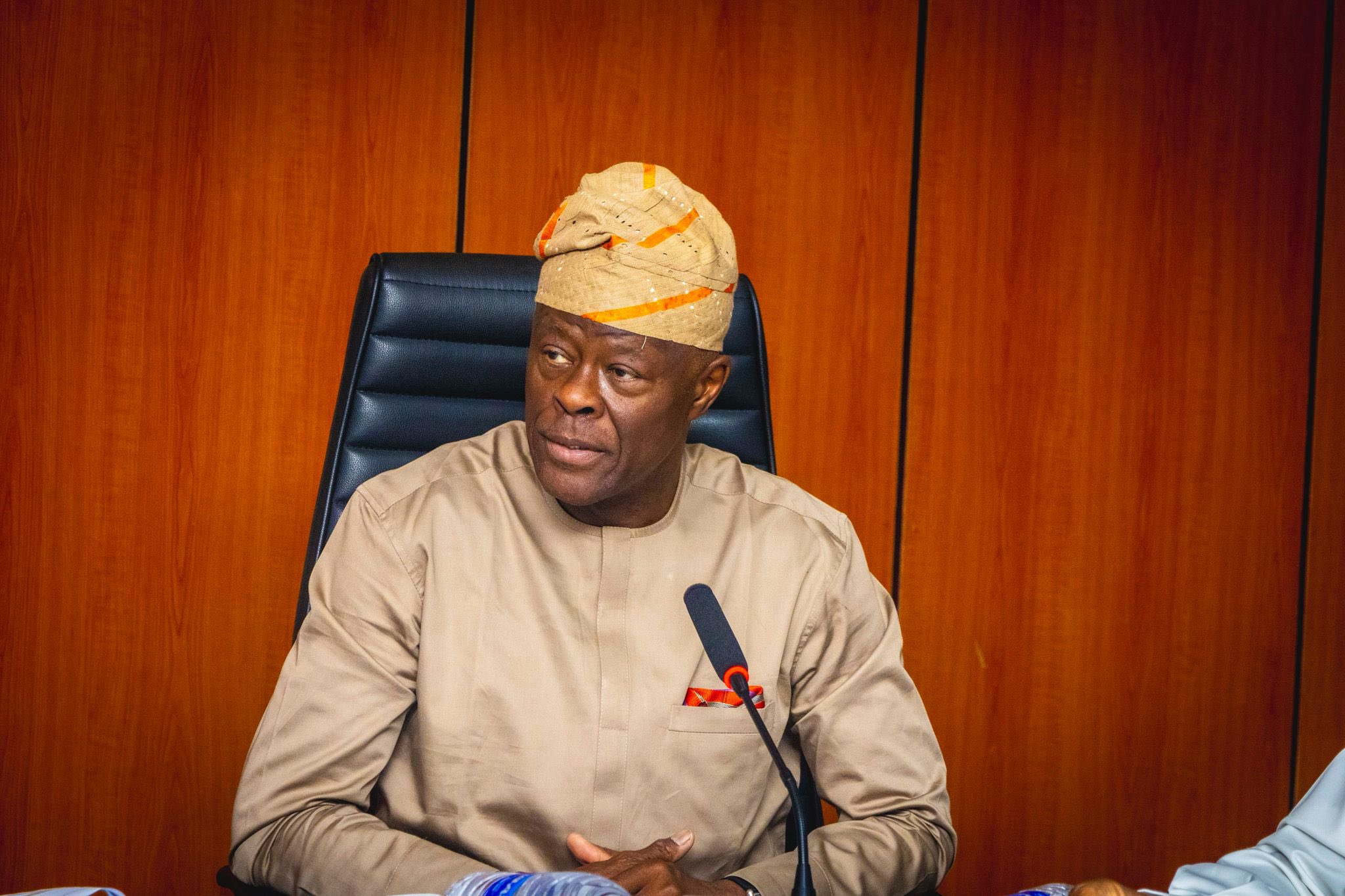
Nigeria’s Minister of Finance and Coordinating Minister of the Economy, Wale Edun, has reaffirmed the Federal Government’s commitment to reducing reliance on borrowing while aggressively attracting investment into the economy. Speaking to Bloomberg TV on the sidelines of the World Economic Forum in Davos, Edun said the Tinubu administration is prioritizing fiscal discipline and investment-led growth under its Renewed Hope Agenda.
He explained that although the 2026 budget reflects a wider deficit on paper, the government is firmly focused on fiscal consolidation following key reforms that have removed structural distortions and improved macroeconomic stability. According to Edun, the administration’s central objective is to consolidate recent gains, lower dependence on debt, and stimulate investment—particularly domestic investment—as the engine of sustainable growth.
Edun said Nigeria’s presence at Davos was aimed at projecting the country’s renewed investment appeal. “We’re here in Davos to tell the Nigerian story and to show how investible Nigeria is now that we have a stable macroeconomic environment,” he noted. While Nigeria has the capacity to issue another Eurobond, he stressed that any return to international debt markets would depend strictly on favorable conditions and adherence to borrowing limits.
Rather than external borrowing, the government’s immediate focus is boosting revenue and mobilizing domestic resources to reduce the debt burden. Nigeria’s debt-to-GDP ratio stood at 39.4 percent in Q1 2025 following GDP rebasing, with the IMF projecting a decline to 35 percent by 2026. To achieve this, Edun said the government is implementing four new tax reform laws aimed at raising the tax-to-GDP ratio from about 13 percent to 18 percent, alongside deploying technology to improve revenue collection and eliminate leakages.
He added that with the private sector accounting for about 90 percent of GDP, the administration is strengthening incentives to encourage higher consumption, savings, and investment by Nigerians, the diaspora, and foreign investors. The government is also exploring investment inflows from cash-rich regions such as the Middle East as part of its broader investment drive.