Nigeria's Political Earthquake: Senate Moves to Revolutionize Presidency, Governorship with Six-Year Single Term
Senate Leader Bamidele pushes for a single six-year presidential term, state policing, and military spending transparency as Nigeria's governance and security debates intensify.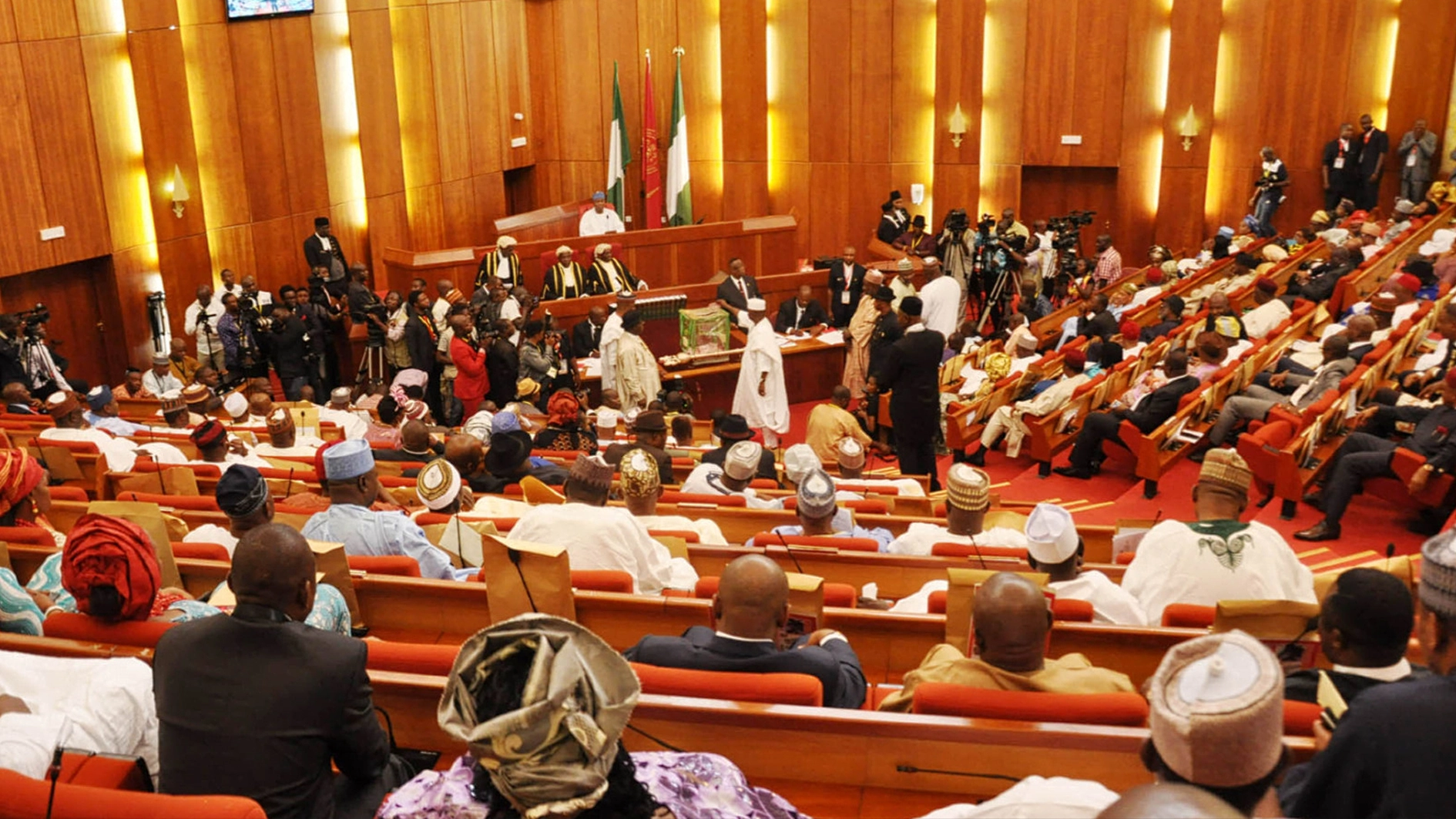
Discussions around crucial governance and security reforms are gaining momentum in Nigeria, with key figures advocating for significant constitutional amendments and strategic approaches to national challenges.
Senate Leader Opeyemi Bamidele has emerged as a central voice, outlining prospective legislative actions and defending the integrity of the 10th National Assembly's performance.
A notable proposal spearheaded by Senator Bamidele is the introduction of a constitutional amendment bill in the forthcoming 11th National Assembly, seeking to establish a single six-year term for both the President and state governors.
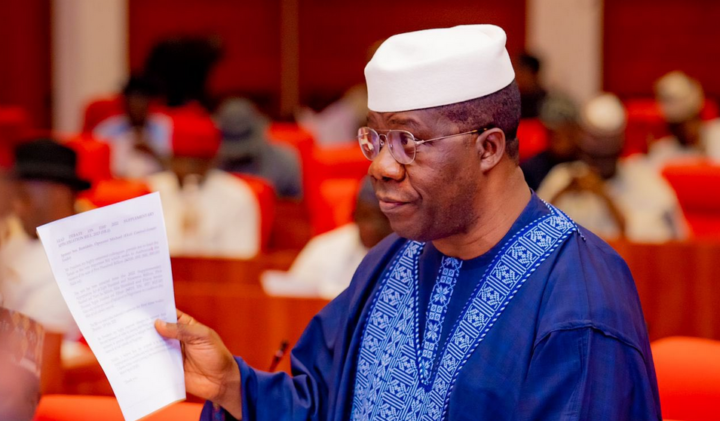
This initiative aims to replace the existing two-term tenure system, with the primary objective of enhancing governance by mitigating the distractions and resource allocation associated with re-election campaigns.
Bamidele articulated that a single, longer term would empower leaders to dedicate their full efforts to national development from day one, fostering improved performance without the shadow of future electoral contests.
He emphasized, "If you know you are there for six years, only one tenure, you put in your best from day one. You know this is the only chance that you have."
The Senate Leader also robustly defended the 10th Senate against criticisms of being a "rubber-stamp" legislature, particularly concerning its relationship with President Bola Tinubu's administration.
Bamidele clarified that the upper chamber deliberately adopted a strategy of constructive engagement and collaboration with the executive arm, prioritizing national interest over public confrontations.
He revealed that many disagreements and policy concerns were resolved through extensive consultations and closed-door negotiations before reaching the Senate floor, citing the administration's tax reform programme as an example.
He argued that genuine legislative independence should not be misconstrued as perpetual public disputes, but rather effective collaboration that yields critical reforms, such as the passage of tax legislation and interventions on key appointments.
Another significant point of defense from Bamidele was the Senate's decision to reject a proposal for a fresh public probe into military spending related to the fight against terrorism. He argued that initiating a public investigation during ongoing combat operations would undermine national security efforts and essentially put the armed forces "on trial in the middle of a war."
Bamidele stressed that military personnel are making immense sacrifices under difficult circumstances, and that existing legislative oversight mechanisms, through Senate committees on Defence, Army, Navy, and Air Force, already provide sufficient accountability for military expenditures, including scrutiny of budgets and procurement processes, without jeopardizing sensitive security operations.
He acknowledged that many details of military operations and acquisitions cannot be openly discussed due to national security considerations, while expressing confidence in the military's significant successes against insurgent groups despite recent retaliatory attacks.
The intensifying debate on national security has brought the call for decentralized policing to the forefront. Senate Leader Bamidele, alongside traditional and security experts, has renewed advocacy for the urgent establishment of state and local council police forces.
Iba Gani Adams, the Aare Ona Kakanfo of Yorubaland, at a virtual international conference, urged President Tinubu and the National Assembly to legislate a framework for state policing, asserting that the current centralized system is inadequate to tackle localized and escalating security threats.
He argued that decentralization would empower states to protect citizens more effectively, improve intelligence gathering, and build trust between law enforcement and communities. Similarly, Maj-Gen. Ishola Williams (rtd), speaking at the same conference, highlighted Nigeria’s challenge as a lack of public safety rather than security structures.
He pointed out existing outfits like Amotekun Corps and Neighbourhood Watch, noting their poor equipment and intelligence capabilities against well-armed terrorists. Williams also stressed citizen accountability for state governors' utilization of security votes and advocated a greater role for traditional rulers at the grassroots in tackling insecurity.
These calls for policing reforms are echoed by civil society groups. Open Alliance, a coalition of civil society organizations, convened a stakeholder dialogue on ‘Devolution of Policing in Nigeria: Pathways to Effective and Accountable State Policing’.
The coalition emphasized the critical need for greater attention to accountability, transparency, human rights protections, and citizen participation in any proposed devolution of policing powers.

Participants in the dialogue stressed that the effectiveness of any policing system hinges not just on its structure but also on robust oversight institutions and safeguards for citizens’ rights, viewing state police as part of broader reforms to improve trust and service delivery.
Open Alliance reiterates the need for evidence-based policymaking, inclusive dialogue, and strong accountability frameworks for a policing system that is effective, transparent, and responsive to Nigerians’ needs.
Beyond security, Bamidele has also challenged the Revenue Mobilisation Allocation and Fiscal Commission (RMAFC) to publicly disclose the salaries, allowances, and benefits of all public office holders, including members of the National Assembly, ministers, commissioners, and state legislators.
He maintained that legislators do not determine their own remuneration, and public misconceptions about lawmakers’ earnings stem from a lack of transparency from the constitutionally empowered commission.
Making this information public, he argued, would dispel widespread assumptions about the financial privileges of public officials and foster greater trust. He also clarified that official vehicles provided to lawmakers are government assets for legislative duties, not personal property.
In terms of combating violent crimes, Bamidele reaffirmed his support for the death penalty for convicted kidnappers, noting that recent court decisions reflect a growing national consensus for stronger sanctions.
He also disclosed that an anti-terrorism bill, which he sponsored, is nearing final legislative approval, aiming to strengthen the legal framework against such menaces. Reflecting on the 10th Senate’s performance, Bamidele highlighted its achievements in economic reform, taxation, education, agriculture, and institutional development as having far-reaching benefits.
While acknowledging the controversy surrounding the suspension of a female senator as a low point that temporarily overshadowed legislative work, he expressed confidence that the reforms enacted would significantly contribute to national development and improve citizens' welfare.