Nigeria Is Taking Sachet Alcohol Off the Shelves. Will That Actually Stop Harmful Drinking?
A ₦100 sachet could put strong alcohol within easy reach. Nigeria is removing the format, but will that actually curb harmful drinking?
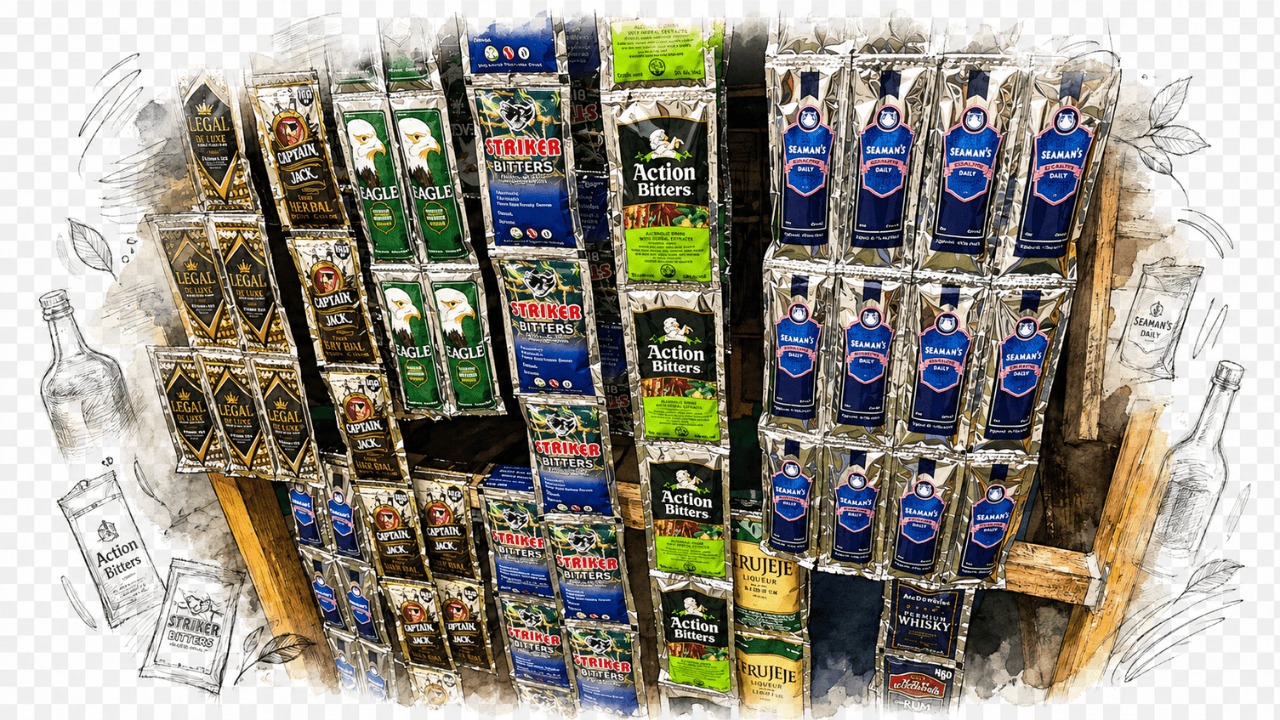
For around ₦100, you could walk into a roadside shop and buy a sachet of strong alcohol.
That made sachet alcohol particularly difficult to regulate because it’s cheap, easy to carry and easy to hide.
Now, for a teenager, getting one could require very little money or effort and for an adult, it could make buying alcohol as casual as picking up any other small item from a roadside shop.
So Nigeria’s decision to take sachet alcohol off the market is understandable.
NAFDAC is now enforcing the restriction on alcoholic drinks sold in sachets and in PET or glass bottles below 200ml. The agency has linked the policy to underage drinking, harmful alcohol consumption and the easy availability of alcohol to young people.
A country should be concerned when strong alcohol can be bought for very little and in a form that is easy for a teenager to conceal. The fact that plenty of adults bought these products without becoming problem drinkers does not change that concern.
But there is a temptation here to make the sachet carry more responsibility than it can.
Taking away a package does not take away the reason people were buying what was inside it.
The sachet made alcohol easier to buy but the demand remains.
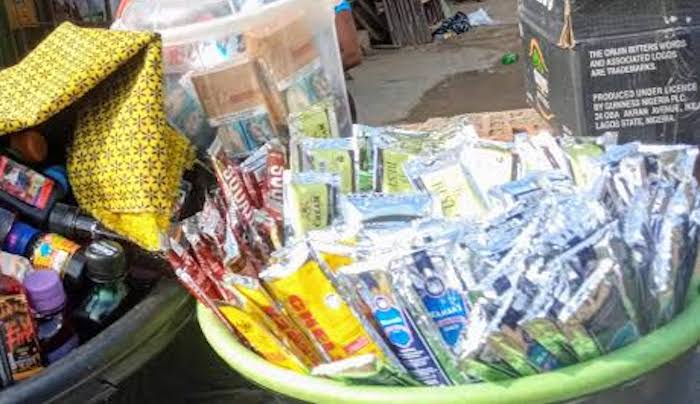
Someone who bought a sachet because it was cheap may now buy a larger bottle. Someone else may switch to another alcoholic drink. Some buyers may simply decide the higher cost is no longer worth it.
There is also the possibility that people looking for cheap alcohol turn to sellers outside the regulated market.
That would create a difficult situation for a policy meant to protect public health. Unregulated products are harder to monitor, and consumers have less protection over what they are buying.
None of this is a reason to keep sachet alcohol on the shelves. It is a reason to look beyond the shelves.
For years, the format worked because it fitted the way many Nigerians buy things: small quantities, low prices and easy access. Removing the sachet changes one part of that equation but doesn't change why someone wanted a cheap drink in the first place.
Seizures are easy to count. Behaviour is harder.
NAFDAC can report the number of products seized, factories sealed and prohibited drinks removed from shops.
Those figures will show that the agency is enforcing the rule but will not show if the policy is reducing alcohol-related harm.
For that, Nigeria needs to watch what consumers actually do.
Are teenagers finding alcohol harder to obtain? Are former sachet buyers moving to larger bottles? Are other cheap alcoholic products filling the gap? Has the illegal market grown?
Those outcomes tell us much more than the number of cartons removed.

Nigeria has also launched its National Alcohol Policy and Multisectoral Implementation Plan for 2026–2030, which covers public education, access restrictions, regulation, treatment and monitoring.
That wider approach makes sense because the drinking problem is bigger than the package it comes in.
Businesses have had to adjust too
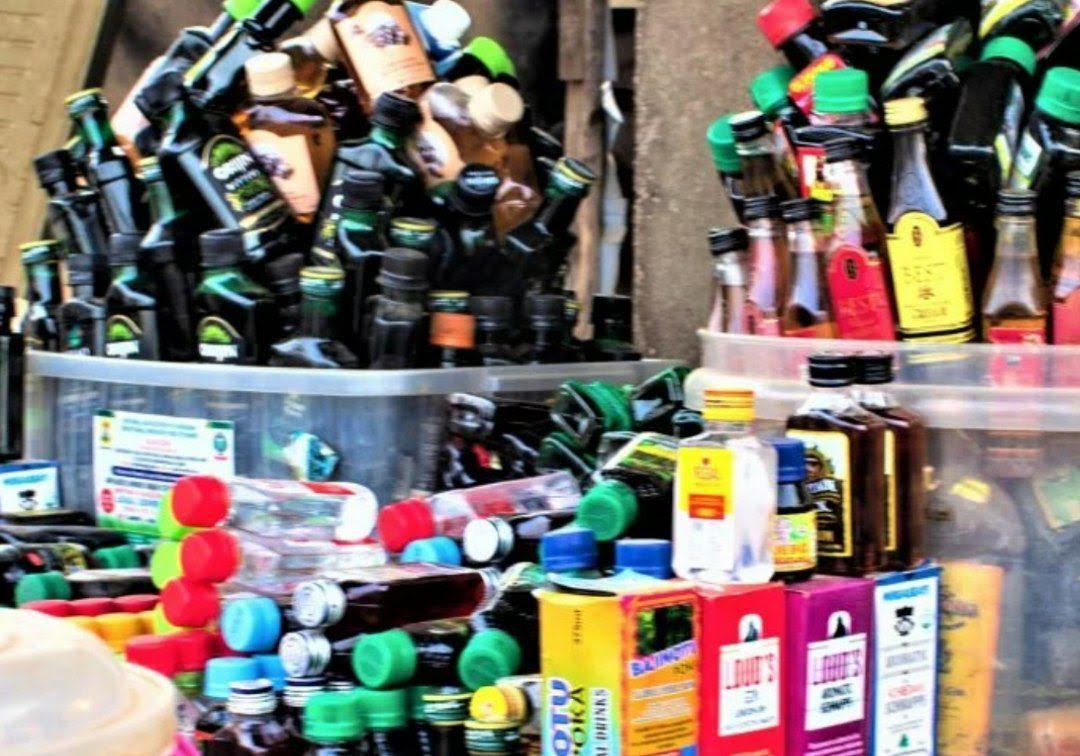
Manufacturers, distributors and small retailers have had to change how they operate. Some businesses relied on these products for part of their sales, so removing them has consequences beyond the factory floor.
But the restriction did not sprung on the industry overnight, the phase-out followed years of warnings and extensions before full enforcement began in 2026.
The decision has now been made and the useful thing left to do is measure its effect properly.
If young people find alcohol harder to obtain and harmful consumption falls, the policy will have achieved what it set out to do.
If consumers simply move to larger bottles, different products or unregulated alcohol, Nigeria may have successfully removed sachets without making much progress on the underlying problem.
The point is not to argue against the restriction but to hold it to the result it was introduced to deliver.