Nigeria Is Investing Billions in Oil. Is It a Smart Bet in the Age of Electric Cars?
Nigeria is investing $30 billion to $50 billion in oil before 2030. But with EV adoption accelerating, is its long-term oil bet still a smart investment?
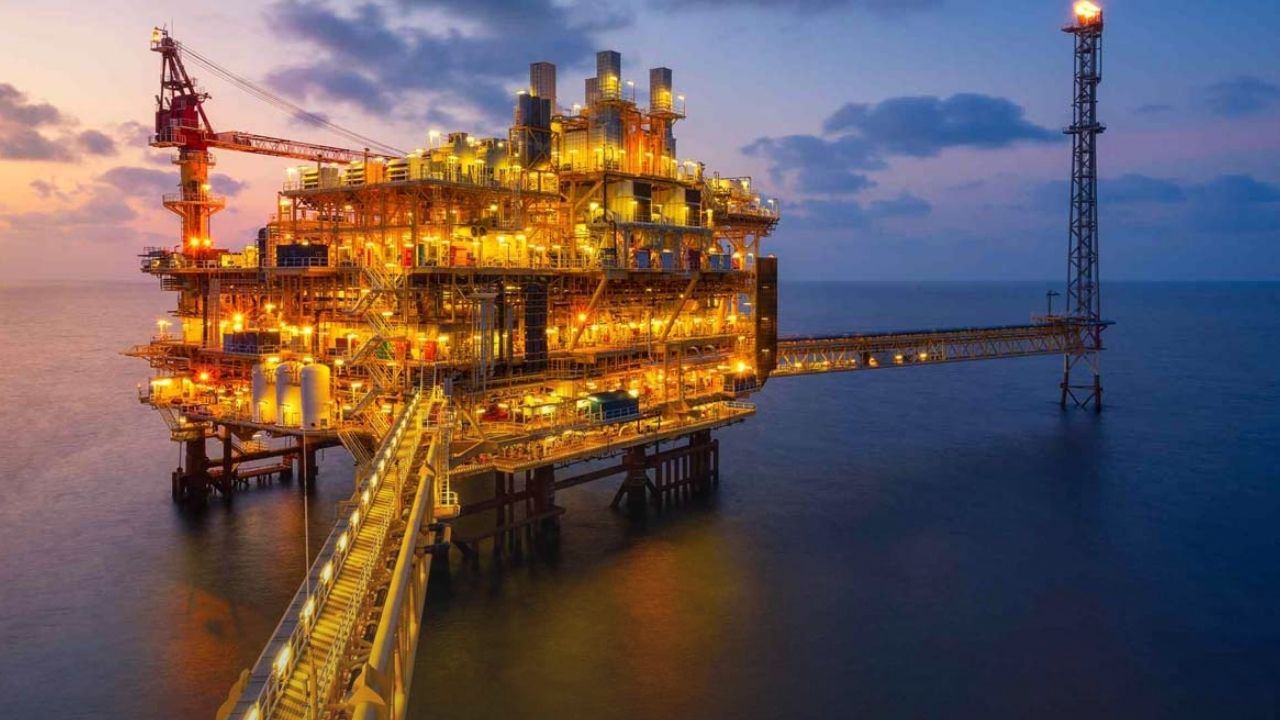
Nigeria told the world it wants to invest $30 billion to $50 billion in oil money before 2030.
At the same time, electric vehicles are eating into global oil demand faster than they were five years ago, and the agencies that used to defend "peak oil by 2030" are now hedging their own forecasts.
What Nigeria should be asking right now is not whether oil still makes money today. It is whether a multi-decade infrastructure bet still makes sense in a market that electric cars are reshaping.
Nigeria's Oil Investment Numbers, Explained
The Nigerian Upstream Petroleum Regulatory Commission says 22 major offshore projects are expected to move forward between 2026 and 2030, with investment potential estimated at $30 billion to $50 billion.
Since 2024, the regulator has approved more than $57 billion in field development plans, some of which have already reached its final investment decision stage.
NNPC has separately talked about attracting $30 billion to $60 billion in fresh investment by 2030, alongside a target of hitting 2 million barrels per day by 2027 and 3 million barrels per day in the long term.
There are also individual project commitments in the picture. ExxonMobil has a $1.5 billion plan for 2027 to revive the Usan deepwater field, with early work on the Owowo and Erha assets.
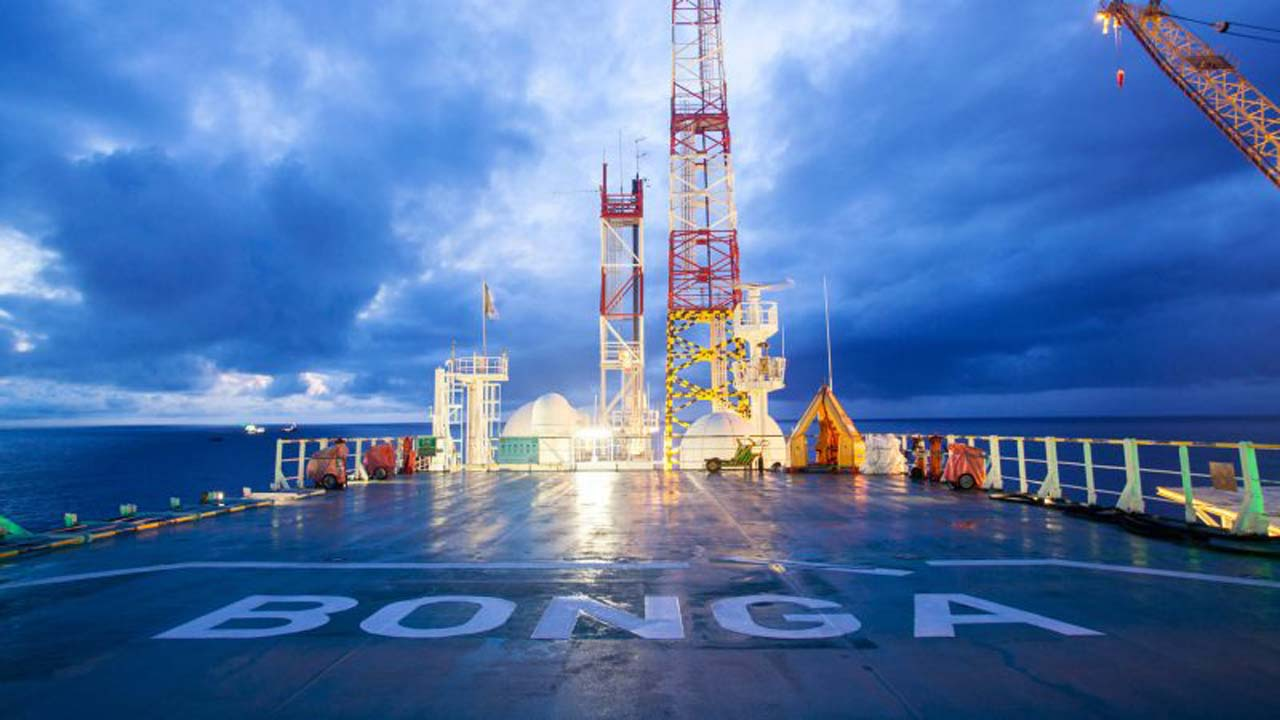
Shell's Bonga South West/Aparo development has gained fresh momentum after new fiscal incentives, and Chevron is bringing in a new rig near the Agbami field in late 2026.
Capital is already being deployed under a reformed Petroleum Industry Act framework that has made Nigerian deepwater terms more competitive than they were a few years ago.
What Assumptions Make This Oil Bet Sensible
For Nigeria's oil push to pay off, a few things need to be true.
The first is that global oil demand keeps growing through the early 2030s. The IEA's own numbers support this.
Its 2025 outlook put global demand near 105.5 million barrels a day by the end of the decade, and its most recent World Energy Outlook scenario even predicted demand climbing toward 113 million barrels a day by 2050, largely driven by petrochemicals and jet fuel.
The second assumption is that Nigeria's crude, priced and structured through favourable contracts, keeps finding buyers even as some markets shrink.
Nigeria exports the bulk of what it produces. Its own citizens driving fewer petrol cars in 2040 doesn’t change a thing if refiners in Asia and other non-OECD markets are still buying.
The third is that deepwater projects approved today actually reach production before the market shifts under them. Offshore fields sanctioned in 2026 typically do not produce first oil until the early 2030s.
Nigeria is essentially betting that the 2030s oil market still rewards new supply, not that it has already been replaced.
Why Electric Vehicles Haven't Killed Oil Demand Yet

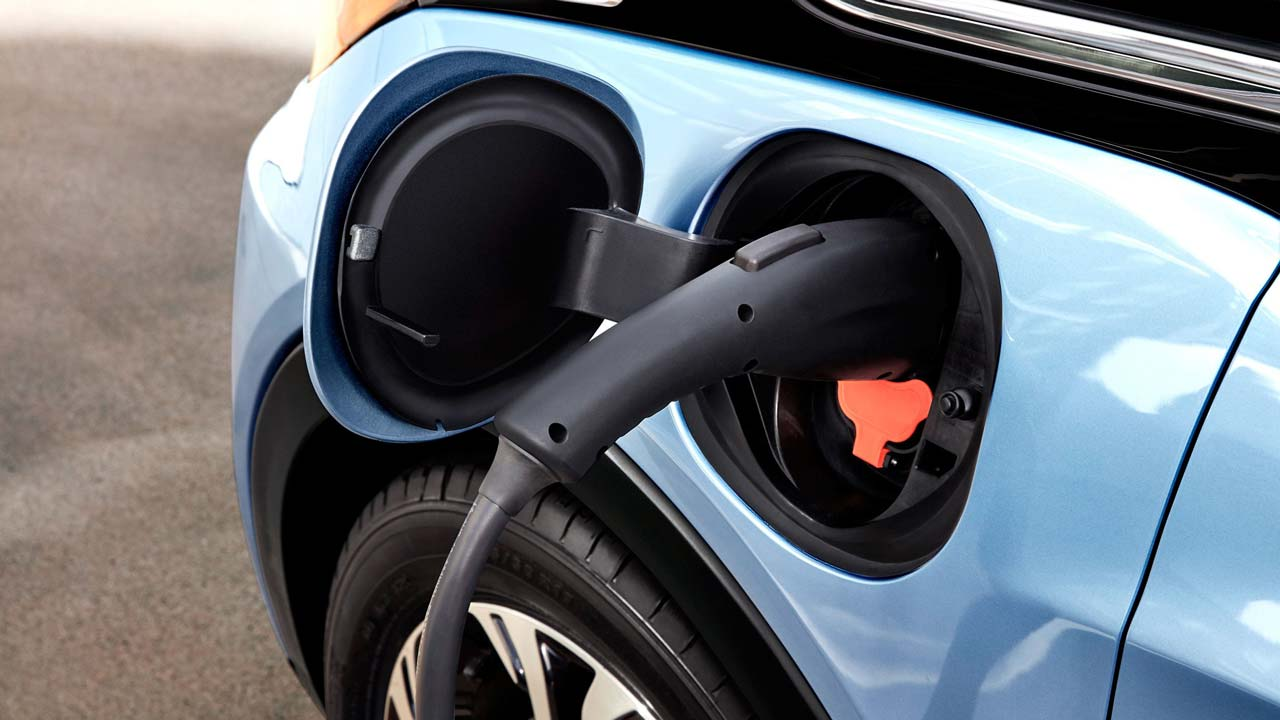
Global EV sales reached about 20 million units in 2025, roughly one in four new cars sold worldwide. That sounds impressive until you separate it by region.
China is racing ahead, with EVs hitting more than 60 percent of monthly car sales in some months. However, EV momentum has slowed in the United States and parts of Europe, partly due to reduced subsidies and stronger competition from hybrids.
The oil displacement numbers tell us something. EVs displaced around 1.7 million barrels of oil demand per day in 2025 and the figure is expected to almost triple to roughly 5 million barrels a day by 2030.
Five million barrels sounds like a lot, but global oil demand sits above 105 million barrels a day. Even the IEA's more conservative case still shows global oil demand climbing before it peaks..
Nigeria is betting on global crude and gas buyers, mostly in Asia and other non-OECD economies where car ownership is still rising and EV infrastructure is far behind China's.
What Happens If the Assumptions Turn Out Wrong
If EV adoption in China and Southeast Asia accelerates faster than current projections, global demand could peak earlier than 2030 instead of drifting toward it gradually.
In that scenario, Nigeria's newest offshore fields would come online right as buyers start pulling back.
There is also a financing risk embedded in the timeline itself. Deepwater projects need years of capital spending before they produce a barrel.
If oil prices soften because supply from Nigeria, Guyana, Brazil and the Gulf all arrive around the same window, projects sanctioned today could face weaker returns than the ones modeled when they were approved.
Nigeria would still owe the infrastructure and debt service tied to that investment, regardless of what the market pays for the oil it eventually produces.
Gas Is Nigeria's Quiet Hedge
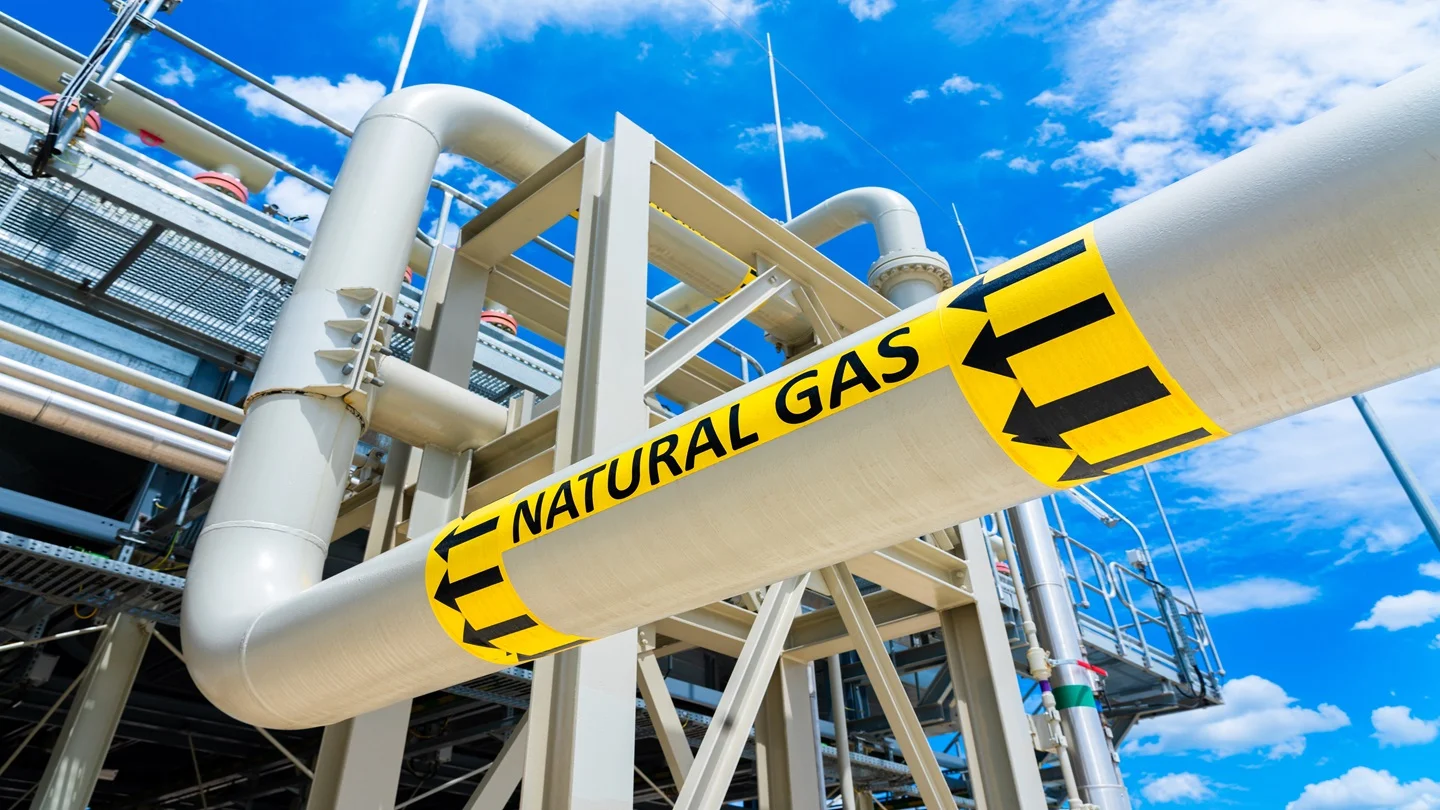
Much of the country's newest capital is going into gas, not oil. NLNG's Train 7 project, a roughly $10 billion expansion at Bonny Island, will lift liquefaction capacity from 22 to 30 million tonnes a year once commissioning finishes in 2027.
Nigeria holds around 202 trillion cubic feet of proven gas reserves, the ninth largest in the world, and gas demand is not facing the same EV-driven pressure that gasoline demand is.
President Bola Tinubu's "Decade of Gas" push signals that Aso Rock understands the exposure. Gas fuels power generation, industry and petrochemicals, sectors where electric vehicles have no direct substitution effect at all.
Is Nigeria's Oil Bet Actually Smart
Nigeria's $30 billion to $50 billion oil push is a bet on timing. It assumes global demand has another decade of room before EVs bite hard enough to matter, and it works with that assumption, placing a parallel bet on gas.
This is what makes the strategy more calculated. The real danger is not electric cars parked in Lagos driveways by 2040. It is a global demand peak arriving earlier than 2030, right as Nigeria's newest offshore fields are only just getting started.