NDLEA Wants Parents to Look Out for Gummies. What Should They Actually Looking Out For?
NDLEA warns Nigerian parents about drug-laced gummies, but the seizures reveal a bigger story about evolving drug trafficking and concealment networks.

The National Drug Law Enforcement Agency (NDLEA) has asked Nigerian parents to pay closer attention to their children's craving for cookies and gummies. The warning was issued by the agency's director of media and advocacy, Femi Babafemi, in an X post where he points to a growing problem of illicit drugs disguised as everyday snacks.
However, taking a closer look at the same set of seizures shows a trafficking network far more organised than a bag of sweets left in a child's schoolbag.
What NDLEA Actually Said
In the X post, Babafemi wrote: "If your kids and young ones always crave cookies and gummies, you may have to pay a little more attention."

He added that recent seizures by NDLEA officers point to "a desperate attempt by criminal elements to smuggle in illicit substances under the guise of cookies and gummies."
The photos accompanying the post showed colourful pouches labelled "Cookies Delta 8 gummies," packaged in flavours such as Hawaiian Rain, Pineapple Guava and Thai Mango.
On the surface, they look like the kind of snack sold in any corner shop or roadside kiosk which is precisely the point NDLEA is making. The packaging is designed to blend in.
The Delta-8 Problem Nigeria Is Not Fully Talking About
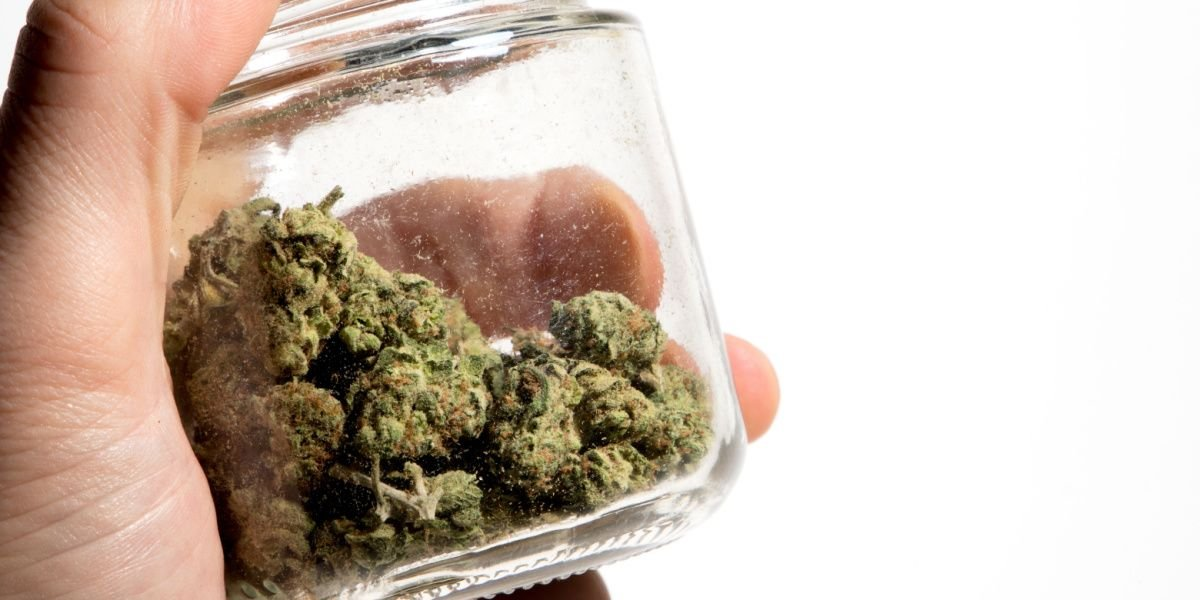
Delta-8 THC is a cannabis compound that produces psychoactive effects similar to marijuana, although it is generally milder. It has become a common vehicle for drug-infused edibles internationally, and it is often sold in branded packaging that mimics legitimate snack products.
Its appearance in NDLEA seizures signals that Nigeria is not isolated from the global trend in cannabis edibles and this is not a one-off discovery of a suspicious bag of gummies. It reflects a supply chain that has already found its way into the country's informal retail space.
NDLEA's warning narrows the issue down to children snacking on gummies without knowing what is inside them. As much as such framing is useful for public safety messages, it understates how the product actually moves and who is consuming it.
A Trafficking Operation Bigger Than Snack Packaging
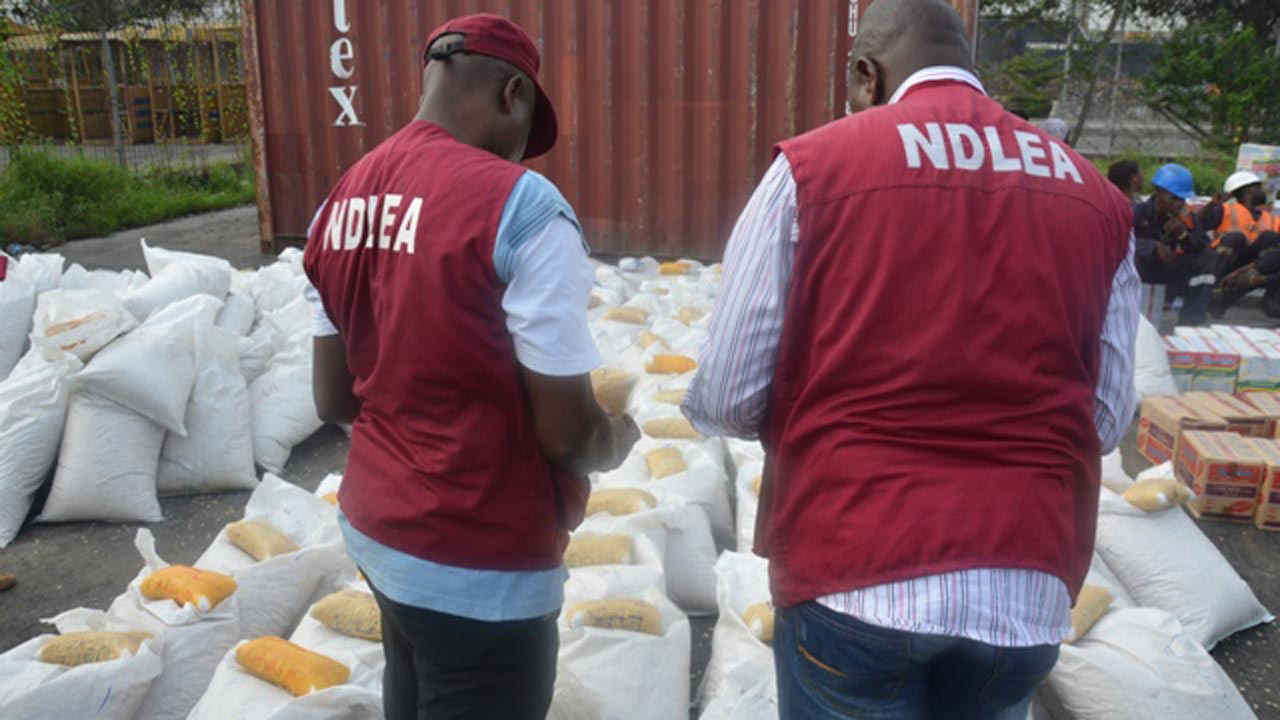
The same day Babafemi issued the gummies warning, he shared a separate update from NDLEA about how the agency had intercepted cocaine concealed inside phone chargers, destined for Saudi Arabia.
"On the surface value, these are phone chargers, but NDLEA officers won't fall for that. Concealed in there are consignments of cocaine going to Saudi Arabia," he said.
He also warned travellers against helping others deliver parcels or luggage without knowing the contents. He cited the increasing desperation of traffickers to use unsuspecting couriers.
If read together, the two disclosures describe the same operation from different angles. One concealment method targets outbound international routes using everyday electronics. Another targets domestic distribution using snack packaging that mimics children's treats.
Both rely on disguise and both point to a trafficking infrastructure that is adapting concealment methods fast. The gummies story shows how deeply embedded these concealment tactics have become in Nigeria's illicit drug economy.
Why Public Reaction Has Pushed Back
The NDLEA's messaging placed the responsibility for vigilance on parents while addressing the issue as though children are the primary point of exposure. Reaction to the warning on social media has been sceptical of that framing.
A significant part of the pushback talks about how drug-infused edibles are not new to the Nigerian market, and that the people who consume them are largely adults operating in social circles far removed from the household settings parents are being told to monitor.
If the products have circulated for some time among adult users at parties, clubs, and private gatherings, then a warning aimed narrowly at parental vigilance over children's snacking habits addresses only one entry point into a much larger consumption pattern. It also risks giving the public a false sense of where the actual demand and distribution network sits.
What the Warning Gets Right and What It Leaves Out
NDLEA's core message about the drug products being disguised as harmless snacks, is a legitimate and useful public safety point. Packaging that mimics confectionery is a real concealment tactic and awareness of it protects unsuspecting buyers of any age.
Where the messaging falls short is in scope. A single social media post focused on children's snacking habits does not communicate the scale of an active smuggling network moving drugs both into and out of Nigeria, using multiple concealment methods across different demographics of users, what the seizures actually represent.
The Bigger Story Nigerians Should Be Tracking

The gummies seizure is a symptom. The more consequential story is what it reveals about how trafficking networks operate in Nigeria today with disguised edibles for local circulation, concealed narcotics in electronics for international export, and a reliance on unwitting couriers to move both.
Parents watching their children's snack drawers is a reasonable precaution. But the response required, from law enforcement, regulators, and the public, has to match the scale of what NDLEA's own seizures are showing: a drug trade that has moved well beyond isolated incidents into a structured, adaptive operation.