NBA Shake-Up: New Lottery and Anti-Tanking Rules Set to Redefine 2026-27 Season
The NBA has launched a new draft lottery system to combat tanking, aiming to increase competitiveness and reduce blowouts. This reform includes flat odds for middle-tier teams, a "relegation zone" for the worst teams, and a broader 16-pick draw, promising a more engaged late-season basketball experience despite potential lingering strategic non-winning for some teams.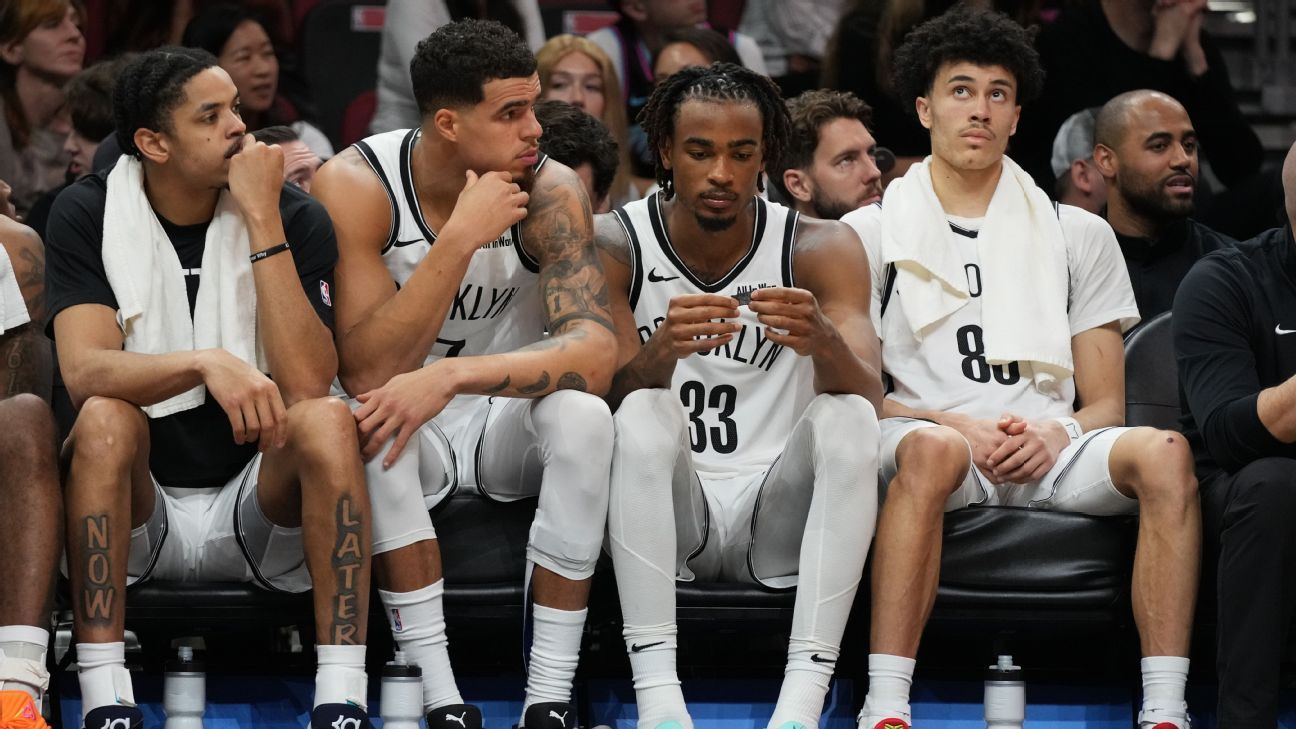
The National Basketball Association (NBA) has introduced a groundbreaking new draft lottery system for the upcoming season, a direct response to the "tanktastic" 2025-26 campaign where numerous teams seemingly prioritized losing to secure better draft odds. This significant overhaul aims to reshape team incentives and behaviors, moving away from strategies that previously allowed teams to benefit by strategically underperforming.
The new lottery setup incorporates several key features designed to deter tanking. Firstly, teams with the fourth- through 10th-worst records will now have flat lottery odds, creating less incentive for those in the middle of the bottom tier to fall further. Secondly, a "relegation zone" has been established for the three teams with the absolute worst records, which will face even worse odds of landing a top pick. This aims to disincentivize rock-bottom finishes. Lastly, the lottery will now draw each of the first 16 picks, a considerable expansion from the previous system which only drew the first four. These changes are expected to generate significant ripple effects, influencing not just on-court outcomes but also transactional decisions in areas like the trade and buyout markets.
One of the most anticipated consequences of these new rules is a predicted decrease in the number of blowouts. The NBA has witnessed a troubling trend in recent years, with the 2025-26 regular season setting a new record of 281 games decided by at least 20 points, representing 22% of all games. This rate has skyrocketed in the 2020s, with five of the top six seasons in terms of blowout proportion occurring since 2021. While factors like increased 3-point variance and higher offensive scoring contribute, the modern approach to late-season games, especially by tanking teams, has been identified as a primary driver. In the latter half of the 2025-26 season, particularly from February onwards, a full third of games involving the league's worst teams ended in a 20-point margin or more. With the new rules, these cellar-dwellers no longer have an incentive to lose and, conversely, might be motivated to win to avoid the relegation zone, thereby reducing the late-season spike in blowouts and potentially making even the league's best teams appear less dominant against genuinely competitive opposition.
Despite initial thoughts that scoring might decrease due to the elimination of uncompetitive defenses, the overall offensive environment is expected to remain relatively unchanged. Last season highlighted that the NBA's bottom-tier teams were equally poor on both ends of the court. The nine worst defenses belonged to teams that lost 50-plus games, with the Wizards, Jazz, and Kings — all losing 60+ games — recording the three highest defensive ratings in NBA history. However, these same teams also featured among the worst offenses, with the Nets, Wizards, and Pacers having the three lowest offensive ratings. This suggests that the act of "not trying to win" rendered teams ineffective across the board. Therefore, compelling these teams to genuinely compete should have a neutral impact on league-wide offensive totals, as improvements in defense will likely be offset by improvements in offense.
The new lottery system is also projected to lead to more compressed standings across the league. In previous seasons, as some teams aggressively pursued losses for lottery advantage, their playoff-aspiring opponents benefited from numerous "free" wins. This phenomenon contributed to a record 19 teams finishing with winning records last season. Many teams, such as the Trail Blazers (who went 16-2 against bottom-feeders) and the 76ers (17-1 against tankers), crossed the .500 mark primarily by dominating non-contending teams. The Clippers, Hornets, Suns, Heat, Hawks, Magic, and Raptors also leveraged these easy wins to achieve winning records. While competitive disparities will always exist, the extreme gaps should diminish. Even if the bottom six teams had each secured just five additional wins last season, it would have translated to 30 fewer wins for teams in the middle and top of the standings, suggesting a greater number of teams will likely find themselves in the competitive middle ground that was sparsely populated last season (e.g., the 37-45 Warriors were the only team between 32 and 43 wins).
Furthermore, fans can anticipate more familiar late-season rosters. In the past, teams attempting to tank often resorted to benching star players and featuring unproven, anonymous talent on short-term contracts in the final months of the season. The 2025-26 season saw this practice reach an extreme, with numerous players on 10-day or two-way contracts leading their teams in minutes during April for squads like the Jazz, Grizzlies, Pacers, and Nets. Under the revised lottery structure, the incentive for such "roster shenanigans" to incrementally improve draft odds is significantly diminished. While teams might still opt to increase playing time for genuine prospects in March and April for developmental purposes, this shift will be more subtle and involve actual future talent rather than transient, fringe NBA players. This change will ultimately benefit fans by providing a more consistent and recognizable product on the court, even if it reduces opportunities for certain unheralded players.
However, despite the NBA's diligent efforts, the new system is not expected to be a perfect panacea, and some teams may still find reasons not to prioritize winning every game. This anomaly primarily concerns teams that do not control their own 2027 first-round selections. For example, the Clippers (owing their pick via swap to the Thunder), the Bucks (to the Pelicans or Hawks), and the Nets (via swap to the Rockets) would lack a strong motivation to escape the relegation zone if they find themselves at the bottom of the standings. In fact, a non-playoff team without its own pick might paradoxically be incentivized to remain in the relegation zone. New rules also prohibit teams from winning back-to-back lotteries or securing a top-five pick for three consecutive drafts, which could encourage complex "double-reverse tanking" strategies. For instance, if the Nets, without their own 2027 pick, aim for the relegation zone, their lower odds of winning the top pick this season could potentially benefit them in future lotteries when they do control their selections. While such intricate motivations may not be widespread, they highlight the persistent challenge of fully eradicating tanking behaviors.
In conclusion, the NBA's new draft lottery system represents a significant step towards fostering greater competitiveness and more engaging basketball during the crucial late stages of the season. While it addresses many of the incentives that fueled past tanking practices, the league acknowledges that it may not be a flawless solution from day one, with some complex scenarios still allowing for strategic non-winning.